Metabolic Adaptation
Dieting decreases RMR, making the body burn fewer calories at rest, complicating long-term maintenance.
May 08
Are you aware of the hidden science behind why weight regain occurs after dieting? Understanding this can significantly change your approach to health and wellness.
Understanding the science behind weight loss and regain can empower you to make informed decisions on your wellness journey. The visual below highlights the core mechanisms driving weight regain and effective strategies to prevent it. For more insights into how your mindset influences your weight management journey, read our article on Mindset Matters in Weight Loss.
Dieting decreases RMR, making the body burn fewer calories at rest, complicating long-term maintenance.
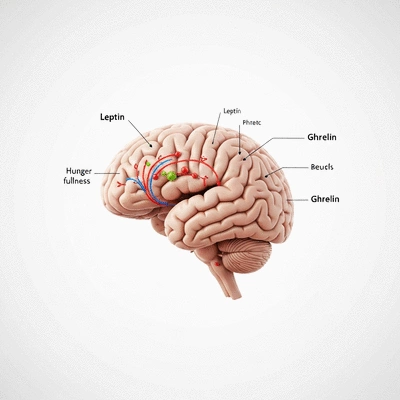
Leptin (fullness) drops, Ghrelin (hunger) increases post-diet, driving increased appetite.
Body defends a natural weight range, influenced by genetics and environment.
Strength training, HIIT, and cardio boost metabolism and calorie burn.
Behavioral therapy, goal-setting, and mindful eating control cravings and portions.
Fiber, probiotics, prebiotics, high-protein, and low-GI diets support metabolism and fullness.
Let's dive into a topic that many of us grapple with: the cycle of weight loss and regain. Understanding the science behind this phenomenon can empower you to make informed decisions on your wellness journey. At Fairfax Fitness, we believe that knowledge is a crucial step toward sustainable health. So, what really happens to your body when you go on a diet?
When you start a diet, your body undergoes various physiological changes. Primarily, your body begins to burn stored fat for energy, leading to weight loss. However, this process isn't as straightforward as it seems! Understanding the underlying mechanisms can help you navigate your dieting journey more effectively.
Your metabolism is like the engine that powers your body. It's responsible for converting the food you eat into energy. When you reduce your caloric intake, your body starts to use its energy reserves—this is where fat loss comes in. But here's the kicker: your metabolism can slow down during this process. This is a common reason why many people find it challenging to maintain their weight loss.
It's essential to remember that while calorie restriction can lead to weight loss, it can also trigger these metabolic changes that complicate long-term results. That's why at Fairfax Fitness, we emphasize sustainable habits over extreme dieting, for instance, by encouraging a balanced intake of Understanding Macronutrients: A Beginner's Guide.
After a dieting phase, many people experience weight regain. It's important to understand the core mechanisms that contribute to this. By addressing these factors, you can better navigate your weight management journey.
When you lose weight, your body doesn't just lose fat; it adapts to the new weight. This can lead to a slower metabolism, making it challenging to maintain weight loss. Your body is essentially trying to conserve energy, which is a survival mechanism. This means that even if you're eating as you did during your diet, your body may not respond in the same way!
Dieting can significantly affect your hormones, particularly those that regulate hunger. Understanding how these hormones work can be a game-changer for weight management.
These hormonal shifts can create a perfect storm for weight regain, highlighting the importance of a balanced approach to dieting. At Fairfax Fitness, we aim to help you find strategies to manage these changes effectively.
Your gut also plays a role in weight regulation. Hormones like PYY and GLP-1 help regulate appetite and food intake. When dieting, these hormones can also be affected, further complicating hunger signals. It's crucial to understand these factors as they contribute to weight regain after dieting.
Have you ever felt like your body has a "set point" for your weight? This idea is backed by science! Set point theory suggests that your body has a natural weight range it strives to maintain, influenced by genetics and environment. Let's explore how this works.
Recognizing the balance between nature and nurture can help you set realistic expectations for your weight journey.
From an evolutionary standpoint, our bodies evolved to store energy efficiently, making us prone to weight regain after dieting. This perspective can give us insights into why managing weight can feel like an uphill battle. It’s not just about willpower; it's about understanding our biology!
Long-term studies, such as those following contestants from "The Biggest Loser," highlight significant insights into weight maintenance. Let's break down some of the key findings.
Contestants often experienced a dramatic metabolic slowdown, demonstrating that significant weight loss can lead to lasting changes in metabolism. This is a crucial piece of information as we think about our fitness goals!
It's essential to approach weight loss with a mindset that considers these long-term implications. At Fairfax Fitness, we advocate for methods that promote ongoing balance and health.
Many people experience yo-yo dieting, where they cycle between losing and regaining weight. This pattern can have various impacts on your body that are worth understanding.
Recognizing this pattern is important as it can influence your approach to achieving lasting weight management.
Repeated cycles of weight loss and regain can lead to increased health risks, including metabolic issues and psychological stress. Understanding these risks can empower you to make healthier choices moving forward.
Yo-yo dieting may negatively impact your metabolism, making it harder to lose weight with each subsequent attempt. This highlights the importance of focusing on sustainable lifestyle changes rather than quick fixes.
The psychological toll of yo-yo dieting can lead to feelings of frustration and defeat. It’s crucial to develop a compassionate mindset throughout your journey. Remember, health is a marathon, not a sprint!
When you restrict calories, your body undergoes metabolic adaptation, slowing down your Resting Metabolic Rate (RMR) to conserve energy. This means your body needs fewer calories to maintain basic functions, making it harder to sustain weight loss.
Dieting can cause a drop in leptin (the fullness hormone) and an increase in ghrelin (the hunger hormone). These hormonal shifts lead to increased appetite and cravings, making it challenging to maintain a calorie deficit.
Set Point Theory suggests that your body has a genetically and environmentally influenced natural weight range it tries to maintain. When you diet and lose weight below this range, your body actively works to return to its set point, often leading to weight regain.
Repeated cycles of weight loss and regain can lead to increased health risks, including metabolic issues, psychological stress, and a negative impact on overall metabolism, potentially making future weight loss more difficult.
Exercise, especially strength training and HIIT, helps boost your metabolism and build muscle, which burns more calories at rest. A sustainable fitness plan helps maintain muscle mass and supports a higher Resting Metabolic Rate, counteracting metabolic slowdown.
Finally, the type of diet you choose can influence your ability to maintain weight loss. Let's consider what research says about different dietary approaches.
Choosing the right diet plan for your lifestyle can make a significant difference in your long-term success!
There are many dietary strategies that can support sustainable weight loss. By exploring different options, you can find what works best for you and your unique needs.
At Fairfax Fitness, we encourage a holistic approach to nutrition, focusing on balance rather than restriction. For further reading on nutritional balance, explore our guide on Eat More Vegetables Every Day. Remember, your health journey is a personal one, and finding what works for you is key!
Have you ever struggled with maintaining weight after a diet? We'd love to hear about your experience! Share your thoughts:
We’ve all heard the saying, “What goes up must come down,” but when it comes to weight, that can feel more like a roller coaster ride! After working hard to lose weight, the last thing we want is to see it creeping back on. At Fairfax Fitness, we believe that understanding how to maintain your progress is just as important as the weight loss itself. Let's explore some effective strategies to prevent weight regain after dieting.
Exercise plays a crucial role in maintaining weight loss by elevating your metabolism and enhancing your mood! Regular physical activity not only helps you burn calories but also boosts your overall energy levels. Here are some exercise types that support metabolism:
Creating a sustainable fitness plan is essential for long-term results. Focus on what you enjoy, whether it’s dancing, hiking, or even group classes at your local gym. Remember, the key is finding activities you can stick to in the long run!
Your fitness plan should be realistic and flexible. Here are a few tips to help you build one:
Also, don't forget the importance of physical activity in achieving energy balance. Even short bursts of activity throughout your day—like taking the stairs or going for a walk during lunch—can accumulate and make a difference!
In recent years, medications like GLP-1 agonists have become popular for weight maintenance. These can significantly help those who struggle with regaining weight after dieting. However, support doesn’t stop there! Psychological support is equally vital in weight management. Let’s delve into both:
Medications can assist by helping control appetite and reducing cravings. If you're considering them, consult with a healthcare professional to explore your options. Alongside medication, behavioral therapy techniques can empower you to make lasting changes!
Staying mentally strong during your weight loss journey is crucial. Engaging with a therapist or support group can provide the emotional tools needed to navigate challenges. This support can often be the difference between continuing to make progress and falling back into old habits.
Incorporating behavioral therapy techniques can enhance your weight maintenance efforts. Here are some strategies to consider:
Did you know that the health of your gut can impact your weight regulation? A healthy gut microbiome is essential for digestion, metabolism, and even your mental well-being! Ensuring you nurture your gut is a vital part of weight maintenance. You can learn more about its broader impact in our article on Gut Health's Role in Immunity.
Research suggests that a diverse gut microbiome can help with weight control by affecting how we absorb nutrients. Including more fiber-rich foods, like fruits and vegetables, can support a thriving microbiome. Remember, a healthy gut leads to a healthier you!
One of the most effective ways to maintain your weight is through mindful eating. This approach encourages you to pay attention to your hunger cues and enjoy your food without distractions!
Start by creating a calm eating environment, free from distractions like TV or smartphones. Take time to savor each bite, and notice the flavors and textures. This helps you become more aware of what you're eating and can prevent overeating.
Many of us turn to food for comfort during stressful times. Here are a few strategies to help you combat emotional eating:
Incorporating these strategies into your daily routine can create a solid foundation for ongoing success. Remember, achieving and maintaining a healthy weight is a journey! By focusing on these aspects, you’re not just aiming for a number on the scale but embracing a healthier lifestyle overall.
Here is a quick recap of the important points discussed in the article:
I'm Jordan H. Emerson, a dedicated health and fitness enthusiast passionate about empowering individuals on their wellness journeys. With a background in health sciences and years of personal training experience, I share actionable insights and trusted advice to help you achieve your health goals and build sustainable habits. My goal is to empower you with the knowledge and tools you need to foster lasting wellness and mental clarity.