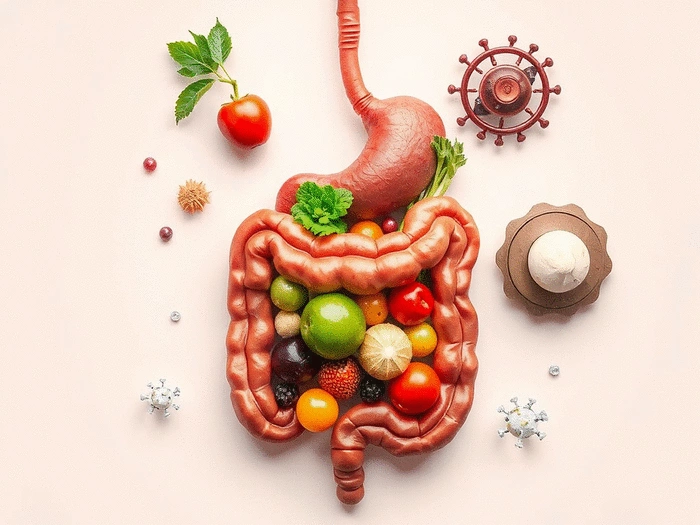
Immune Cells in the Gut
70-80%
of immune cells reside in the gut
- • Crucial for overall immunity
- • Supports natural defenses
STATISTIC
Apr 22
Did you know that approximately 70-80% of your immune cells reside in your gut? This astonishing fact highlights the critical link between gut health and immune function, setting the stage for a deeper understanding of how we can support our bodies through dietary choices.
Understanding how essential gut health is to a robust immune system.
70-80%
of immune cells reside in the gut
Barrier Function
Regulates Immune Cells (Tregs)
Anti-inflammatory Effects
Gut-Brain Axis
Enhanced Pathogen Resistance
Broader Immune Responses
Long-term Health Benefits
Have you ever wondered how your gut health affects your immune system? It's fascinating to learn that the gut microbiome plays a vital role in our overall immunity. In fact, approximately 70-80% of our immune cells reside in the gut! This means that taking care of our gut is crucial for maintaining a robust immune response and overall health.
The gut microbiome is a complex ecosystem of bacteria, viruses, fungi, and other microorganisms that live in our digestive tract. They not only help us digest food but also regulate our immune system and protect us from harmful pathogens. By fostering a balanced gut microbiome, we can support our body’s natural defenses against illness and disease, paving the way for strategies for lasting happiness and well-being.
The gut microbiome's influence on immunity is multifaceted. It interacts with various immune cells, modulating their activity and helping to maintain a balanced immune response. Here are some key roles it plays:
As I dive deeper into this topic, I often find myself thinking about the simplicity of making small dietary changes to enhance gut health. What if adding just a few more fiber-rich foods could make a difference? It's a powerful reminder that our choices play a crucial role in our health journey!
Now, let’s explore some mechanisms that connect gut health to immune function. One significant pathway involves regulatory T cells, or Tregs, which help maintain tolerance to harmless substances while responding to pathogens. A balanced gut microbiome encourages the development of Tregs, promoting a healthy immune response!
This biological interplay is a reminder that what we eat doesn’t just affect our waistline; it has profound implications for how our body functions on a cellular level. Isn't it amazing how interconnected our systems are?
A diverse gut microbiome is key to a robust immune response. When our gut bacteria are varied, our immune system is more adaptable and capable of responding to different pathogens effectively. Here are a few reasons why diversity matters:
When I consider the importance of microbial diversity, I often reflect on my own habits. Implementing a variety of foods—such as fruits, vegetables, nuts, and seeds—has not only been enriching for my gut but has also provided a sense of excitement in my meals! This approach aligns well with understanding macronutrients: a beginner's guide, emphasizing a balanced and varied diet.
Understanding the gut-immune connection is vital, but what happens when this balance is disrupted? Dysbiosis, or an imbalance in the gut microbiome, can lead to various health issues, particularly regarding our immune systems.
To enhance your gut health, consider incorporating a variety of prebiotic and probiotic foods into your diet. Foods like garlic, onions, and asparagus serve as prebiotics, while yogurt, sauerkraut, and kombucha provide beneficial probiotics. This combination can foster a diverse gut microbiome, ultimately boosting your immune function!
It's clear that maintaining gut health is pivotal for enhancing our immune responses and overall well-being. The gut microbiome plays a crucial role in housing a significant portion of our immune cells, reinforcing our body's defenses against infections and diseases. By promoting a balanced gut microbiome, we can improve our immune resilience, leading to healthier outcomes.
In our journey at Fairfax Fitness, we emphasize how essential it is to recognize the connection between gut health and immunity. By nurturing this relationship, we can empower our bodies to respond more effectively to challenges, enhancing not only our physical health but also our mental clarity.
Ultimately, understanding and supporting our gut health can lead to profound improvements in our immune function and overall quality of life!
Now that we've explored the significance of gut health, it's time to take action! Start by adopting healthy dietary practices that can support your gut microbiome. Consider incorporating more fiber-rich foods and fermented products into your meals—these can work wonders for your digestive health!
Here are some actionable steps to get started:
Remember, small changes can lead to significant improvements over time. At Fairfax Fitness, we believe every step counts on your wellness journey. Taking these initial actions can help you cultivate a gut-friendly environment that supports your immune system!
The connection between mental health and gut health is fascinating, and it's often referred to as the gut-brain axis. This two-way communication system between our gut and brain influences not only our mood but also our immune responses. Stress can have a profound effect on our gut microbiome, leading to imbalances that might compromise our immune system.
As we delve deeper into this relationship, it's crucial to consider how managing stress and promoting a healthy mindset can positively impact our gut health. By integrating relaxation techniques like mindfulness or meditation, we can help maintain our gut microbiome's balance, ultimately supporting a stronger immune response. These techniques are vital for overall wellness, much like practical stress management techniques can improve daily life.
At Fairfax Fitness, we are dedicated to empowering you to take charge of your health journey. Understanding the gut-brain connection is just one more piece of the puzzle in achieving lasting wellness!
Here is a quick recap of the important points discussed in the article:
I'm Jordan H. Emerson, a dedicated health and fitness enthusiast passionate about empowering individuals on their wellness journeys. With a background in health sciences and years of personal training experience, I share actionable insights and trusted advice to help you achieve your health goals and build sustainable habits. My goal is to empower you with the knowledge and tools you need to foster lasting wellness and mental clarity.