May 07
Eat More Vegetables Every Day
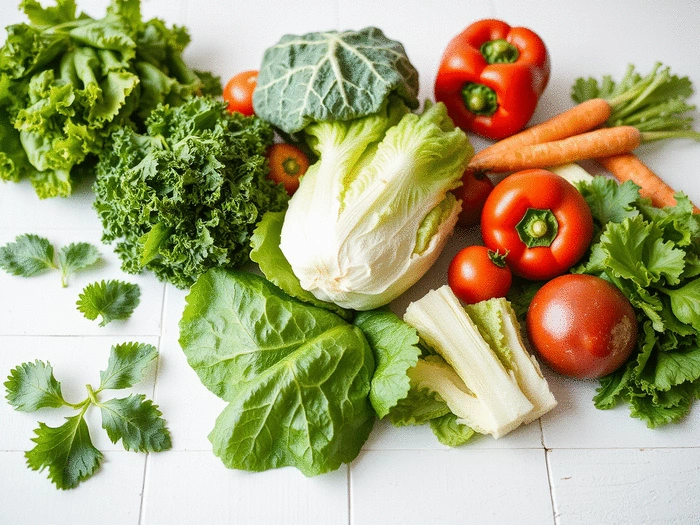
Are you aware that increasing your vegetable intake could be one of the simplest yet most impactful changes you can make for your health? The journey towards better nutrition starts with understanding the significance of vegetables in our daily diet. Here’s what you can learn about integrating more veggies into your life.
What You Will Learn
- Eating more vegetables reduces the risk of chronic diseases and supports immune function.
- Nutrient density in vegetables means you gain essential vitamins without excessive calories.
- Common barriers to increasing vegetable intake include time constraints, aversion, and lack of variety.
- Practical strategies like meal planning and tracking can help you build sustainable habits around vegetable consumption.
- Pairing vegetables with plant-based proteins enhances satisfaction and nutrition in meals.
Boosting Your Daily Vegetable Intake: Key Areas & Benefits
Understanding the impact of vegetables on health involves looking at their benefits, nutrient density, and common consumption challenges. Fairfax Fitness outlines these areas to help you integrate more vegetables into your daily routine. For more information on maintaining a balanced diet, consider understanding macronutrients.
Health Benefits
- ✓Heart Health: Lower blood pressure & cholesterol.
- ✓Weight Management: High fiber, low calories.
- ✓Digestive Health: Promotes healthy digestion.
Nutrient Density
Amount of essential nutrients relative to calorie content.
- ★Spinach: High in iron & calcium.
- ★Kale: Packed with antioxidants & vitamins.
- ★Broccoli: Contains anti-inflammatory properties.
Common Challenges
Hurdles in increasing vegetable intake.
- ×Time Constraints: Busy schedules.
- ×Veggie Aversion: Dislike of taste or texture.
- ×Lack of Variety: Eating the same vegetables.
Boosting Your Daily Vegetable Intake: Why It Matters
Have you ever considered how increasing your vegetable intake can significantly impact your health? At Fairfax Fitness, we believe that a diet rich in vegetables is a cornerstone of wellness. Eating more vegetables not only supplies essential nutrients but also enhances your overall vitality. In this section, we’ll explore the health benefits, the importance of nutrient density, and the common challenges faced when trying to eat more vegetables.
Understanding the Health Benefits of Eating More Vegetables
Vegetables are packed with vitamins, minerals, and antioxidants that can improve your health in numerous ways. For instance, they can help reduce the risk of chronic diseases, support your immune system, and improve digestion. Plus, many vegetables are low in calories, making them an excellent choice for those looking to manage their weight.
- Heart Health: Regular vegetable consumption can lower blood pressure and cholesterol levels.
- Weight Management: High fiber content helps you feel full longer, reducing overall calorie intake.
- Digestive Health: Vegetables provide essential fiber that promotes healthy digestion.
Incorporating a variety of vegetables into your diet can lead to improved energy levels and a better mood. Remember, every little bit counts—so don't be afraid to start small! For more on improving your cardiovascular health, explore heart disease prevention through lifestyle changes.
The Role of Nutrient Density in Vegetables and Overall Health
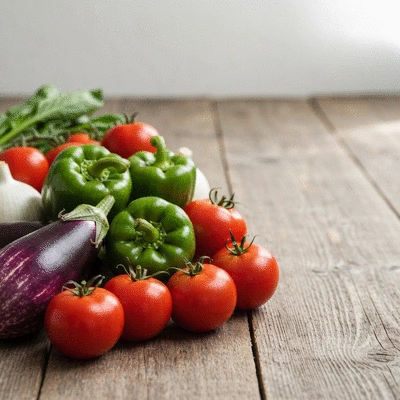
Nutrient density refers to the amount of essential nutrients in a food item relative to its calorie content. Vegetables are among the most nutrient-dense foods available, which means you can get a lot of health benefits without adding excessive calories to your diet. For instance, leafy greens like spinach and kale are rich in vitamins A, C, and K, yet low in calories.
- Spinach: High in iron and calcium
- Kale: Packed with antioxidants and vitamins
- Broccoli: Contains anti-inflammatory properties
By filling your plate with a variety of nutrient-dense vegetables, you not only nourish your body but also support weight maintenance and overall wellness. It's a simple yet effective way to enhance your quality of life!
Common Challenges in Increasing Vegetable Consumption
We all face challenges when trying to increase our vegetable intake. Many people often cite time constraints, lack of knowledge on preparation, or even a dislike for certain vegetables as barriers. It's essential to acknowledge these hurdles so we can find solutions together!
- Time Constraints: Busy schedules can make meal prep challenging.
- Vegetable Aversion: Some individuals may not enjoy the taste or texture of certain veggies.
- Lack of Variety: Eating the same vegetables can lead to boredom and reduced intake.
By understanding these challenges, we at Fairfax Fitness can develop practical strategies to overcome them, ensuring that incorporating more vegetables becomes a seamless part of your daily routine. Let's dive into practical tips next!
Pro Tip
Did you know? Adding herbs and spices to your vegetables not only enhances flavor but also boosts their nutritional value. For example, herbs like basil and cilantro can complement dishes while providing additional antioxidants, making your meals both healthier and tastier!
Taking the Next Step: Integrating Vegetables into Your Lifestyle
Are you ready to make vegetables a regular part of your routine? Integrating more veggies into your meals doesn’t have to feel overwhelming. With a few simple strategies, you can develop long-term habits that will not only enhance your nutrition but also make eating vegetables enjoyable! Let’s explore some effective ways to help you keep track of your progress and ensure you’re on the right path.
One of the best things you can do is start tracking your vegetable intake. Keeping a food journal or using an app can help you visualize your habits. This way, you can celebrate small wins and identify areas for improvement. Remember, tracking doesn’t have to be tedious; it can be an engaging part of your wellness journey!

Simple Strategies for Long-Term Habits: Tracking and Progress
Building sustainable habits takes time, but there are practical approaches that can make it easier:
- Set achievable goals for your weekly vegetable intake.
- Try creating a colorful chart to visually track your veggie consumption.
- Join a buddy system with a friend or family member to stay accountable.
- Experiment with different veggies each week to keep things interesting!
These strategies not only keep you engaged but also provide a sense of accomplishment as you work towards a healthier lifestyle. Keep in mind that it’s okay to have ups and downs—what matters is that you keep moving forward! For tips on staying motivated, check out how mindset matters in weight loss.
Creating Your Personalized Meal Plan: Building a Sustainable Veggie Routine
Now that you have some strategies in place, let’s talk about creating a personalized meal plan. This is a game-changer when it comes to integrating vegetables into your diet. Start by identifying your favorite vegetables and think about how you can incorporate them into your meals:
- Plan meals around seasonal vegetables for freshness and variety.
- Include at least one vegetable in every meal—breakfast, lunch, and dinner.
- Batch cook veggie-based dishes to save time during busy weeks.
- Experiment with recipes that highlight vegetables as the star, such as stir-fries and salads.
By building meals around vegetables, you'll not only enhance your nutrition but also discover new flavors and textures that excite your palate. I often find that mixing different vegetables can create delightful combinations that make healthy eating something to look forward to!
Incorporating Plant-Based Protein Sources into Your Diet
Another great way to enhance your vegetable intake is by pairing them with plant-based protein sources. This not only adds nutritional variety but also keeps you feeling satisfied. Consider these options:
- Chickpeas or lentils in salads, soups, or stews.
- Tofu or tempeh added to stir-fries or grilled alongside veggies.
- Nuts and seeds sprinkled on top of vegetable dishes for crunch and nutrition.
As you explore these combinations, you’ll find that making vegetables a staple part of your diet can be both nutritious and delicious. Remember that every small step counts towards a healthier you!
Frequently Asked Questions About Increasing Vegetable Intake
Why is increasing vegetable intake important for my health?
Increasing your vegetable intake is crucial because vegetables are packed with vitamins, minerals, antioxidants, and fiber. They help reduce the risk of chronic diseases, support immune function, aid in weight management, and promote healthy digestion without adding excessive calories.
What does "nutrient density" mean in the context of vegetables?
Nutrient density refers to the amount of essential nutrients (like vitamins, minerals, and antioxidants) a food contains relative to its calorie content. Vegetables are highly nutrient-dense, meaning you get a significant amount of beneficial nutrients for a relatively low number of calories.
What are common barriers to eating more vegetables?
Common barriers include time constraints for meal prep, a dislike of certain vegetable tastes or textures (aversion), and a lack of variety in vegetable choices, leading to boredom.
How can I overcome challenges like time constraints when trying to eat more vegetables?
You can overcome time constraints by planning meals in advance, batch cooking vegetable-based dishes, and choosing quick-prep vegetables. Experimenting with different cooking methods can also make preparation more efficient and enjoyable.
How can tracking my vegetable intake help me build healthy habits?
Tracking your vegetable intake, whether through a food journal or an app, helps you visualize your consumption habits, set achievable goals, and identify areas for improvement. It provides a sense of accomplishment and keeps you engaged in your wellness journey.
What are some good plant-based protein sources to pair with vegetables?
Excellent plant-based protein sources to pair with vegetables include chickpeas, lentils, tofu, tempeh, beans, and various nuts and seeds. These additions enhance the nutritional value of your meals and increase satiety.
Recap of Key Points
Here is a quick recap of the important points discussed in the article:
- Health Benefits: Increasing vegetable intake supports heart health, aids in weight management, and promotes digestive health.
- Nutrient Density: Vegetables are nutrient-dense, providing essential vitamins and minerals with low calorie content.
- Overcoming Challenges: Acknowledge common barriers like time constraints and vegetable aversion to develop effective strategies.
- Tracking Progress: Use tools like food journals or apps to track vegetable intake and celebrate small victories.
- Meal Planning: Create personalized meal plans that incorporate a variety of vegetables to enhance flavor and nutrition.
- Plant-Based Proteins: Pair vegetables with plant-based proteins to enrich meals and increase satisfaction.
About Me

Welcome to Fairfax Fitness!
I'm Jordan H. Emerson, a dedicated health and fitness enthusiast passionate about empowering individuals on their wellness journeys. With a background in health sciences and years of personal training experience, I share actionable insights and trusted advice to help you achieve your health goals and build sustainable habits. My goal is to empower you with the knowledge and tools you need to foster lasting wellness and mental clarity.
Recent Posts

Effective Strategies for Weight Maintenance
2026-10-08
Nurturing Your Health Goals Together
2026-10-07