
What are Healthy Fats?
Primarily unsaturated fats (mono- & polyunsaturated) that are crucial for overall health.
- ✓ Improve heart health
- ✓ Enhance brain function
- ✓ Aid nutrient absorption
Jun 22
Curious about how to enhance your diet for better health? The role of healthy fats is often underestimated, yet they are vital for our well-being. Let’s dive into what makes these fats essential!
This visual outlines the key distinctions between healthy and unhealthy fats, highlighting their impact on health and practical tips for dietary integration.
Primarily unsaturated fats (mono- & polyunsaturated) that are crucial for overall health.
Improve heart health & reduce inflammation.
Consume in moderation; excessive intake raises cholesterol.
Raise bad cholesterol & lower good cholesterol.
When it comes to nutrition, fats often get a bad rap. However, at Fairfax Fitness, we believe that understanding macronutrients like healthy fats is crucial to fostering a balanced diet. Healthy fats play an essential role in our bodies, supporting everything from brain function to hormone production. They are not just a source of energy; they are fundamental to our overall health and well-being!
So, what exactly are healthy fats, and why do they matter? Healthy fats, primarily composed of unsaturated fats, help reduce the risk of heart disease, lower cholesterol levels, and contribute to healthy brain function. Incorporating these fats into your diet can lead to better health outcomes and overall vitality.
Healthy fats are found in a variety of foods, and they are classified as unsaturated fats, which include mono- and polyunsaturated fats. These fats are beneficial because they assist in nutrient absorption, help maintain cell integrity, and provide essential fatty acids that our bodies cannot produce on their own. Some key benefits of healthy fats include:
At Fairfax Fitness, we emphasize that not all fats are created equal. Understanding the difference between healthy fats and unhealthy ones can empower you to make better food choices.
Let’s break down the different types of fats you might encounter in your diet. Generally, fats can be categorized into three main types: unsaturated, saturated, and trans fats. Each type has different health implications, so here’s a quick overview:
Incorporating more unsaturated fats into your diet is a simple way to support your health. At Fairfax Fitness, we encourage you to choose whole foods over processed options to make the best dietary choices for your wellness journey!
To maximize the benefits of healthy fats in your diet, consider incorporating a variety of sources. For instance, mix nuts into your snacks, drizzle olive oil over your salads, and enjoy fatty fish like salmon a couple of times a week. This diversity not only enhances flavor but also ensures you receive a wide range of essential fatty acids!
A: Healthy fats are primarily unsaturated fats (mono- and polyunsaturated) that are crucial for overall health. They improve heart health, enhance brain function, and aid in nutrient absorption.
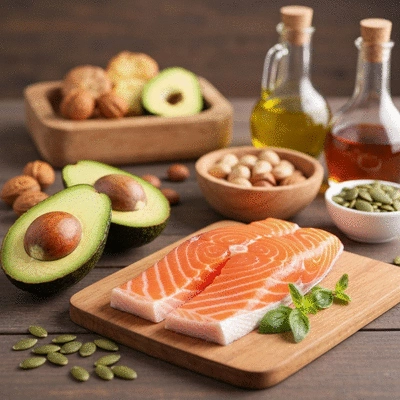
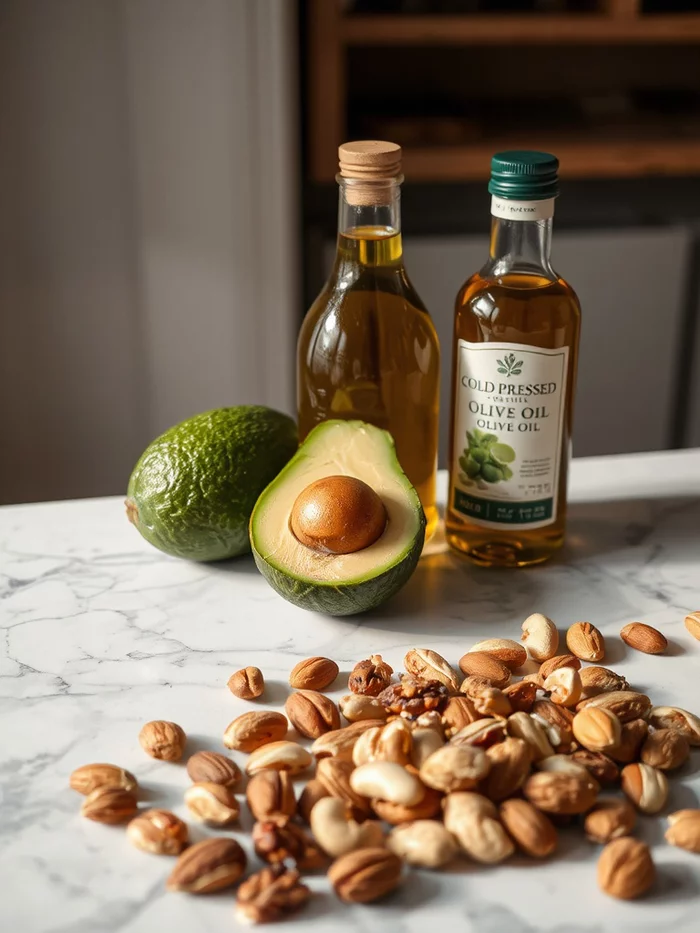
A: Excellent sources of healthy fats include avocados, nuts (like almonds, walnuts), seeds, olive oil, and fatty fish such as salmon and mackerel.
A: Unsaturated fats are considered healthy and are found in plant-based sources, improving heart health. Saturated fats are found in animal products and tropical oils; they should be consumed in moderation as excessive intake can raise cholesterol.
A: Trans fats should be avoided entirely. They are often found in processed foods and margarine and can raise bad cholesterol while lowering good cholesterol.
A: Simple ways include adding nuts to oatmeal or yogurt, slicing avocado into salads or sandwiches, and using olive or avocado oil for cooking and dressings. The Mediterranean diet is also a great framework for incorporating healthy fats.
As we conclude our exploration of healthy fats, it’s essential to recognize their significance in a balanced diet. Healthy fats are not just a source of energy; they play a crucial role in supporting our overall wellness. Including sources like avocados, nuts, and healthy oils can enhance both your physical health and your enjoyment of food!
Here are the key takeaways about incorporating healthy fats into your diet:
Remember, making informed choices about the types of fats you consume can have a lasting impact on your well-being. From enhancing meals with creamy avocado to snacking on a handful of nuts, each small step can lead to significant health benefits!
Ready to take the plunge into integrating healthy fats into your meals? Start by making small adjustments that fit comfortably into your lifestyle! Here are some practical tips:
Every little change counts! As you gradually swap in these healthy fats, you’ll likely find your meals more satisfying and delicious.
If you’re eager to learn more about healthy cooking and eating, Fairfax Fitness is here to support you on your journey! Check out our beginner-friendly resources that cover:
At Fairfax Fitness, we aim to empower you with knowledge, helping you make choices that lead to a healthier lifestyle.
The Mediterranean diet is a fantastic example of how healthy fats can be woven into a delicious and balanced eating pattern. This dietary approach emphasizes foods rich in healthy fats, such as olives, fish, and nuts, while also incorporating plenty of fruits, vegetables, and whole grains.
Key elements of the Mediterranean diet include:
By embracing the principles of the Mediterranean diet for heart health, you can enjoy not only the health benefits that come from healthy fats but also a wide variety of flavors and meals that are both satisfying and nourishing!
Here is a quick recap of the important points discussed in the article:
I'm Jordan H. Emerson, a dedicated health and fitness enthusiast passionate about empowering individuals on their wellness journeys. With a background in health sciences and years of personal training experience, I share actionable insights and trusted advice to help you achieve your health goals and build sustainable habits. My goal is to empower you with the knowledge and tools you need to foster lasting wellness and mental clarity.