What is Chronic Inflammation?
- •Persistent pain or discomfort
- •Fatigue
- •Digestive issues
- •Skin problems
Mar 28
What if addressing a silent yet significant health issue could transform your well-being? Chronic inflammation plays a crucial role in many diseases, and understanding it is the first step towards a healthier life.
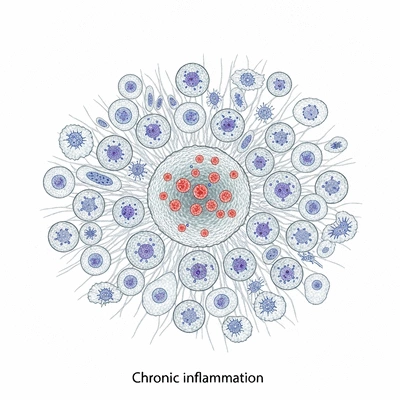
Chronic inflammation, often subtle, plays a critical role in the development and progression of numerous chronic diseases. The visual below highlights key aspects of this pervasive health issue, from its core mechanisms to the diseases it fuels and the biomarkers used to detect it. Understanding these connections is vital for effective heart disease prevention and overall health management.
Chronic inflammation is more than just a buzzword; it’s a significant contributor to many diseases that affect our health. Understanding what chronic inflammation is and how it impacts our bodies can help you take proactive steps toward a healthier lifestyle. It's an essential part of our immune response, but when it becomes persistent, it can lead to serious health issues.
In essence, chronic inflammation occurs when the body’s immune system remains activated for an extended period. This state can result from various factors, including lifestyle choices and environmental influences. As we dive deeper into this topic, you'll see how essential it is to manage and reduce inflammation for overall wellness.
To put it simply, chronic inflammation is a long-term immune response that can last for months or even years. Unlike acute inflammation, which is a short-term response to injury or infection, chronic inflammation signals an ongoing issue. Common causes include autoimmune diseases, long-term exposure to irritants, and even chronic infections.
These symptoms can be subtle but often indicate that your body is struggling with persistent inflammation. Addressing this early can help you avoid more serious health complications down the line.
Chronic inflammation can be a catalyst for various chronic diseases, including heart disease, diabetes, and even cancer. Understanding the mechanisms at play can empower you to make lifestyle changes that mitigate these risks. The body’s inflammatory response involves numerous cells and signaling molecules, which, when dysregulated, can lead to tissue damage.
When these processes are left unchecked, they can contribute to a cycle of chronic disease. This is why managing inflammation is vital not just for feeling good, but for preventing long-term health issues. Learning to manage your body's processes can also positively impact muscle recovery and overall physical well-being.
Several biomarkers can indicate chronic inflammation levels in your body. TNF-α (Tumor Necrosis Factor-alpha), IL-1β (Interleukin-1 beta), and CRP (C-reactive protein) are crucial markers that reflect inflammatory activity. Monitoring these can provide insight into your body’s inflammatory state and guide necessary lifestyle adjustments.
For example, elevated levels of CRP are linked to a higher risk of heart disease. This connection highlights the importance of regularly checking in on your health and understanding how inflammation may play a role in your well-being.
The immune system is designed to protect us, but when it turns against itself, it can lead to chronic conditions. Autoimmune diseases are prime examples, where the body’s immune response mistakenly attacks healthy tissue. Understanding this can help you recognize the signs and seek appropriate guidance.
Each of these conditions showcases how a mismanaged immune response can lead to significant health issues, reinforcing the need for a balanced immune function.
Oxidative stress is another player in the inflammation game. It results from an imbalance between free radicals and antioxidants in the body. When free radicals overwhelm the body’s defenses, they can damage cells and escalate the inflammatory response, creating a vicious cycle.
By incorporating antioxidant-rich foods into your diet, you can combat oxidative stress and help reduce inflammation. Foods like berries, leafy greens, and nuts are excellent choices to help mitigate these effects!
As we uncover the links between inflammation and various diseases, it’s clear that managing inflammation is a crucial step in promoting long-term health. In the upcoming sections, we’ll dive deeper into how inflammation is connected to specific conditions like cardiovascular disease, autoimmune diseases, and type 2 diabetes. This knowledge can also inform strategies for mindset matters in weight loss, as inflammation can impact metabolism and energy levels.
To effectively manage chronic inflammation, consider incorporating a variety of anti-inflammatory spices into your meals. Spices like turmeric, ginger, and cinnamon are known for their potent anti-inflammatory properties, which can help reduce inflammation and support overall health.
As we’ve explored throughout this article, the connection between chronic inflammation and various chronic diseases is significant. Understanding this link can empower us to take proactive steps toward better health. It’s essential to recognize that chronic inflammation doesn’t just happen overnight; it's a gradual process influenced by numerous factors in our lifestyles and environments.
In short, chronic inflammation can play a critical role in conditions such as cardiovascular disease, autoimmune disorders, and type 2 diabetes. Addressing and managing inflammation is crucial, not only for preventing chronic diseases but also for improving overall health and well-being. Focusing on this can lead to better sleep with a night routine, which is essential for reducing inflammation.
By staying informed about the effects of inflammation, we can tailor our health strategies to combat its detrimental effects. Each of these takeaways serves as a foundation for making informed decisions regarding our health.
Now that we've covered the essentials, it's time to take action! Here are a few steps you can integrate into your daily routine to help manage inflammation:
Taking these steps can significantly affect your body’s inflammatory response. Remember, even small changes can lead to big improvements over time!
I want to hear from you! Have you experienced chronic inflammation in your life? What steps have you taken to manage it? Your stories and experiences can inspire others on their wellness journey!
Feel free to share your thoughts in the comments below. At Fairfax Fitness, I am dedicated to fostering a community where we can support each other on our paths to better health. Let’s work together to understand and tackle chronic inflammation for a healthier future!
Here is a quick recap of the important points discussed in the article:
I'm Jordan H. Emerson, a dedicated health and fitness enthusiast passionate about empowering individuals on their wellness journeys. With a background in health sciences and years of personal training experience, I share actionable insights and trusted advice to help you achieve your health goals and build sustainable habits. My goal is to empower you with the knowledge and tools you need to foster lasting wellness and mental clarity.