Jul 15
Managing Anxiety Without Medication
Consider the transformative power of managing anxiety without medication. By exploring holistic techniques, you can reclaim control over your mental health.
What You Will Learn
- Recognize the various manifestations of anxiety and their impact on daily life.
- Explore effective non-pharmaceutical strategies such as breathing techniques, mindfulness, and physical activity.
- Understand the significance of lifestyle changes like sleep hygiene and balanced nutrition in managing anxiety.
- Learn the importance of open dialogue about mental health and creating a supportive community.
Non-Medical Approaches to Anxiety Management
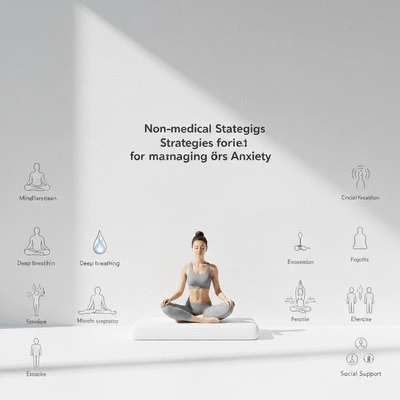
This visual summarizes key non-medical strategies for managing anxiety, categorized into immediate relief, long-term lifestyle changes, and therapeutic approaches. Understanding these strategies is an important step toward managing anxiety and depression naturally.
Immediate Relief Strategies
- ✓Breathing Techniques (4-7-8 method, diaphragmatic)
- ✓Grounding (5-4-3-2-1 method, worry time)
Long-Term Lifestyle Changes
- ✓Prioritize Sleep Hygiene
- ✓Regular Exercise
- ✓Balanced Nutrition
Therapeutic Approaches
- ✓Cognitive Behavioral Therapy (CBT)
- ✓Mindfulness Meditation
- ✓Journaling for emotional processing
Additional Support
- ✓Consult Healthcare Provider
- ✓Consider Wellness Retreats
- ✓Open Dialogue About Mental Health
Understanding Anxiety Management Without Medication
Anxiety is a common experience for many people, affecting our thoughts, feelings, and daily lives. It's essential to recognize that anxiety can manifest in various ways, from persistent worry and restlessness to physical symptoms like a racing heart. Understanding how anxiety impacts our daily routines is the first step in finding effective ways to manage it, especially without medication.
For instance, you might find yourself feeling overwhelmed in social situations, struggling to focus at work, or experiencing sudden bursts of panic. These feelings can disrupt not only your productivity but also your personal relationships. Recognizing these patterns enables us to take proactive steps toward effective anxiety management. Additionally, incorporating practical stress management techniques can further enhance your ability to cope with these challenges.
Defining Anxiety and Its Impact on Daily Life
Anxiety isn't just a fleeting feeling; it's a complex emotional state that can significantly alter how we live our lives. People often describe it as a persistent sense of dread or fear that doesn't seem to go away. This chronic anxiety can lead to avoidance behaviors, where individuals steer clear of situations that trigger their anxiety, further limiting their experiences.
- Feeling tense or restless throughout the day
- Struggling to concentrate on tasks
- Experiencing physical symptoms like headaches or stomach issues
- Withdrawing from social interactions
At Fairfax Fitness, we believe that understanding these impacts is crucial for developing effective coping strategies. Remember, you’re not alone in this journey, and taking steps towards managing anxiety can lead to a more fulfilling and balanced life.
Exploring the Desire for Non-Pharmaceutical Solutions
Many individuals seek alternatives to medication for managing anxiety, often due to concerns about side effects or a desire for a more holistic approach. The good news is that there are numerous effective, natural strategies available that can help alleviate anxiety symptoms without relying on pharmaceuticals.
- Breathing techniques to calm the mind
- Mindfulness practices that enhance self-awareness
- Physical activity to boost mood and reduce tension
- Nutrition adjustments that support mental health
At Fairfax Fitness, I encourage exploring these options and discovering what fits best for your lifestyle. Remember, the goal is to cultivate a supportive environment for yourself, where gradual changes can lead to profound improvements in your mental health. For instance, incorporating better sleep with a night routine can significantly impact your mental well-being.
We Want to Hear From You!
What non-medical strategies have you found most effective in managing your anxiety? Share your thoughts below:
Summarizing Non-Medical Approaches to Managing Anxiety
As we explore the journey of managing anxiety without medication, it's important to recap the strategies we've discussed. From breathing techniques that offer immediate relief to lifestyle changes that support long-term mental health, each method plays a pivotal role in fostering emotional well-being.
In addition, embracing grounding techniques and therapeutic approaches, like mindfulness and journaling, can significantly enhance your ability to cope with anxiety. Understanding these methods empowers you to take control of your mental health in a way that resonates with your personal journey.
Recapping Key Strategies for Immediate and Long-Term Relief
- Breathing Techniques: Utilize diaphragmatic breathing and the 4-7-8 method for instant calm.
- Grounding Techniques: Practice the 5-4-3-2-1 method and set aside worry time to confine anxious thoughts.
- Lifestyle Changes: Prioritize sleep hygiene, regular exercise, and balanced nutrition.
- Therapeutic Approaches: Engage in cognitive behavioral therapy, mindfulness meditation, and journaling.
Implementing these strategies not only helps in managing anxiety effectively but also lays the groundwork for a healthier mindset in the long run. It's about finding what works for you and making those practices a part of your daily routine!
Encouraging an Open Dialogue About Mental Health
At Fairfax Fitness, we believe that discussing mental health is just as important as physical health. By fostering an environment where sharing experiences and coping strategies is normalized, we can break down the stigma surrounding anxiety. Have you ever found it helpful to talk openly about your challenges? I certainly have, and it can be a game changer!
When we talk about our mental health, we not only lighten the load for ourselves but also offer support to others who may be struggling in silence. It’s time to create a community that champions mental wellness—let's encourage one another to speak up and seek help when needed!
Taking Action Towards Better Mental Health
How to Get Started with Your Anxiety Management Journey
Taking the first step towards managing your anxiety can feel daunting, but you can do it! Begin by integrating the techniques we've discussed into your daily routine. Start small; perhaps you can set aside just five minutes each day for breathing exercises or mindfulness. Gradually, you’ll find that these practices become second nature!
Also, don’t hesitate to reach out for support. Whether it’s a friend, family member, or a mental health professional, connecting with others can provide you with valuable resources and encouragement along the way.
Consulting Your Healthcare Provider About Non-Medical Options
As you explore non-medical options for managing anxiety, it’s wise to consult with your healthcare provider. They can help you evaluate which strategies might be effective based on your unique circumstances. Together, you can develop a comprehensive plan that encompasses both immediate and long-term solutions!
Exploring the Benefits of Wellness Retreats for Mental Health
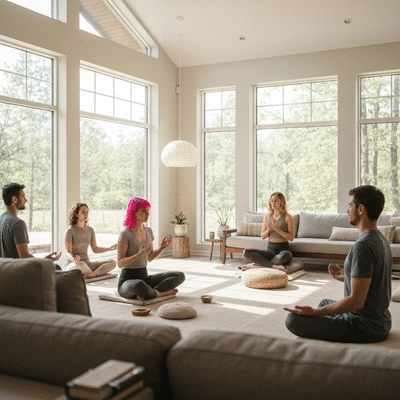
Have you ever considered a wellness retreat? These retreats offer immersive experiences that focus on relaxation, self-care, and mental clarity. Participating in one can provide you with powerful tools and techniques to manage anxiety effectively while also allowing you to disconnect from daily stressors.
- Learn new coping strategies tailored to your needs.
- Engage with like-minded individuals in a supportive environment.
- Experience activities like yoga and meditation that promote mental well-being.
Taking the leap into a wellness retreat could be just what you need to enhance your anxiety management journey and cultivate a deeper sense of peace.
Frequently Asked Questions About Non-Medical Anxiety Management
Q: What are some non-medical strategies for immediate anxiety relief?
A: Immediate relief strategies include breathing techniques like the 4-7-8 method and diaphragmatic breathing, as well as grounding techniques such as the 5-4-3-2-1 method and setting aside dedicated "worry time."
Q: How can lifestyle changes help in managing anxiety long-term?
A: Long-term lifestyle changes are crucial and include prioritizing good sleep hygiene, engaging in regular exercise, and maintaining a balanced nutrition plan. These habits support overall mental and physical health, reducing anxiety over time.
Q: What therapeutic approaches are effective for anxiety without medication?
A: Effective therapeutic approaches include Cognitive Behavioral Therapy (CBT), mindfulness meditation, and journaling for emotional processing. These methods help individuals understand and reframe anxious thoughts and feelings.
Q: Why is it important to talk about mental health openly?
A: Discussing mental health openly helps to normalize the experience of anxiety, break down stigma, and foster a supportive community. Sharing experiences can lighten individual burdens and encourage others to seek help and support.
Q: Should I consult a healthcare provider before trying non-medical anxiety management?
A: Yes, it is highly recommended to consult with a healthcare provider before starting any new anxiety management strategies. They can help assess your unique situation and guide you in developing a safe and effective plan.
Recap of Key Points
Here is a quick recap of the important points discussed in the article:
- Recognizing Anxiety: Understand how anxiety manifests in daily life, including persistent worry and physical symptoms.
- Non-Pharmaceutical Solutions: Explore natural strategies such as breathing techniques, mindfulness, and nutrition adjustments to manage anxiety.
- Effective Coping Strategies: Implement immediate relief techniques like the 4-7-8 breathing method and grounding techniques like the 5-4-3-2-1 method.
- Lifestyle Changes: Prioritize sleep hygiene, regular exercise, and balanced nutrition to support long-term mental health.
- Open Dialogue: Encourage discussions about mental health to break down stigma and support one another.
About Me
Welcome to Fairfax Fitness!
I'm Jordan H. Emerson, a dedicated health and fitness enthusiast passionate about empowering individuals on their wellness journeys. With a background in health sciences and years of personal training experience, I share actionable insights and trusted advice to help you achieve your health goals and build sustainable habits. My goal is to empower you with the knowledge and tools you need to foster lasting wellness and mental clarity.
Recent Posts

Effective Strategies for Weight Maintenance
2026-10-08
Nurturing Your Health Goals Together
2026-10-07