Soluble Fiber: Key Benefits & Sources
- Dissolves in water
- Helps lower blood cholesterol
- Stabilizes blood glucose levels
- Promotes beneficial gut bacteria
Sources:
Oats, Barley, Beans, Lentils, Apples, Citrus fruits
Jun 02
Did you know that increasing your dietary fiber intake can significantly improve your overall health? From aiding digestion to reducing the risk of chronic diseases, fiber is a powerhouse nutrient that deserves a spot on your plate!
Dietary fiber, crucial for health, is categorized into two main types—soluble and insoluble—each offering unique benefits for digestion and disease prevention. This comparison highlights their distinct roles and sources, helping you to decode nutrition labels more effectively.
Sources:
Oats, Barley, Beans, Lentils, Apples, Citrus fruits
Sources:
Whole grains, Carrots, Broccoli, Nuts, Seeds
Have you ever wondered why dietary fiber is often touted as a cornerstone of good health? Well, it plays a crucial role in our well-being, from aiding digestion to preventing chronic diseases. At Fairfax Fitness, I’m passionate about helping you understand the importance of fiber, so you can make informed choices for your diet and overall wellness journey!
Dietary fiber is the part of plant foods that our bodies can't digest. While it may seem like a simple carbohydrate, it serves as a source of numerous health benefits that are vital for a balanced diet. By incorporating more fiber into your meals, you can support your digestive health and improve your quality of life.
In essence, dietary fiber refers to the indigestible parts of fruits, vegetables, grains, and legumes. It is classified as either soluble or insoluble, each type providing unique health benefits. Understanding these types can help you choose the right foods to support your health goals, especially when considering macronutrients in your diet.
Incorporating both types of fiber is important for a balanced diet. Not only does fiber aid in digestion, but it also helps maintain a healthy weight and supports heart health!
When we talk about fiber, it’s essential to distinguish between the two main types: soluble and insoluble. Each type serves different functions that are significant for our health.
By combining a variety of fiber-rich foods in your diet, you can reap the benefits of both types, enhancing your overall digestive health and well-being.
Soluble fiber acts like a sponge in our digestive system, absorbing water and forming a gel-like substance. This helps regulate blood sugar levels and can improve gut health by promoting the growth of beneficial bacteria!
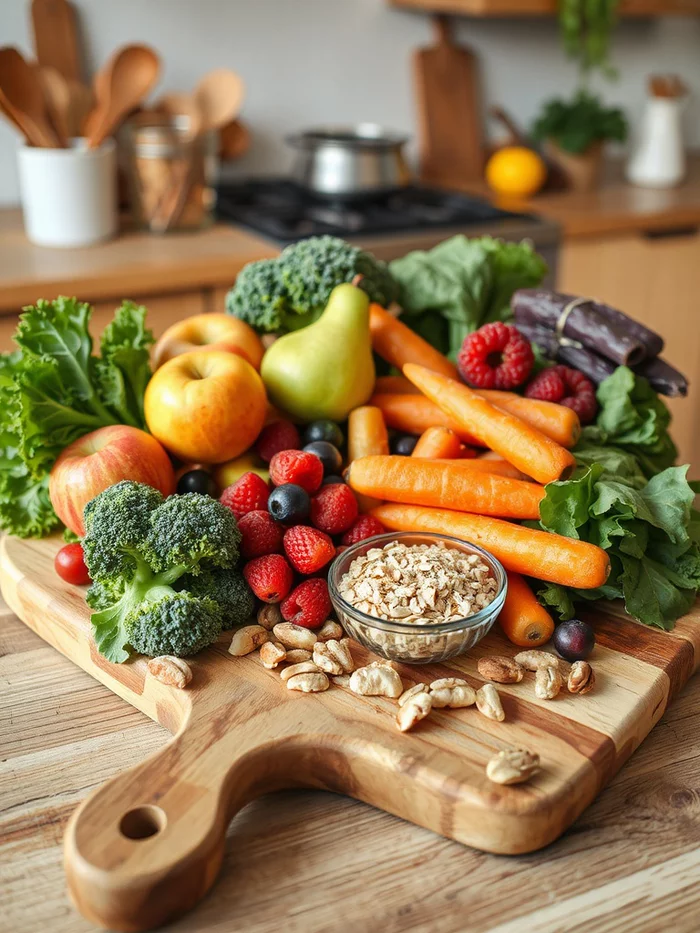
Foods rich in soluble fiber include:
Adding these foods to your diet fosters a healthy gut microbiome, which is essential for overall health. I always recommend starting your day with a bowl of oatmeal topped with fresh fruit—it’s nutritious and delicious!
Insoluble fiber is key to maintaining bowel regularity. It adds bulk to your stool and helps food pass through the digestive tract more efficiently. This is especially crucial for preventing constipation and promoting a healthy gut.
Consider incorporating more of these insoluble fiber sources into your meals:
By integrating these foods, you can support your digestive health and make your bathroom visits smoother—no one likes to feel bloated or uncomfortable!
To maximize the health benefits of dietary fiber, aim to include a variety of fiber-rich foods in your diet daily. A simple way to do this is by creating a "fiber-rich plate" at each meal. Fill half of your plate with vegetables, a quarter with whole grains, and the remaining quarter with legumes or beans. This not only enhances your fiber intake but also ensures a balanced meal that supports overall health!
At Fairfax Fitness, we believe that understanding the role of dietary fiber is essential for maintaining good health. Dietary fiber plays a crucial part in our digestive health and can help prevent various diseases. It's not just about fiber being a buzzword—it's about recognizing how it contributes to your overall well-being!
Incorporating sufficient fiber into your diet can lead to numerous benefits, including improved bowel regularity, enhanced nutrient absorption, and even reduced risk of chronic diseases. But before diving into how to increase your fiber intake, let’s summarize its key health benefits!
These key points highlight how important it is to integrate fiber into your diet. Remember, the more you focus on these aspects, the better you'll feel overall!
By taking these small steps, you can significantly enhance your fiber intake and enjoy the health benefits it brings. Remember, it’s all about making sustainable changes to your diet that fit your lifestyle!
Many of us have questions about fiber, especially regarding its role in digestive health. A common query is whether fiber truly helps with constipation. Absolutely! Fiber adds bulk to your stool, making it easier to pass. But it's essential to drink enough water when increasing your fiber intake to aid in this process!
When you decide to boost your fiber intake, you may experience some changes in your body. Initially, you might feel bloated or gassy as your gut adjusts. This is completely normal! To ease the transition, increase your fiber intake gradually over a few days. Your digestive system will thank you for it!
As you incorporate more fiber into your meals, pay attention to how your body responds. You might notice improved digestion, increased energy, and even better mood! At Fairfax Fitness, we encourage you to listen to your body and adjust accordingly. Your journey to better health starts here!
Here is a quick recap of the important points discussed in the article:
I'm Jordan H. Emerson, a dedicated health and fitness enthusiast passionate about empowering individuals on their wellness journeys. With a background in health sciences and years of personal training experience, I share actionable insights and trusted advice to help you achieve your health goals and build sustainable habits. My goal is to empower you with the knowledge and tools you need to foster lasting wellness and mental clarity.