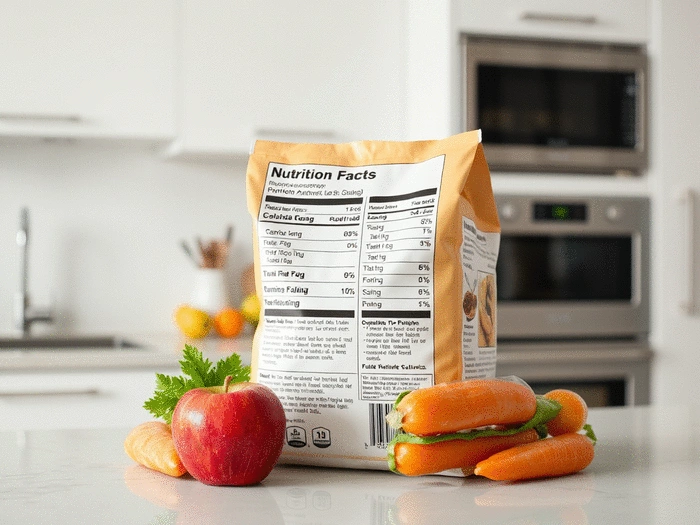
Decoding Nutrition Labels Made Simple

Decoding Nutrition Labels Made Simple
NUTRITION & DIET

Decoding Nutrition Labels Made Simple

Have you ever glanced at a nutrition label and wondered what it all means? Understanding these vital panels can be the key to making healthier food choices and reaching your wellness goals.

What You Will Learn

  • The importance of serving size when interpreting nutritional information.
  • How to identify hidden sugars and sodium levels in food products.
  • Common myths about nutrition labels that can mislead your dietary choices.
  • Practical tips for reading nutrition labels effectively to make informed decisions.
  • Resources for further education on nutrition and food labeling.
  • The benefits of consulting a dietitian for personalized dietary advice.

Key Pillars for Effective Nutrition Label Reading

Mastering nutrition labels involves understanding key components and applying practical strategies. Below, we highlight the most critical actions and information to focus on for healthier eating choices. For a deeper dive into how different food groups impact your body, consider understanding macronutrients.

1 Practical Tips for Reading Labels

  • Start with the Serving Size.
  • Focus on key nutrients like fiber & protein.
  • Watch out for added sugars.
  • Compare products for healthier options.

2 Resources for Further Learning

  • Explore Online Courses (Coursera, Udemy).
  • Utilize Nutrition Apps (MyFitnessPal).
  • Consult Government Websites (FDA, USDA).
  • Read Books by Registered Dietitians.

3 Benefits of Professional Guidance

  • Receive Individualized Nutrition Plans.
  • Get Food Sensitivity Guidance.
  • Learn Strategies for Eating Out.
  • Gain Personalized Support for goals.

4 Key Takeaways for Habits

  • Always check serving size first.
  • Prioritize essential nutrients.
  • Utilize available resources.
  • Consider a dietitian for advice.

Understanding Nutrition Labels: The Importance of Decoding Food Information

Welcome to the world of nutrition labels! These tiny panels are packed with vital information that can help you make healthier eating choices. At Fairfax Fitness, we believe that understanding what you eat is a crucial step toward achieving your wellness goals. Whether you're just starting out or you're more experienced in your health journey, decoding food information can empower you to make informed decisions.

Many people glance at these labels without really knowing how to interpret them. Have you ever thought, “What does this even mean?” Understanding nutrition labels allows you to assess the value of your food choices, helping you to optimize your diet and fuel your body effectively!

Person reading a nutrition label on a food product in a grocery store, focusing on making healthy choices

Why Nutrition Labels Matter for Healthier Eating Choices

Nutrition labels serve as a roadmap to a healthier lifestyle. They provide crucial details about what’s inside each product, including caloric content, macronutrients, and more. By regularly checking these labels, you can:

  • Identify hidden sugars and sodium levels that may affect your health.
  • Understand the nutritional value of different food items and compare brands.
  • Make choices that align with your dietary needs and goals.

For instance, if you’re watching your sugar intake, being able to spot added sugars on a label can significantly impact your choices. It's not just about what you eat—it's about making choices that support your overall well-being! This careful attention to diet also plays a crucial role in reversing prediabetes and other health conditions.

Common Misconceptions About Nutrition Labels

There are quite a few myths surrounding nutrition labels. One common misconception is that all foods labeled as "healthy" or "natural" are automatically good for you. However, this isn’t always the case! Here are a few myths to be aware of:

  • "Low-fat" or "fat-free" means healthy—sometimes, these products contain added sugars to make up for flavor.
  • All calories are the same—calories from whole foods (like fruits and veggies) offer more nutritional benefits than those from processed foods.
  • Organic means healthy—organic junk food still has sugars and unhealthy fats!

By dispelling these common myths, you can empower yourself to make better food choices. Remember, understanding nutrition labels is about more than just the numbers; it's about making informed decisions that resonate with your health journey!

Breaking Down the Key Components of Nutrition Labels

Now that we appreciate the importance of nutrition labels, let’s dive deeper into their key components. Each element tells a story about the food we consume, helping us make choices that support our fitness goals.

Taking Action: Making Informed Food Choices

At Fairfax Fitness, we believe that understanding nutrition labels is the first step towards healthier eating choices. It’s not just about what’s on the label, but how you can apply that knowledge in your daily life! To make informed decisions, here are some practical tips that can help you read nutrition labels effectively.

Practical Tips for Reading Nutrition Labels Effectively

Reading nutrition labels may seem overwhelming at first, but with a few simple strategies, you can make it a breeze! Here are some tips to enhance your label-reading skills:

  • Start with the Serving Size: Always check the serving size at the top of the label. It sets the standard for all the nutritional information that follows!
  • Focus on Key Nutrients: Pay attention to crucial nutrients such as fiber, protein, and vitamins. These are vital for your overall health.
  • Watch Out for Added Sugars: Look for added sugars in the ingredient list. They can sneak into products without you knowing!
  • Compare Products: Don’t hesitate to compare labels between similar products. This is a great way to choose healthier options.

Each of these tips serves as a guide to help you navigate the sometimes tricky world of nutrition labels. Remember, the more you practice, the easier it becomes!

Person preparing a healthy meal with fresh ingredients on a clean kitchen counter, emphasizing healthy food choices

Resources for Further Learning and Engagement

If you’re eager to deepen your understanding of nutrition labels, there are plenty of resources available! Here are some great options:

  • Online Courses: Websites like Coursera and Udemy offer courses on nutrition basics. These can be incredibly informative!
  • Nutrition Apps: Consider using apps like MyFitnessPal, which can help you track your food intake and understand nutrition labels better.
  • Government Websites: The FDA and USDA provide extensive resources on how to read food labels effectively.
  • Books: Look for books by registered dietitians that focus on label reading and healthy eating.

With these resources at your fingertips, you’ll feel empowered to make informed food choices that align with your health goals!

Consulting a Dietitian or Nutritionist for Tailored Advice

Sometimes, navigating nutrition can be complex, and that's okay! Consulting a professional, like a dietitian or nutritionist, can provide you with tailored advice that fits your specific needs. They can assist with:

  • Individualized Nutrition Plans: A dietitian can create a plan based on your lifestyle, preferences, and any health concerns.
  • Food Sensitivity Guidance: If you have allergies or sensitivities, a nutritionist can help you understand what to watch for on labels.
  • Strategies for Eating Out: Professionals can offer tips on how to make healthy choices when dining out or grocery shopping.

By seeking expert advice, you can confidently incorporate healthy eating into your daily routine. At Fairfax Fitness, we believe that everyone deserves access to personalized support on their wellness journey!

Frequently Asked Questions (FAQs) About Nutrition Labels

Here are some common questions about nutrition labels to help further your understanding:

Q: Why is serving size so important on a nutrition label?
A: The serving size dictates all the nutritional values listed on the label. If you eat more than one serving, you need to multiply all the listed nutrients (calories, fats, sugars, etc.) by the number of servings consumed to get the correct total.
Q: How can I identify hidden sugars in a product?
A: Beyond "sugar," look for ingredients ending in "-ose" (like fructose, glucose, dextrose), corn syrup, high-fructose corn syrup, malt syrup, molasses, fruit juice concentrate, and honey in the ingredient list. The higher these are on the list, the more sugar the product contains.
Q: Are "low-fat" or "fat-free" labels always a healthier choice?
A: Not necessarily. While reducing fat can be beneficial, many "low-fat" or "fat-free" products compensate for lost flavor by adding extra sugars, sodium, or artificial ingredients, which may not be healthier overall. Always check the full nutrition label, especially for added sugars.
Q: What are the most important nutrients to look for on a label?
A: Focus on getting enough beneficial nutrients like fiber, protein, vitamins (e.g., Vitamin D, Calcium, Iron, Potassium), and healthy fats. Also, pay attention to limiting less desirable nutrients like saturated fat, trans fat, cholesterol, sodium, and added sugars.
Q: Where can I find reliable resources to learn more about nutrition and food labeling?
A: Reputable sources include government health organizations like the FDA (Food and Drug Administration) and USDA (U.S. Department of Agriculture), educational institutions offering online nutrition courses, and books written by registered dietitians. Nutrition tracking apps can also be helpful tools.

Summing Up Your Nutrition Label Knowledge

Understanding nutrition labels is a vital skill that empowers you to make healthier eating choices. The tips, resources, and professional guidance we’ve discussed can help you take actionable steps towards improved wellness. Remember, knowledge is power, and applying what you’ve learned can lead to lasting changes in your diet!

Key Takeaways for Healthier Eating Habits

Here are a few key takeaways to keep in mind as you incorporate nutrition labels into your daily life:

  • Always start with the serving size to gauge nutritional information.
  • Look for essential nutrients and watch out for added sugars.
  • Utilize available resources to expand your knowledge!
  • Consider consulting a dietitian for personalized advice.

These insights will guide you toward making informed dietary choices and achieving your health goals. For more strategies on maintaining a healthy lifestyle, explore options like strategies for lasting happiness.

Encouragement to Apply Your Knowledge in Real Life

Now that you have the tools to read nutrition labels effectively, it’s time to put that knowledge into action! Start small by applying these principles during your next grocery trip or while preparing meals at home. Remember, every effort counts, and each healthy choice adds up over time. You've got this!

Recap of Key Points

Here is a quick recap of the important points discussed in the article:

  • Understand and utilize nutrition labels to make informed food choices.
  • Be aware of hidden sugars and sodium levels that affect health.
  • Debunk common misconceptions about "healthy" food labels.
  • Focus on serving sizes, key nutrients, and added sugars when reading labels.
  • Use resources like online courses and apps for further learning about nutrition.
  • Consult a dietitian for personalized advice tailored to your health needs.
About Me

Welcome to Fairfax Fitness!

I'm Jordan H. Emerson, a dedicated health and fitness enthusiast passionate about empowering individuals on their wellness journeys. With a background in health sciences and years of personal training experience, I share actionable insights and trusted advice to help you achieve your health goals and build sustainable habits. My goal is to empower you with the knowledge and tools you need to foster lasting wellness and mental clarity.