
Vitamin C: Immune Cell Production
Stimulates white blood cell production.
Sources: Citrus, Bell Peppers, Strawberries, Broccoli.
Oct 18
Did you know that a balanced diet can significantly enhance your immune function? Understanding how nutrition impacts our body's defenses is essential for maintaining overall health. Here’s what you will learn about the vital relationship between diet and immune health.
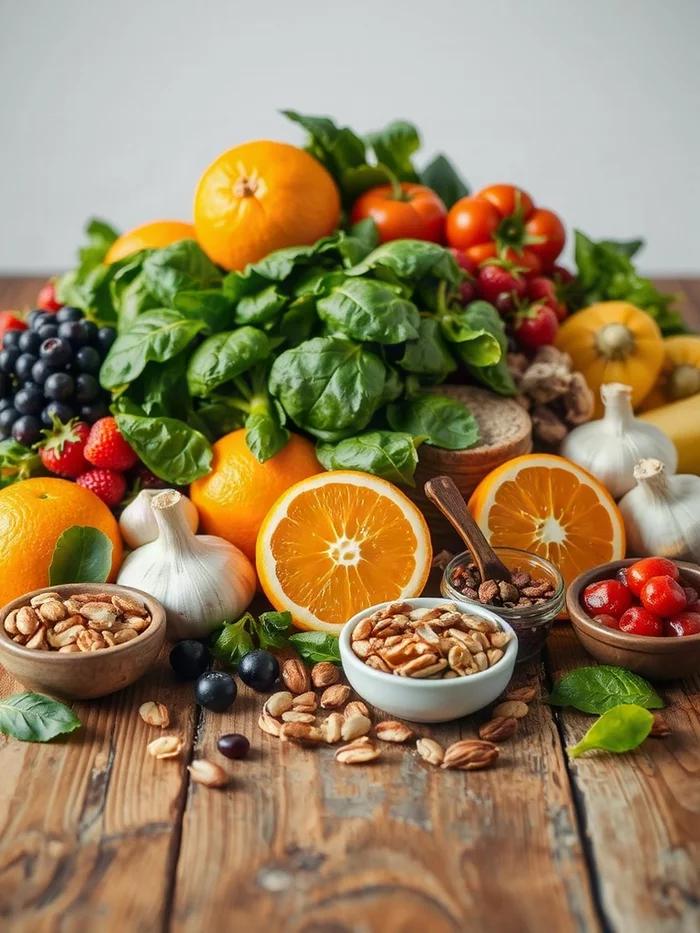
This visual highlights the essential nutrients and critical lifestyle factors that work in synergy to bolster your immune system, along with simple ways to incorporate them into your daily routine.
Stimulates white blood cell production.
Sources: Citrus, Bell Peppers, Strawberries, Broccoli.
Activates immune cells, reduces infection risk.
Sources: Fatty Fish, Fortified Foods, Sunlight.
Aids immune cell development & function.
Sources: Meat, Seafood, Legumes, Nuts.
Neutralize free radicals, protect cells.
Sources: Berries, Leafy Greens, Nuts, Seeds.
Balance inflammatory responses.
Sources: Fatty Fish, Flaxseeds, Walnuts.
Crucial for optimal immune function.
Adequate rest, stress reduction, regular activity.
Have you ever wondered how your diet influences your immune health? At Fairfax Fitness, I believe that nutrition plays a crucial role in supporting our bodies' defenses against illness. A balanced diet rich in essential nutrients can significantly enhance our immune function, making it vital to understand this relationship. When we fuel our bodies with the right foods, we empower our immune system to effectively fight off infections and maintain overall health.
To kick things off, let’s explore some of the ways that nutrition impacts our immune system. A nutritious diet helps in the production of immune-boosting cells and enhances their performance. When we consume a variety of nutrient-dense foods, we not only support our immunity but also improve our energy levels and mental clarity—two key aspects of well-being! To learn more about how diet affects other bodily functions, consider reading our guide on Understanding Macronutrients: A Beginner's Guide.
It’s clear that what we eat affects our immune health. Below are some key ways our diets influence immunity:
Nourishing our bodies with whole foods is essential. It’s about making those daily dietary choices that, over time, lead to significant health improvements. Remember, every meal is an opportunity to support your immune function!
Key vitamins and minerals are vital for maintaining a strong immune system. Some of the standout players include:
Incorporating these nutrients into your daily meals can dramatically enhance your body's ability to fend off illnesses. It’s not just about one or two foods; variety is the spice of life! Focus on colorful fruits, veggies, and whole grains to ensure you're getting a wide range of essential nutrients.
Vitamin C is often touted as a powerhouse for immune support, and for good reason! It helps to stimulate the production of white blood cells, which are vital in defending against infections. You can find vitamin C in:
By incorporating these foods into your meals, you're not only enhancing your immunity but also adding delicious flavors to your plate!
Did you know that vitamin D plays a significant role in regulating the immune system? This vitamin helps to activate immune cells that can detect and fight off pathogens. You can obtain vitamin D from:
Maintaining adequate levels of vitamin D is crucial, especially during the winter months when sunlight exposure is limited. Consider getting your vitamin levels checked to ensure you’re supporting your immune system effectively!
Zinc is another essential mineral that deserves our attention. It’s known for its role in fighting infections, as it helps in the development of immune cells. Top sources of zinc include:
Incorporating these zinc-rich foods is a simple way to bolster your immune defense. It’s amazing how a few dietary changes can lead to enhanced health!
Lastly, let's talk about the impact of antioxidants and anti-inflammatory foods on our immune health. Foods rich in antioxidants can help neutralize harmful free radicals, thus protecting our cells. Consider adding the following to your meals:
These foods not only support your immune system but also contribute to improved overall health. Pair them with a variety of whole grains for a well-rounded diet!
Omega-3 fatty acids are known for their anti-inflammatory properties, which can be beneficial for immune health. Foods that are rich in omega-3s include:
Incorporating these foods can help balance inflammatory responses and support immune function. Who knew that such simple dietary choices could have such a profound impact! For more insights into beneficial fats, explore Understanding Healthy Fats: Oils, Nuts, and Seeds.
To further bolster your immune health, consider incorporating fermented foods into your diet. These foods, such as yogurt, sauerkraut, and kimchi, are rich in probiotics, which support a healthy gut microbiome. A thriving gut is essential for optimal immune function, as it helps regulate inflammation and enhances nutrient absorption. Make it a point to enjoy at least one serving of fermented food each day!
As I delve deeper into the relationship between nutrition and immune health, it's crucial to acknowledge the role of lifestyle factors. Sleep, stress management, and regular exercise significantly impact our immune function. By understanding how these elements intertwine with our diet, we can create a comprehensive approach to enhancing our overall health.
For example, did you know that inadequate sleep can weaken your immune response? Prioritizing quality rest is just as essential as consuming nutrient-dense foods. It’s all about balance!
When we think about fortifying our immune system, we often focus solely on nutrition. However, lifestyle habits like sleep, stress management, and exercise are equally important. Let's take a closer look at how these components play their part:
Incorporating these habits into your daily routine can bolster your immune defenses, complementing your nutritional efforts. It’s about crafting a lifestyle that supports your wellness journey!
At Fairfax Fitness, we understand that everyone's dietary needs are unique. Whether you’re vegetarian, vegan, or following another specific eating plan, it's important to tailor your nutrition to support immune health effectively. Here are some key considerations:
Each dietary choice can still meet your immune-supporting nutritional needs! It's about being mindful of what you consume and making informed choices. For more on dietary needs, check out our insights on Transitioning to a Plant-Based Diet.
Whole foods—think fresh fruits, vegetables, nuts, and seeds—are the cornerstone of a diet aimed at enhancing immune health. These foods are packed with essential vitamins, minerals, and antioxidants that keep your immune system functioning at its best!
Here’s a list of fantastic whole foods to include in your meals:
By focusing on whole foods, you're not only nourishing your body but also enhancing your immune system’s capacity to ward off illnesses.
Here are some common questions about nutrition and immune health:
As we wrap up this section, it’s essential to recap some of the key nutrients and food categories that play a significant role in supporting immune health:
These nutrients, along with a balanced lifestyle that incorporates sleep and stress management, form the foundation for a robust immune system. To further understand how different food choices impact your body, explore our post on Food Combinations: Science or Myth?
It's time to take action! I encourage you to evaluate your current nutrition and lifestyle habits. Start small: perhaps introduce a new whole food into your meals or prioritize sleep this week. Remember, a proactive approach can make all the difference!
I invite you to share your experiences and tips on supporting your immune health in the comments below. At Fairfax Fitness, we’re building a community focused on wellness, and your input is invaluable. Let’s inspire each other on this journey towards better health!
Here is a quick recap of the important points discussed in the article:
I'm Jordan H. Emerson, a dedicated health and fitness enthusiast passionate about empowering individuals on their wellness journeys. With a background in health sciences and years of personal training experience, I share actionable insights and trusted advice to help you achieve your health goals and build sustainable habits. My goal is to empower you with the knowledge and tools you need to foster lasting wellness and mental clarity.