What is Food Synergy?
Certain foods work better together, enhancing each other's nutritional benefits through improved absorption or utilization.
Enhanced Nutritional Benefits
Sep 02
What if the secret to better health lies not only in what you eat but in how you combine your foods? The nuances of food pairing can empower your wellness journey, giving you the ability to enhance digestion and nutrient absorption!
Understanding how food combinations impact digestion and nutrient absorption is crucial for optimizing your wellness journey.
When it comes to nutrition, many people ask, "Does the way we combine foods really matter?" At Fairfax Fitness, we believe understanding food combinations can empower your wellness journey! Let’s dive into the science of food combining and explore how it can impact your health.
In this section, we’ll discuss what food combining is, debunk common myths, and look at the science behind nutrient synergy. Clear comprehension of these concepts can pave the way for healthier choices that enhance both physical health and mental clarity. For a deeper understanding of essential nutrients, explore our guide on understanding macronutrients.
Food combining is a dietary approach that suggests certain foods should not be eaten together. The idea is rooted in the belief that different foods require varying digestive environments. For example, proponents argue that proteins and carbohydrates should be consumed separately for optimal digestion.
This practice has historical origins in various cultures, often linked to traditional dietary practices. However, it’s essential to approach these guidelines with a critical mind, focusing on how your own body responds to different combinations.
Understanding these myths is crucial! They often create unnecessary restrictions that can complicate a healthy eating pattern. I've seen many clients become frustrated when they try to adhere strictly to food combining rules, rather than focusing on overall balance.
It's important to recognize that our bodies are incredibly adaptable. Research shows that while some food combinations might enhance digestion, others may not be as critical as once thought. This flexibility means you can enjoy a wider variety of meals without the stress of strict rules!
As I guide individuals in their fitness journeys, I encourage them to listen to their bodies. If a particular combination feels heavy or uncomfortable, it may be worth exploring alternatives. Remember, finding what works for you is key!
The human digestive system is equipped to handle a variety of food types. Our stomachs produce acids and enzymes capable of breaking down proteins, fats, and carbohydrates simultaneously. This means that, contrary to some food combining theories, mixed meals can still be efficiently digested! To further optimize your nutrient intake, consider how meal timing impacts nutrient absorption.
When planning meals, keep in mind that incorporating a balance of nutrients—like fiber, protein, and healthy fats—can support your digestive health. Focus on enjoying meals that make you feel good.
Food synergy refers to the concept that certain foods work better together to enhance their nutritional benefits. For instance, combining high-vitamin C foods with iron-rich sources can significantly increase iron absorption. This is where the magic happens in our meals!
As you begin to explore your food choices, consider how different ingredients can complement each other. This practice isn't just about what not to eat together; it's about discovering the potential of “super combinations” that promote health and vitality.
These combinations not only taste great, but they also maximize the nutritional value of your meals! At Fairfax Fitness, we encourage creativity in the kitchen as a way to enhance your overall wellness.
Understanding the chemistry behind food can help us make better dietary choices. Food contains various compounds that interact with one another, influencing how nutrients are absorbed and utilized by your body. By being mindful of food pairings, we can harness these benefits for better health outcomes.
Remember, the goal is not to overthink your meals but to explore combinations that nourish your body and support your wellness journey. Let’s strive for balance, not perfection!
Different food types digest at different rates. For instance, fats take longer to digest than carbohydrates. This understanding can help you plan meals that keep you feeling satisfied throughout the day.
By mixing slow-digesting proteins with faster-digesting carbs, you can create a balanced meal that provides sustained energy. This tactic can be especially beneficial for those of us who lead busy lives and need to maintain focus.
Bioavailability refers to the proportion of nutrients that our bodies can absorb and utilize. This concept is key when considering food combinations. Some pairings can enhance bioavailability, ensuring you get the most out of your meals!
For example, cooking vegetables can sometimes increase their nutrient availability. As you plan your meals, think about how cooking methods and food combinations can impact your nutrient intake.
Enzymes play a critical role in breaking down food into nutrients that our bodies can use. Different foods can stimulate the production of various digestive enzymes, influencing how effectively nutrients are absorbed.
As you experiment with your meals, consider how ingredients can work synergistically to support digestive health. This approach can lead to enjoyable eating experiences and better nutritional outcomes!
Some individuals may benefit from specific food pairings more than others. For instance, those with digestive disorders or specific health conditions may find tailored combinations helpful in managing their symptoms.
At Fairfax Fitness, we aim to support everyone on their wellness journey, ensuring that options are accessible for all. Listen to your body, and consider seeking advice if you have specific dietary needs.
Recognizing these considerations can lead to better meal choices and improved health outcomes. Always prioritize what feels right for your body!
Whether you follow a vegan, vegetarian, or omnivorous diet, understanding food combinations can enhance your meal planning. Tailoring your meals according to your dietary preferences allows you to maximize nutritional benefits while enjoying the foods you love. For more on dietary choices, delve into diet comparisons like Keto, Paleo, and Vegan.
At Fairfax Fitness, we encourage you to explore different combinations and discover what fuels your body and mind. Remember, a balanced approach is key to sustainable wellness!
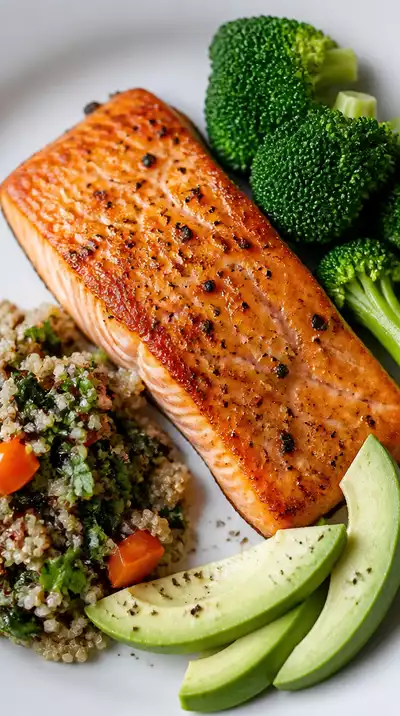
Creating balanced meals can be simple when you remember to incorporate a variety of food groups. Aim to fill your plate with a mix of fiber, protein, and healthy fats. This trio can help create satisfying meals that support energy levels and overall health.
As you plan your meals, consider what combinations work best for you. Focus on simplicity and enjoy the process of discovering new flavors and textures!
These examples illustrate how easy it can be to create meals that are both delicious and nutritious. Remember, meal prep can save you time and ensure you always have healthy options on hand!
Effective meal planning is essential for maintaining a balanced diet. Start by dedicating a specific day to plan your meals for the week. This practice not only helps you stay organized but also allows you to explore new recipes!
Keep in mind that flexibility is important. If you find a combination you love, don’t hesitate to repeat it. The journey to wellness is about enjoyment and sustainability—embrace it!
While some believe that mixing certain fruits can lead to digestive issues, research indicates that this is often a myth. Enjoying a variety of fruits in meals can provide essential nutrients and flavor!
Combining carbohydrates and proteins can create balanced meals that help with satiety and energy levels. This balance can support weight management goals by preventing overeating.
Food intolerances can significantly impact meal planning. Being mindful of your body’s reactions to specific foods allows you to create combinations that nourish without discomfort. Always prioritize foods that make you feel your best!
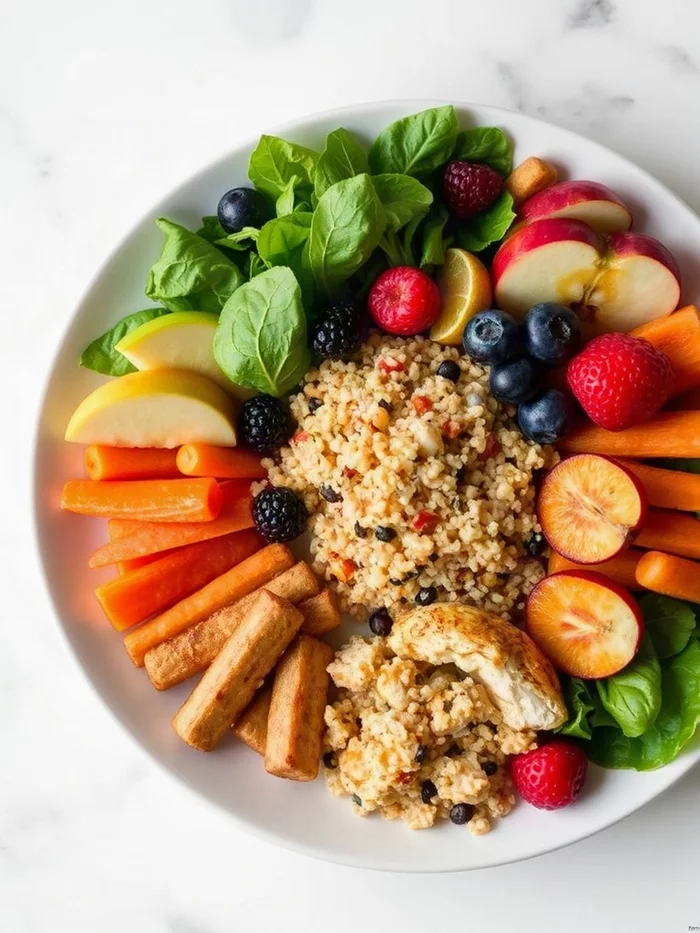
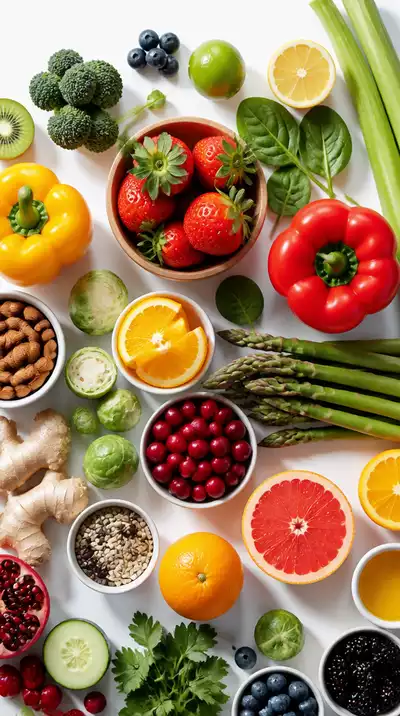
When experimenting with food combinations, consider incorporating a variety of colorful fruits and vegetables. Not only do they enhance the visual appeal of your meals, but their diverse nutrient profiles can work synergistically to boost your overall health. For instance, pairing vibrant berries with leafy greens can provide a powerful dose of antioxidants and vitamins!
As we explore the world of food combinations, it's important to remember the core principles that can guide us towards improved digestive health. Throughout our discussion, we've learned that the science behind food pairing isn't about strict rules but rather about understanding how different foods work together. The goal is to create meals that support our body's needs for optimal digestion and nutrient absorption!
To summarize the evidence-based insights on food pairing, we can focus on a few key factors:
Adopting a balanced diet is far more beneficial than adhering to strict food combining rules. It allows for flexibility and enjoyment in your meals, making it easier to maintain a sustainable health journey!
At Fairfax Fitness, we believe in empowering individuals to make choices that nourish both the body and mind. Here are some recommendations for fostering a balanced diet:
Remember, it’s about creating sustainable habits that fit into your lifestyle rather than following rigid food combinations!
As you think about how to approach food combining in your daily meals, consider integrating some of the strategies we discussed. Start with simple adjustments that enhance your meals:
By taking these small steps, you can create a positive relationship with food that supports your health goals!
I'd love to hear from you! How have you experienced food combinations in your own meals? Feel free to share any questions or insights you have on this topic. Engaging with our community at Fairfax Fitness is what keeps us motivated to provide valuable resources for your wellness journey. Let’s continue this conversation and support each other in achieving lasting health and happiness!
Here is a quick recap of the important points discussed in the article:
Final content section.
I'm Jordan H. Emerson, a dedicated health and fitness enthusiast passionate about empowering individuals on their wellness journeys. With a background in health sciences and years of personal training experience, I share actionable insights and trusted advice to help you achieve your health goals and build sustainable habits. My goal is to empower you with the knowledge and tools you need to foster lasting wellness and mental clarity.