Jul 03
Vaccination's Impact on Disease Prevention
In the world of health, understanding vaccination is key. Did you know that vaccines not only protect individuals but also contribute to community immunity? This knowledge empowers us to make informed health choices and advocate for the well-being of those around us.
What You Will Learn
- Mechanism of Action: Vaccines train the immune system to recognize and combat pathogens, building a defense system against future infections.
- Immune Memory: Vaccination creates lasting immune memory that enables quicker and more effective responses to actual disease threats.
- Components of Vaccines: Understanding antigens, adjuvants, and stabilizers reveals how vaccines evoke strong immune responses.
- Vaccine Efficacy Factors: Age, health status, and type of vaccine can influence how effectively a vaccine prevents disease.
Understanding the Immune Response to Vaccination
Vaccines train our immune system through a structured process, leading to the development of antibodies and immune memory. This visual outlines the key steps and components involved in activating our body's defenses. To further understand how our bodies build defenses, explore gut health's role in immunity.
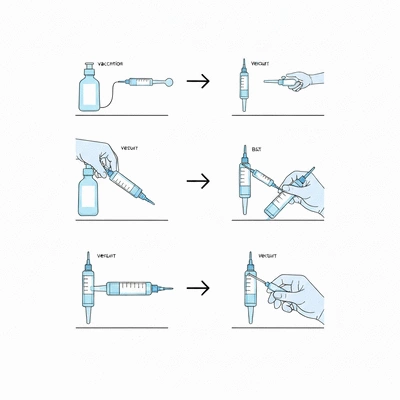
How Vaccines Train the Immune System
Vaccines introduce harmless pathogen components, stimulating the immune system to build defenses without causing illness. This 'training' is crucial for future protection.
- Develop Antibodies
- Create Immune Memory
- Enhance Response
Anatomy of a Vaccine: Key Components
Vaccines are carefully formulated with components that work together to trigger a robust and lasting immune response, ensuring safety and efficacy.
- Antigens (Stimulate Response)
- Adjuvants (Boost Response)
- Stabilizers (Maintain Efficacy)
Understanding the Mechanisms Behind Vaccination and Disease Prevention
Vaccination plays a crucial role in disease prevention and public health. It’s fascinating to explore how vaccines work and their impact on our immune system. Understanding these mechanisms is essential for appreciating the effectiveness of vaccines in safeguarding our health and the health of our communities!
At Fairfax Fitness, we believe in empowering individuals through knowledge, and this topic is no exception. By learning about vaccines, we can make more informed decisions about our health and the well-being of those around us.
How Vaccines Work: Training the Immune System
Vaccines essentially train our immune system to recognize and fight pathogens. When we receive a vaccine, our body is introduced to a harmless part of the pathogen, such as a protein or a weakened version of it, which stimulates an immune response. This process helps our immune system create antibodies that will protect us against the real pathogen in the future.
Let’s break down the core components of this training process:
- Development of Antibodies: These are specialized proteins that specifically target and neutralize pathogens.
- Creation of Immune Memory: Once our immune system encounters a pathogen, it remembers it. This means that if the actual pathogen invades our body later, it can respond faster and more effectively.
- Enhanced Response: The next time the pathogen is encountered, the immune system can quickly mobilize defenses, reducing the severity of the disease.
This training process not only protects us but also contributes to community immunity, reducing the overall spread of disease. As we navigate our health journeys, understanding how vaccination supports our bodies can be incredibly empowering! For further insights into maintaining a healthy body, consider learning about heart disease prevention through lifestyle changes.
The Role of Antibodies and Immune Memory
Antibodies are the heroes of our immune system! When we receive a vaccine, our body generates antibodies that specifically recognize the pathogen. These antibodies remain in our system, ready to spring into action if we encounter the actual disease. This is the essence of immune memory, a remarkable feature of our body’s defense mechanism.
In essence, vaccines equip our immune system with the tools necessary to fight infections effectively. This preparedness is what makes vaccination such a powerful tool in public health!
Understanding Pathogen Recognition through Vaccines
Pathogen recognition is critical for an effective immune response. Vaccines help our immune system create a blueprint of the pathogen, which allows for swift identification in the future. This is particularly vital in controlling outbreaks and preventing diseases from spreading within communities.
By familiarizing our immune system with specific pathogens through vaccination, we build a safer environment not just for ourselves, but for everyone around us. Vaccination is a community effort and can lead to a healthier future!
Anatomy of a Vaccine: Components and Function
Vaccines are composed of several key elements that work together to evoke a strong immune response. Understanding these components can provide clarity on how vaccines function and their importance in disease prevention.
Here’s a quick overview of what makes up a vaccine:
- Antigens: These are the parts of the pathogen that stimulate the immune response.
- Adjuvants: Substances added to enhance the body’s immune response to the antigen.
- Stabilizers: These help maintain the vaccine's effectiveness during storage and transport.
Each of these components plays a vital role in ensuring that vaccines are effective and reliable. By understanding their specific functions, we can appreciate the science behind vaccination!
Key Elements: Antigens, Adjuvants, and Stabilizers
Each ingredient in a vaccine serves a purpose. Antigens mimic the disease-causing germ, while adjuvants boost the immune system's response, making the vaccine more effective. Stabilizers ensure that the vaccine remains potent until it’s administered. Together, these elements create a powerful tool for disease prevention.
Next time you consider vaccination, remember the intricate work happening behind the scenes to protect your health!
Visual Guide: Step-by-Step Immune Response Activation
Visualizing the immune response can provide deeper insights into how vaccines work. Here’s a simplified step-by-step process of what happens after vaccination:
- The vaccine is administered, introducing the antigen into the body.
- The immune system recognizes the antigen as foreign.
- Antibodies are produced in response to the antigen.
- Immune memory cells are created to remember the pathogen.
- Upon future exposure to the real pathogen, the immune system activates quickly, neutralizing the threat.
This step-by-step process highlights the efficiency of our immune system when trained by vaccines. It’s a fascinating journey that showcases the remarkable capabilities of our body!
Exploring Vaccine Efficacy: Effectiveness in Disease Prevention
Vaccine efficacy is a critical aspect of their value in public health. Understanding how well vaccines work in preventing disease can help us appreciate their importance and encourage vaccination within our communities.
Several factors can influence vaccine efficacy:
- Age: Younger and older individuals may respond differently to vaccines.
- Health Status: Individuals with underlying conditions may have varied responses.
- Type of Vaccine: Different vaccines can have different levels of effectiveness.
By considering these factors, we can better understand why some vaccines are more effective than others and why vaccination is crucial in maintaining public health.
Factors Influencing Vaccine Efficacy
As mentioned, several factors contribute to how effective a vaccine will be. For example, a vaccine's formulation, the timing of doses, and our immune responses all play significant roles. Each of these elements can impact how well we are protected from diseases.
Recognizing these factors empowers us to make informed decisions regarding vaccinations and encourages discussions with healthcare professionals about what is best for our health.
Understanding Clinical Trials and Real-World Effectiveness
Clinical trials are essential for determining how effective a vaccine is before it’s approved for public use. These trials assess the vaccine's safety and efficacy across different populations and conditions. Real-world effectiveness is also important; it assesses how well a vaccine performs in everyday situations.
By joining the conversation around vaccines and their efficacy, we can collectively support one another in making health choices that lead to lasting wellness! To learn more about improving overall wellness, read about strategies for lasting happiness.
Did You Know?
According to the World Health Organization, vaccines prevent an estimated 2-3 million deaths each year. This statistic underscores the critical role vaccination plays in global health and disease prevention.
Frequently Asked Questions About Vaccination
- Q: How do vaccines protect individuals from disease?
- A: Vaccines introduce harmless components of pathogens to the immune system, training it to recognize and create antibodies against future infections without causing illness.
- Q: What is immune memory and why is it important?
- A: Immune memory refers to the immune system's ability to remember a pathogen after initial exposure (e.g., through vaccination). This allows for a quicker and more effective response if the actual pathogen is encountered later, reducing disease severity.
- Q: What are the main components of a vaccine?
- A: Vaccines typically consist of antigens (parts of the pathogen that stimulate an immune response), adjuvants (substances that boost the immune response), and stabilizers (ingredients that maintain vaccine effectiveness during storage).
- Q: What factors can influence how effective a vaccine is?
- A: Vaccine efficacy can be influenced by several factors, including an individual's age, their overall health status (e.g., presence of underlying conditions), and the specific type or formulation of the vaccine.
- Q: How do vaccines contribute to community immunity?
- A: When a high percentage of the population is vaccinated, it creates "herd immunity," which reduces the overall spread of a disease. This protects vulnerable individuals who cannot be vaccinated (e.g., infants, those with weakened immune systems).
Summarizing the Essential Role of Vaccination in Disease Prevention
Vaccination plays a pivotal role in safeguarding both individual and public health. By preventing diseases, vaccines not only protect those who receive them but also contribute to the overall well-being of communities. At Fairfax Fitness, we understand the importance of health in all its forms, and vaccination is a key aspect of maintaining a healthy lifestyle.
Here are some key takeaways regarding the effectiveness and importance of vaccines:
- Prevention of Disease: Vaccines significantly reduce the incidence of preventable diseases.
- Community Protection: High vaccination rates contribute to herd immunity, which protects vulnerable individuals.
- Cost-Effectiveness: Vaccination is often more cost-effective than treating diseases post-infection.
- Long-Term Health Benefits: Vaccines can lead to healthier populations and reduce the burden on healthcare systems.
Looking Forward: The Future of Vaccination and Global Health Goals
The journey of vaccination is far from over; we are faced with numerous challenges that require collaborative efforts. As someone passionate about wellness, I see the value in understanding these obstacles and working toward solutions. Here’s what to look forward to in the realm of vaccination:
Challenges Ahead: Vaccine Distribution and Global Equity
Ensuring equitable access to vaccines worldwide remains a significant hurdle. Inequities can lead to outbreaks in unvaccinated populations, highlighting the need for concerted efforts to improve distribution channels. Global partnerships must focus on making vaccines accessible to all, regardless of geographic location. This global effort mirrors the personal dedication required for sustainable weight loss maintenance, emphasizing long-term commitment.
The Role of Continued Research and Development in Vaccines
Research is critical in advancing vaccination techniques and developing new vaccines for emerging diseases. Continuous innovation will help us adapt to challenges like evolving pathogens and public health needs. This commitment to research can bolster our defenses against infectious diseases and ensure future readiness.
Future Vaccination Schedules and Pediatric Vaccinations
Vaccination schedules are evolving to include new vaccines, particularly for children. It’s essential to stay informed about these changes to ensure that the younger generation is well-protected. By prioritizing pediatric vaccinations, we can set the stage for a healthier future!
Join the Movement: Advocate for Vaccination in Your Community
As I engage with our Fairfax Fitness community, I encourage everyone to join the movement advocating for vaccination. Your voice matters, and together, we can make a difference!
Encouraging Informed Conversations Around Vaccination
It’s vital to cultivate an environment where open discussions about vaccines take place. Start conversations with friends and family about the significance of vaccination and share credible information. By doing so, we empower ourselves and others to make informed health choices.
Resources for Further Learning on Vaccination and Public Health
To deepen your understanding of vaccinations and their impact on public health, explore credible resources such as:
- Centers for Disease Control and Prevention (CDC) - Provides comprehensive information on vaccines and immunizations.
- World Health Organization (WHO) - Global health authority that offers insights on vaccination programs worldwide.
- Local health departments - Often have educational materials and community programs on vaccination.
- Health-focused organizations - Many organizations like Fairfax Fitness offer resources on wellness and preventive care.
By engaging with these resources, you can stay informed and advocate for vaccination in your community. Together, we can enhance public health and wellness for all!
Recap of Key Points
Here is a quick recap of the important points discussed in the article:
- Vaccination Mechanism: Vaccines train the immune system by introducing harmless parts of pathogens, leading to the development of antibodies.
- Community Immunity: High vaccination rates contribute to herd immunity, protecting vulnerable populations from disease outbreaks.
- Vaccine Components: Key elements like antigens, adjuvants, and stabilizers work together to ensure vaccines are effective and reliable.
- Factors Influencing Efficacy: Age, health status, and type of vaccine can affect how well vaccines prevent diseases.
- Advocacy for Vaccination: Engaging in informed conversations and sharing credible resources can empower communities to support vaccination efforts.

About Me

Welcome to Fairfax Fitness!
I'm Jordan H. Emerson, a dedicated health and fitness enthusiast passionate about empowering individuals on their wellness journeys. With a background in health sciences and years of personal training experience, I share actionable insights and trusted advice to help you achieve your health goals and build sustainable habits. My goal is to empower you with the knowledge and tools you need to foster lasting wellness and mental clarity.
Recent Posts

Effective Strategies for Weight Maintenance
2026-10-08
Nurturing Your Health Goals Together
2026-10-07