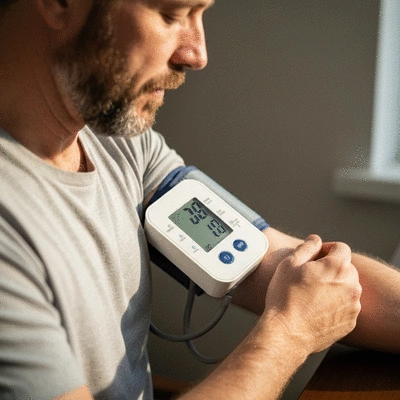
Heart Disease: A Leading Cause of Death
Responsible for approximately
697,000
deaths in the U.S. each year.
Mar 20
Did you know that heart disease is responsible for nearly 697,000 deaths annually in the U.S.? Understanding how to prevent this can not only save lives but also significantly enhance well-being!
This visual highlights critical statistics related to heart disease and outlines the key lifestyle areas influencing heart health, emphasizing the urgency of prevention and proactive measures.
Responsible for approximately
deaths in the U.S. each year.
Heart disease is a term that encompasses a variety of conditions affecting the heart and blood vessels. It's a leading cause of death globally, impacting millions of lives. Understanding heart disease is essential because it not only affects physical health but also has profound implications on overall well-being. At Fairfax Fitness, we believe that knowledge is the first step toward prevention!
Heart disease significantly influences our daily lives, from physical limitations to emotional stress. For those of us dedicated to wellness, recognizing the risks associated with heart disease can motivate us to adopt healthier lifestyles. Experts urge prevention and innovation to curb high rates of heart disease and stroke, emphasizing why it matters. By making informed choices, we can significantly improve our heart health and enhance our quality of life.
Heart disease includes conditions such as coronary artery disease, heart rhythm problems, and heart infections. According to the CDC, it's responsible for about 697,000 deaths in the U.S. each year. This staggering number emphasizes the urgency of understanding heart disease and taking active steps toward prevention.
Each of these conditions can drastically affect your health, making it crucial to recognize the warning signs and make proactive changes to your lifestyle. Remember, heart disease is often preventable through small, consistent lifestyle shifts, as highlighted by the Mayo Clinic's comprehensive information on heart disease prevention!
Our daily habits play a significant role in our heart health. From what we eat to how active we are, lifestyle choices can either increase or decrease the risk of heart disease. For instance, diets high in saturated fats and sugars can lead to obesity and high cholesterol, both risk factors for heart problems.
It's imperative to recognize these connections. By making intentional lifestyle changes, you can significantly lower your risk of heart disease. At Fairfax Fitness, we focus on providing actionable steps that empower you on your wellness journey!
Did you know? Integrating simple changes into your daily routine can significantly boost your heart health. For instance, swapping out refined grains for whole grains and taking the stairs instead of the elevator are small yet impactful steps. Aim to make these small changes consistently, and you’ll be on your way to improving your cardiovascular health!
In summary, taking proactive steps to enhance your heart health can significantly reduce your risk of heart disease. Throughout this article, we've discussed several lifestyle changes that play a pivotal role in heart disease prevention. From adopting heart-healthy diets to engaging in regular physical activity, each change contributes to a stronger cardiovascular system and improved overall well-being.
By monitoring your cholesterol and blood pressure, managing stress effectively, and staying active, you can make substantial strides toward achieving lasting heart health. Remember, every small change counts! Here are the key takeaways:
Here are some common questions about heart disease and its prevention:
Now that we've covered the essential lifestyle changes, it’s time to take action! I encourage you to assess your current lifestyle and identify the areas where you can make improvements. Setting actionable and realistic goals is crucial in your journey towards heart disease prevention. Start with one or two changes at a time; this will make the process feel less overwhelming and more achievable!
Consider using a journal or an app to track your progress. Reflect on your successes and areas for improvement. It’s about creating a heart health plan that suits you. You might say, “I will aim for at least 30 minutes of physical activity three times a week,” or “I will replace sugary snacks with fruits and nuts.” These kinds of commitments can lead to lasting changes.
To support you further, I’ve compiled a list of valuable resources and tools that can help you on your heart health journey:
Utilizing these tools can provide you with the support you need for effective heart disease prevention. Remember, at Fairfax Fitness, we're here to guide you on this journey with resources and structured guidance tailored to your needs.
I’d love to hear from you! What changes have you made to improve your heart health? Share your experiences, tips, or any challenges you’ve faced in the comments below. By engaging in this conversation, we can foster a supportive community where we all learn and grow together. Your story might inspire someone else to take action!
Here is a quick recap of the important points discussed in the article:
I'm Jordan H. Emerson, a dedicated health and fitness enthusiast passionate about empowering individuals on their wellness journeys. With a background in health sciences and years of personal training experience, I share actionable insights and trusted advice to help you achieve your health goals and build sustainable habits. My goal is to empower you with the knowledge and tools you need to foster lasting wellness and mental clarity.