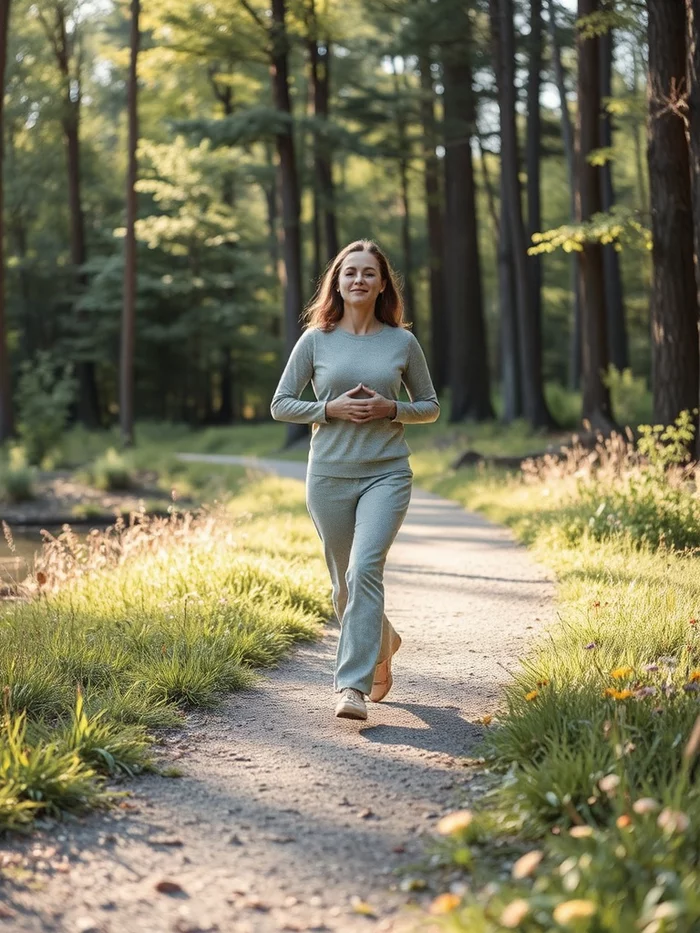
Jun 01
Walking Meditation: Health Benefits Explained
Walking meditation is more than just a practice; it's a pathway to mindfulness that can be integrated seamlessly into your daily life. By embracing this technique, you'll discover how simple steps can lead to profound mental clarity and emotional well-being.
What You Will Learn
- Understand the essence of walking meditation and its role in fostering mindfulness.
- Learn techniques to synchronize your breath with your movements for enhanced relaxation.
- Discover the importance of body awareness and how it can deepen your meditation experience.
- Explore ways to incorporate walking meditation into your daily routine for lasting benefits.
- Gain insights on adapting your practice to different environments for maximum engagement.
- Recognize the unique benefits of outdoor walking meditation and its impact on mental clarity.
Understanding Walking Meditation: Key Elements & Integration
Walking meditation combines movement with mindfulness. Below, we break down its core components and how it can seamlessly fit into your daily life. For more insights into integrating mindful practices, consider exploring Mindfulness: More Than Just Meditation.
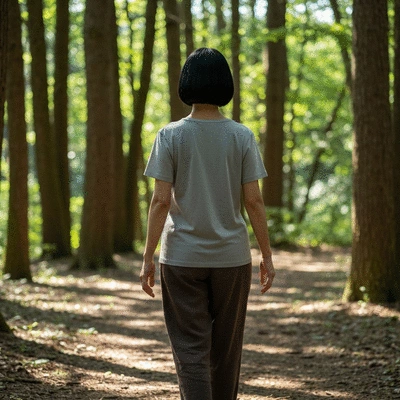
Defining Walking Meditation: How It Works
- ✓ Mindfulness of Movement
- ✓ Breath Awareness
- ✓ Environmental Awareness
Focus on physical sensations, breath coordination, and surrounding elements.
The Mindfulness Connection: Integrating Awareness
- ✓ Focus on Each Step
- ✓ Synchronize Your Breath
- ✓ Be Present (Return Focus)
Sync awareness with movement for a profound meditative state.
The Complete Guide to Walking Meditation: Understanding the Basics
Walking meditation is a practice that combines the physical act of walking with mindfulness techniques. At Fairfax Fitness, I believe that this form of meditation can make the concept of mindfulness more accessible, especially for beginners. The beauty of walking meditation is its simplicity; it allows you to engage your body while cultivating a calm and focused mind. Are you ready to explore how this practice works?
In essence, walking meditation involves slow, intentional movements paired with deep awareness of your surroundings and your body. As you walk, you pay attention to each step, every breath, and the sensations that arise in your body. This practice not only promotes relaxation but also enhances your ability to stay present in the moment. Let’s dive deeper into the fundamentals!
Defining Walking Meditation: What It Is and How It Works
Walking meditation is a form of active meditation where you focus your attention on the act of walking. It’s not just about moving from one place to another; it’s about being present in the movement. When you engage in this practice, you can experience a sense of peace and grounding. Here’s how it works:
- Mindfulness of Movement: You concentrate on the physical sensations of your feet touching the ground.
- Breath Awareness: Coordinating your breathing with your steps can enhance relaxation.
- Environmental Awareness: Noticing the sights, sounds, and smells around you helps foster a connection with your environment.
To get started, all you need is a quiet space and a willingness to be present. As you begin to walk with intention, you’ll find that your mind starts to clear, allowing for greater mental clarity. This clarity can also be achieved through other techniques, such as those discussed in Practical Stress Management Techniques.
The Mindfulness Connection: Integrating Awareness into Movement
Integrating mindfulness into your walking practice elevates the experience from mere physical activity to a profound meditative state. It’s about syncing your awareness with movement, which can be incredibly grounding. So how do we achieve this?
- Focus on Each Step: Pay attention to how your foot lifts, moves forward, and touches the ground.
- Synchronize Your Breath: Inhale for a few steps, then exhale for a few more—this rhythm creates harmony.
- Be Present: When distractions arise, gently bring your focus back to your breath and your steps.
By consciously directing your attention, you’ll find that walking becomes a form of moving meditation. It can be incredibly fulfilling, providing a unique opportunity for self-discovery.
The Role of Body Awareness in Walking Meditation
Body awareness is a crucial element of walking meditation. It’s not just about where you are walking but how your body feels throughout the process. At Fairfax Fitness, I emphasize the importance of tuning into your body sensations to enhance your practice.
- Posture Check: Ensure your posture is relaxed but upright, allowing for free movement.
- Sensory Engagement: Pay attention to how your legs feel as they carry you; notice any tension or ease.
- Grounding Effects: Feel the connection between your feet and the earth; this can be immensely calming.
As you cultivate body awareness, you’ll discover that walking meditation can help release physical tension while simultaneously nurturing your mind. This holistic approach fosters a deep connection between your body and mind, ultimately leading to a more fulfilling practice.
Interactive Poll: Your Experience with Walking Meditation
Have you ever tried walking meditation? We'd love to hear your thoughts! Please take a moment to share your experience:
Integrating Walking Meditation into Daily Life
Integrating walking meditation into your daily routine can be a game-changer! It allows you to experience mindfulness throughout your day, even amidst your busy schedule. With Fairfax Fitness's support, you can learn to incorporate this practice seamlessly, making it an enriching part of your everyday life. Let's dive into how to do this!
Creating a Routine: Making Walking Meditation Part of Your Day
To truly benefit from walking meditation, creating a consistent routine is essential. Establishing a specific time each day can help solidify this practice as a habit. Here are some tips to get you started:
- Choose a time: Early mornings or late evenings often offer a quieter environment.
- Set reminders: Use alarms or calendar notifications to prompt your practice.
- Pair with existing habits: Incorporate walking meditation before or after your regular workouts.
By making walking meditation part of your daily routine, you'll find it easier to stay committed. Remember, consistency is key, and even short sessions can have a profound impact! For more on establishing healthy habits, see Better Sleep with a Night Routine.
Adapting Your Practice: Walking Meditation for Different Environments
Your walking meditation practice can be adapted to suit various environments. Whether you're in a bustling city or a serene park, you can still cultivate mindfulness. Here’s how:
- Urban settings: Focus on your surroundings—notice sounds, smells, and sights.
- Nature trails: Embrace the tranquility of nature; let it enhance your meditative experience.
- Indoor spaces: If outdoors isn't an option, even a small space can work—just be mindful of your steps!
Adapting your practice will allow you to engage fully with your environment and make meditation more accessible. Don't hesitate to experiment and see what works best for you!
Exploring Nature Connection: The Benefits of Outdoor Meditation
One of the most rewarding aspects of walking meditation is the opportunity to connect with nature. Practicing outdoors can boost your mindfulness experience in several ways:
- Fresh air: Breathing in nature can improve your mood and mental clarity.
- Natural beauty: Surrounding yourself with greenery can enhance feelings of peace and calm.
- Physical activity: Walking on different terrains engages your body in new ways, which can feel refreshing!
At Fairfax Fitness, we understand the importance of nature in wellness. So next time you step out for your walking meditation, take a moment to appreciate the world around you. It’s a beautiful way to enrich your practice!
Frequently Asked Questions About Walking Meditation
What is walking meditation?
Walking meditation is an active form of meditation that combines the physical act of walking with mindfulness techniques. It involves focusing on each step, breath, and sensory experience to cultivate mental clarity and presence.
How do I synchronize my breath with my movements?
You can synchronize your breath by inhaling for a few steps and then exhaling for a few steps, creating a rhythmic harmony. This helps to deepen relaxation and focus.
What is the role of body awareness in walking meditation?
Body awareness involves paying attention to your posture, the sensations in your legs and feet, and the connection between your feet and the ground. This helps release tension, nurture your mind, and create a grounding effect.
How can I make walking meditation a part of my daily routine?
To integrate walking meditation into your routine, choose a consistent time (e.g., mornings or evenings), set reminders, and try pairing it with existing habits like your regular workout schedule. Consistency is key.
Can I practice walking meditation in different environments?
Yes, walking meditation can be adapted to various environments. In urban settings, focus on your surroundings. In nature, embrace the tranquility. Even indoors, you can practice mindful steps in a small space.
What are the benefits of outdoor walking meditation?
Outdoor walking meditation offers benefits such as fresh air for mental clarity, natural beauty for peace and calm, and physical activity on varied terrains, which can enhance mood and physical engagement.
Recap of Key Points
Here is a quick recap of the important points discussed in the article:
- Mindfulness of Movement: Focus on the physical sensations of your feet touching the ground to enhance your meditation experience.
- Breath Awareness: Coordinate your breathing with your steps to promote relaxation and mental clarity.
- Environmental Awareness: Connect with your surroundings by noticing sights, sounds, and smells while walking.
- Consistency is Key: Establish a daily routine to integrate walking meditation into your life effectively.
- Adapt to Different Environments: Tailor your practice to suit urban, nature, or indoor settings for maximum benefit.
- Benefits of Nature: Practicing outdoors can boost mood, enhance peace, and engage your body differently.
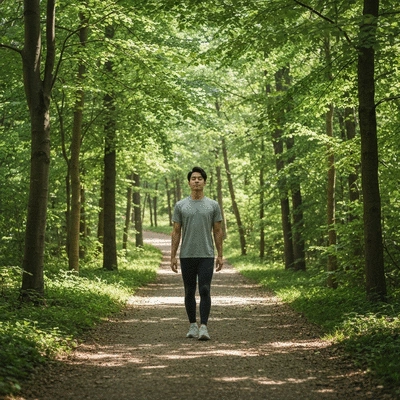
Final content section.
About Me

Welcome to Fairfax Fitness!
I'm Jordan H. Emerson, a dedicated health and fitness enthusiast passionate about empowering individuals on their wellness journeys. With a background in health sciences and years of personal training experience, I share actionable insights and trusted advice to help you achieve your health goals and build sustainable habits. My goal is to empower you with the knowledge and tools you need to foster lasting wellness and mental clarity.
Recent Posts

Effective Strategies for Weight Maintenance
2026-10-08
Nurturing Your Health Goals Together
2026-10-07