Mindfulness Beyond Meditation: Key Aspects
- ✓Awareness: Noticing thoughts and feelings without judgment.
- ✓Presence: Engaging fully in the current activity.
- ✓Acceptance: Acknowledging experiences as they are.
Apr 30
Research shows that incorporating mindfulness into your daily routine can significantly enhance your overall well-being. As you explore this broader perspective of mindfulness, you'll discover practical applications that fit seamlessly into your lifestyle.
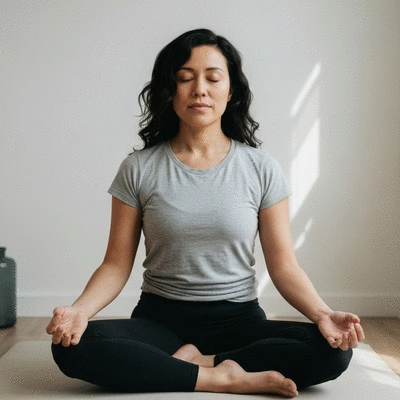
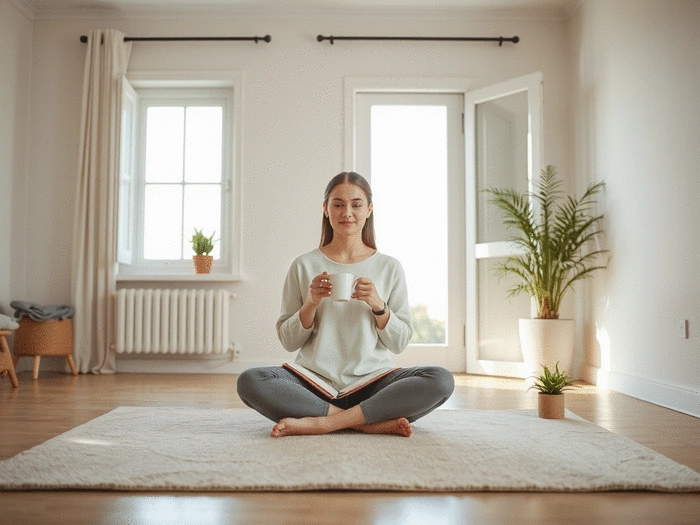
Mindfulness extends beyond meditation, embracing awareness, presence, and acceptance to enhance well-being and physical health.
Mindfulness is often seen just as a practice involving meditation, but it encompasses so much more! At Fairfax Fitness, we believe that understanding mindfulness can profoundly affect your journey toward wellness. It’s about being present and aware of your thoughts, feelings, and bodily sensations in a non-judgmental way. By expanding our definition of mindfulness, we can integrate it into various aspects of our lives, enhancing both mental and physical well-being.
Rather than being confined to quiet moments on a meditation cushion, mindfulness can be woven into our daily routines. It’s in the way we engage with our meals, interact with others, and even approach our fitness goals. So, how can we truly embrace this broader perspective on mindfulness?
Mindfulness is more than just a moment of silence; it’s a lifestyle choice! It invites us to experience life fully and to be aware of the present moment's richness. Here are some key aspects to consider: Understanding meditation types and benefits can further clarify how mindfulness integrates into various practices.
When we begin to incorporate these elements into our lives, we start to nurture a more fulfilling existence. By viewing mindfulness through this lens, we can unlock its transformative power!
The roots of mindfulness trace back to ancient Buddhist teachings, where it was regarded as an essential practice for achieving enlightenment. This historical perspective gives us insight into its profound impact on mental clarity and emotional stability. Mindfulness, or "sati" in Pali, emphasizes awareness and memory of the present moment, guiding practitioners to observe their thoughts and feelings without attachment.
Today, elements of this ancient wisdom are being embraced in modern psychological practices, forming a bridge between traditional teachings and contemporary mental health approaches. As we incorporate these insights into our own lives, we can connect with our inner selves and cultivate a deeper understanding of our experiences.
Research increasingly supports the notion that mindfulness positively affects our physical health. By fostering a strong mind-body connection, mindfulness can lead to reduced stress and improved overall well-being. Here’s how mindfulness can enhance our physical health:
Incorporating mindfulness into your daily routine can create ripple effects, improving not just mental clarity but also physical health. At Fairfax Fitness, we invite you to explore these connections as part of your wellness journey!
Now that we’ve covered the broader perspective of mindfulness, let’s delve into the practical applications. Mindfulness is not just a concept; it can be woven seamlessly into our everyday lives!
How do you currently incorporate mindfulness into your daily routine? Share your thoughts and techniques below:
At Fairfax Fitness, we believe that embracing mindfulness involves more than just sitting in stillness. It’s about integrating mindfulness into every aspect of your life! I’ve found that starting this journey can be as simple as taking small, intentional steps that fit your lifestyle. Here are some key steps to kickstart your mindfulness journey beyond traditional meditation:
These small adjustments can make a big difference! When I first started, I noticed that integrating mindfulness into my daily routine not only helped me feel more grounded but also made me more aware of my thoughts and feelings. This increased awareness is the foundation of a fulfilling mindfulness practice. For more strategies on enhancing your well-being, explore strategies for lasting happiness.
Creating a personalized mindfulness practice plan is essential for staying engaged and committed. Start by assessing what areas of your life you want to focus on. Consider these questions: What do you want to achieve with mindfulness? How does your day-to-day schedule look? Tailoring your plan to fit your unique needs can enhance your experience.
As I crafted my own mindfulness practice plan, I found that flexibility was key. Some days I felt like journaling, while others were perfect for a nature walk. It’s about finding what works for you and making it enjoyable!
Breathing techniques are powerful tools for enhancing mindfulness and relaxation. Whenever I feel overwhelmed, I pause to focus on my breath. This simple act can promote calmness and clarity. Here are a few techniques you can easily incorporate into your daily routine:
Integrating these breathing techniques into your day can help ground you in the present moment and reduce stress. I've noticed that even a few minutes of mindful breathing can shift my mood and enhance my focus, making it a staple in my mindfulness toolkit!
As you embark on this mindfulness journey, it’s important to connect with others who share your interests. Joining mindfulness communities and workshops can provide support, insights, and motivation. Engaging with like-minded individuals can enhance your experience and deepen your understanding of mindfulness.
Participating in mindfulness communities or workshops is a great way to deepen your practice. Here are some suggestions on how to find and engage with these resources:
By joining these communities, I’ve been able to share experiences, ask questions, and learn from others. The connections I’ve made have enriched my practice and encouraged me to stay accountable!
Self-compassion is a vital component of mindfulness. It allows us to approach our thoughts and feelings with kindness rather than judgment. I’ve found that practicing self-compassion enhances my mindfulness journey by promoting a more positive relationship with myself. Here are a few tips to incorporate self-compassion into your practice:
Embracing self-compassion has made my mindfulness practice feel more sustainable and enjoyable. It’s a gentle reminder that we are all human and deserving of our own kindness!
Now is the perfect time to dive into your mindfulness exploration! Whether you’re just starting or looking to deepen your practice, remember that every little step counts. I encourage you to try out some of the techniques and strategies discussed in this section. Set a small goal for yourself and see how it transforms your day-to-day experiences. Let’s embark on this journey together—your path to mindfulness awaits! For further insights into mental well-being, consider exploring practical stress management techniques.
Here is a quick recap of the important points discussed in the article:
I'm Jordan H. Emerson, a dedicated health and fitness enthusiast passionate about empowering individuals on their wellness journeys. With a background in health sciences and years of personal training experience, I share actionable insights and trusted advice to help you achieve your health goals and build sustainable habits. My goal is to empower you with the knowledge and tools you need to foster lasting wellness and mental clarity.