Sep 14
Tracking Weight Loss: Methods and Apps
Did you know that tracking your food intake and physical activity can significantly enhance your weight loss journey? By simply keeping a log, you not only develop a better understanding of your habits but also empower yourself to make informed choices. Let’s dive into the key insights that can transform your approach to weight loss!
What You Will Learn
- Effective tracking helps create a calorie deficit, essential for weight loss.
- Self-monitoring increases awareness of portion sizes and high-calorie foods.
- Consistent tracking reinforces adherence to weight loss plans, leading to better outcomes.
- Mixing tracking methods can prevent fatigue and keep you engaged in your journey.
- Choosing a tracking method that fits your lifestyle enhances the likelihood of long-term success.
Tracking Methods for Weight Loss
Understanding various tracking methods can significantly impact your weight loss journey. Below is a comparison of popular methods, highlighting their benefits and drawbacks to help you choose what works best for you. For more insights into managing your dietary intake, consider decoding nutrition labels to make informed food choices.

Manual Entry
A traditional approach offering full customization but can be time-consuming.
Barcode Scanning
Fast and easy for packaged items, but limited for fresh produce.
Photo Logging
Provides visual accountability but may lack portion accuracy.
Wearable Devices
High-tech tracking of various metrics, but can be costly.
Understanding the Importance of Tracking in Weight Loss
When it comes to weight loss, tracking is a game changer! At Fairfax Fitness, we emphasize how crucial it is to understand your eating habits and physical activity. Tracking helps you create a calorie deficit, which is key to shedding those extra pounds. By self-monitoring what you eat and how much you move, you gain valuable insights into your habits that can guide your decisions.
Many people find that simply keeping a log of their meals can lead to increased awareness about portion sizes and high-calorie foods. This awareness not only fosters healthier choices but also encourages accountability. So, let’s delve into the connection between tracking and weight loss success!
How Tracking Affects Weight Loss Success
Tracking is more than just jotting down numbers; it’s about understanding the relationship between your intake and your output. By consistently monitoring your daily calories, you can identify patterns that may be hindering your progress. Self-monitoring allows you to adjust your diet and workouts in real time, leading to more effective weight loss outcomes! To achieve sustainable results, it's also important to consider your realistic weight loss goal setting.
- Increased Awareness: Recognizing what you eat each day can help pinpoint areas for improvement.
- Accountability: When you track your food, you're less likely to indulge mindlessly.
- Behavior Modification: Changing your habits becomes easier when you can visualize your progress.
At Fairfax Fitness, we encourage you to make tracking a part of your daily routine. It may seem tedious at first, but over time, you’ll notice how empowering it is to take control of your journey!
The Psychology Behind Tracking for Long-Term Success
The psychology of tracking reveals fascinating insights into our behaviors and motivations. Research shows that individuals who actively track their progress are more likely to adhere to their weight loss plans. This adherence is often linked to a sense of achievement and satisfaction that comes with seeing results! However, it’s also important to address the concept of tracking fatigue, which can occur when the process feels burdensome.
- Adherence: Consistent tracking reinforces positive behaviors and habits.
- Motivation: Seeing progress can boost your motivation to continue.
- Tracking Fatigue: It’s crucial to find a balance to avoid feeling overwhelmed by the process.
To mitigate tracking fatigue, consider mixing up your methods or using apps that simplify the process. Remember, staying engaged is essential for long-term success, and finding what works best for you is key!
Exploring Effective Tracking Methods for Weight Loss
Now that we've covered the importance of tracking, let's explore some effective methods you can use. The way you track can greatly influence your journey, and it's essential to find the right fit for your lifestyle and preferences. Here’s a comprehensive look at various tracking methods!
Comparing Tracking Methods: Pros and Cons
| Method | Pros | Cons |
|---|---|---|
| Manual Entry | Traditional approach, customizable | Time-consuming and prone to errors |
| Barcode Scanning | Fast and easy to log foods | Limited to packaged items |
| Photo Logging | Visual accountability | May not capture portion sizes accurately |
| Voice Logging | Hands-free, convenient | Accuracy can vary based on voice recognition |
| Wearable Devices | High-tech, tracks various metrics | Can be costly and require charging |
It’s important to weigh the pros and cons of each tracking method. By choosing one that resonates with you, you’ll be more likely to stick with it—making your weight loss journey not only effective but also enjoyable!
Manual Entry: Traditional Yet Effective
Manual entry is one of the oldest methods of tracking calories, and it remains popular for its simplicity and flexibility. You can write down everything you eat in a notebook or use a digital platform. The main advantage is that it gives you complete control over what you log. However, it can be time-consuming, especially if you’re tracking every little detail.
Barcode Scanning: Convenience at Your Fingertips
Barcode scanning has revolutionized the way we track our food. Many apps allow you to simply scan the barcode on food packaging, making it quick and efficient. While this method is very convenient, it typically works best for packaged foods, leaving out fresh produce and homemade meals.
Photo Logging: Visual Accountability
Photo logging has gained traction as a way to track meals visually. By taking pictures of everything you consume, you create a visual diary of your food choices. This method can boost accountability, as the act of photographing your meals can make you more mindful of what you eat! The downside is that it may not accurately reflect portion sizes.
Voice Logging: Hands-Free Tracking Solutions
Voice logging is an innovative way to track your intake without needing to type it out. Using voice commands, you can log what you eat while on the go! This method is particularly useful if you have a busy lifestyle, but it can sometimes lead to inaccuracies in how items are recorded.
Wearable Devices and Smart Scales: High-Tech Tracking
Wearable devices like Fitbit and smart scales take tracking to another level. They can measure not just weight but also activity levels, heart rate, and more. This high-tech approach can enhance accuracy and make tracking feel more engaging! However, keep in mind that these devices often come with a higher price tag.
Integrating Health Apps for Comprehensive Tracking
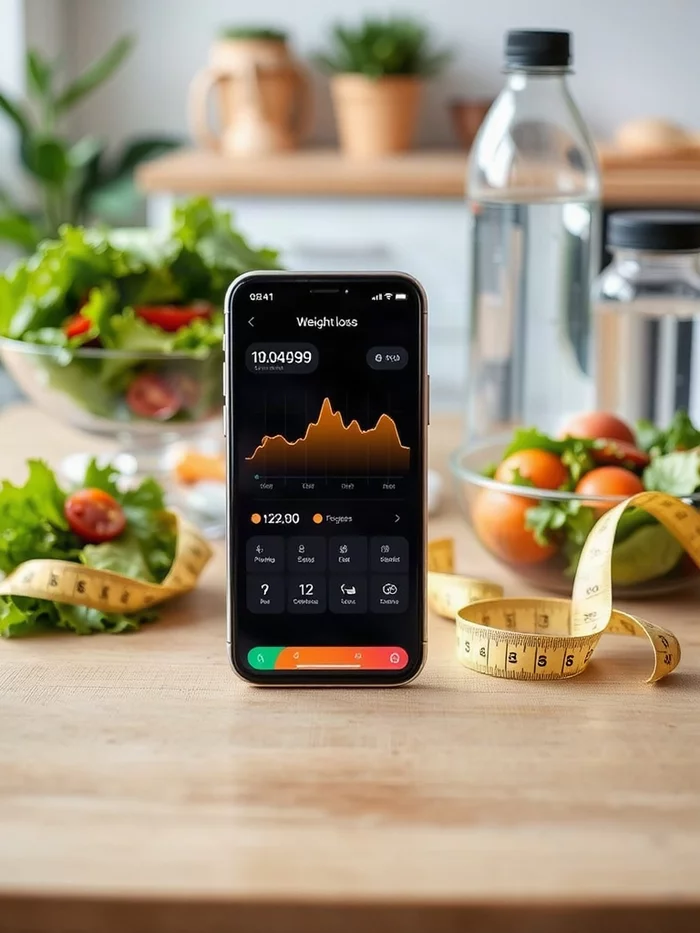
Many people find success by using apps like MyFitnessPal, Noom, or Lose It! These apps offer comprehensive features that make tracking easier and more efficient. They often include food databases, community support, and progress graphs, helping you stay motivated!
In conclusion, exploring different tracking methods is essential to finding the one that best fits your needs. Remember, the key to weight loss success is consistency—and the right tracking method can make all the difference in your journey! Moreover, understanding the role of accountability and support can further enhance your results.

As we wrap up our discussion on tracking in weight loss, it’s essential to acknowledge the profound impact effective tracking can have on reaching your goals. Tracking is not just about counting calories; it’s about understanding your habits and making informed decisions that lead to sustainable changes. By utilizing the right tools and methods, you're setting yourself up for success!
- Tracking helps establish accountability for your food choices.
- It encourages self-reflection, allowing you to see patterns in your eating and exercise habits.
- Utilizing technology can simplify the process and maintain your motivation.
With these points in mind, remember that the effectiveness of your tracking methods directly correlates with your ability to achieve a calorie deficit and maintain consistency. Whether you prefer manual entry, barcode scanning, or using smart devices, the right approach makes all the difference.
Summarizing the Impact of Effective Tracking
Let’s recap the key elements of successful tracking that can propel you toward your weight loss goals. By integrating a combination of tracking methods, you can foster a clearer understanding of your nutritional intake and physical activity levels:
- Self-Monitoring: Regularly logging your meals and workouts reinforces your commitment to your goals.
- Adaptability: Find a tracking method that fits your lifestyle, making it easier to stick with it long-term.
- Engagement: Use apps and devices that keep you motivated through reminders and progress tracking.
At Fairfax Fitness, we believe that effective tracking is a cornerstone of your wellness journey. It brings awareness and helps you identify what works best for you, making your path to weight loss smoother and more enjoyable!
About Me

Welcome to Fairfax Fitness!
I'm Jordan H. Emerson, a dedicated health and fitness enthusiast passionate about empowering individuals on their wellness journeys. With a background in health sciences and years of personal training experience, I share actionable insights and trusted advice to help you achieve your health goals and build sustainable habits. My goal is to empower you with the knowledge and tools you need to foster lasting wellness and mental clarity.
Recent Posts

Effective Strategies for Weight Maintenance
2026-10-08
Nurturing Your Health Goals Together
2026-10-07