Sleep's Impact on Metabolism & Hormones
Quality Sleep
- Enhances energy use
- Supports healthy hormones
- Improves metabolic rate
Sleep Deprivation
- Decreased metabolic rate
- Increased ghrelin (hunger)
- Decreased leptin (fullness)
Apr 09
What if the secret to managing your weight lies not just in your diet or exercise routine, but in the quality of your sleep? Research indicates that sleep plays a vital role in regulating metabolism and appetite, making it essential for effective weight management.
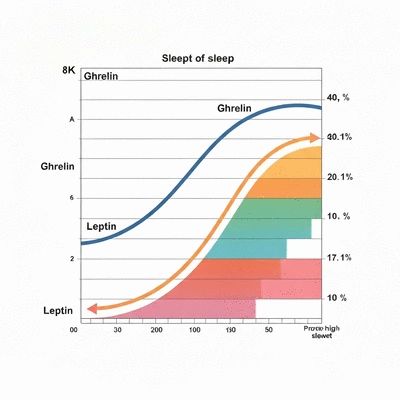
This visual illustrates how sleep impacts various aspects of weight management, from metabolism to hormonal balance and practical steps you can take.
Are you aware of how your sleep quality can significantly impact your weight management journey? It’s more than just feeling rested; sleep plays a crucial role in regulating your metabolism and overall energy balance. At Fairfax Fitness, we understand that many people overlook the importance of sleep when it comes to achieving their health goals. By enhancing your sleep patterns, you can create an environment conducive to successful weight management! For further support in your health journey, you might also find our article on Mindset Matters in Weight Loss particularly helpful.
In this section, we’ll explore the fascinating connection between sleep and weight management, focusing on the various factors that come into play. Understanding how sleep affects your metabolism can empower you to make smarter choices for your health. Let's dive into how quality sleep influences metabolism and energy levels.
Did you know that the quality of your sleep can directly influence your metabolic rate? Research shows that inadequate sleep can lead to a decreased metabolic rate, meaning your body burns fewer calories at rest. This is particularly important when you're trying to manage your weight, as every calorie counts!
By ensuring you get enough quality sleep, you can improve your metabolic function, making it easier to achieve your weight management goals. Just imagine waking up feeling refreshed and ready to tackle your day with an energized body!
Let’s look at the link between sleep deprivation and rising obesity rates. Studies indicate that a lack of sleep can lead to hormonal imbalances that affect your appetite. Specifically, decreased sleep can cause an increase in ghrelin (the hunger hormone) and a drop in leptin (the fullness hormone).
As you can see, sleep plays a vital role in regulating these hormones, and without enough rest, your body might signal you to consume more calories than necessary. Prioritizing sleep can help you regain control over your appetite and make healthier eating choices. To further understand how your body processes food and energy, consider reading our guide on Understanding Macronutrients: A Beginner's Guide.
Circadian rhythms are like your body's internal clock, guiding your sleep-wake cycles and influencing when you feel awake or sleepy. These rhythms are closely tied to the natural light-dark cycle, affecting the release of melatonin, the hormone responsible for sleep. Disrupting your circadian rhythm—such as staying up late or working irregular hours—can negatively impact your sleep quality.
Understanding and respecting your body's circadian rhythms can lead to better sleep quality, ultimately supporting your weight management efforts. By making small adjustments to your daily routine, you can enhance your sleep and, in turn, your health journey.
To enhance your sleep quality, consider incorporating a consistent wind-down routine into your evenings. Activities such as reading, gentle stretching, or meditative breathing can signal to your body that it's time to relax, ultimately leading to better sleep and improved metabolic function. For more ideas on establishing a beneficial evening ritual, explore our post on Better Sleep with a Night Routine.
A: Quality sleep enhances your metabolic function, allowing your body to burn calories more efficiently and regulate energy use. Inadequate sleep can slow down your metabolic rate, making weight management more challenging.
A: Sleep directly affects ghrelin (the hunger hormone) and leptin (the fullness hormone). Sleep deprivation can increase ghrelin and decrease leptin, leading to increased appetite and cravings.
A: Yes, lack of sleep can contribute to weight gain by disrupting hormonal balance, increasing appetite for unhealthy foods, and decreasing your metabolic rate. It can also impair insulin sensitivity.
A: Circadian rhythms are your body's natural internal clock that regulates sleep-wake cycles. Maintaining consistent circadian rhythms through regular sleep schedules helps optimize sleep quality, hormone regulation, and metabolic function, all crucial for weight management.
A: Practical steps include setting a consistent sleep schedule, creating a calming bedtime routine, limiting screen time before bed, and incorporating relaxation techniques like deep breathing or meditation.
As we've explored throughout this article, the quality of your sleep plays a crucial role in achieving your weight management goals and supporting metabolic health. Quality sleep not only helps regulate appetite and hormonal balance but also enhances your body's ability to process and utilize energy effectively. In short, prioritizing sleep can be a game-changer on your wellness journey!
To recap, here are the key takeaways regarding sleep and weight management:
By understanding these connections, you're better equipped to make informed choices that positively impact your health.
Now that you have a clearer picture of how sleep influences weight management, it's time to take action! Consider implementing the strategies we've discussed, like practicing good sleep hygiene and establishing a consistent sleep routine. Remember, even small adjustments can lead to significant improvements in your overall wellness.
Here are some practical steps to get started:
Improving your sleep can lead to better weight outcomes, making it an essential aspect of your wellness journey.
I’d love to hear from you! Have you noticed any connections between your sleep patterns and your weight management efforts? What strategies have you found effective in improving your sleep quality? Share your experiences in the comments section below—let’s support each other on our journeys to wellness!
Here is a quick recap of the important points discussed in the article:
I'm Jordan H. Emerson, a dedicated health and fitness enthusiast passionate about empowering individuals on their wellness journeys. With a background in health sciences and years of personal training experience, I share actionable insights and trusted advice to help you achieve your health goals and build sustainable habits. My goal is to empower you with the knowledge and tools you need to foster lasting wellness and mental clarity.