Global Dietary Supplement Market Growth
>$200 Billion
Projected market size by 2026, indicating significant industry expansion.
Apr 16
The global dietary supplement market is projected to exceed $200 billion by 2026, reflecting a growing awareness of health and wellness. As you navigate this expanding landscape, understanding what dietary supplements can do for you is crucial. Here, we'll explore the essential insights to help you make informed choices in your health journey.
Explore key statistics and trends shaping the dietary supplement market, from overall growth to specific uses by consumers.
Projected market size by 2026, indicating significant industry expansion.
Of adults in the U.S. regularly take some form of dietary supplement.
Younger adults are increasingly using supplements for fitness and wellness.
In today's world, the quest for optimal health often leads us to explore the realm of dietary supplements. But what are these supplements, and why do we use them? Essentially, dietary supplements are products that provide essential nutrients—like vitamins and minerals—that may be lacking in our diets. They're designed to complement our food intake and offer a convenient way to ensure we're meeting our nutritional needs. Understanding macronutrients can further clarify how supplements fit into a balanced diet.
At Fairfax Fitness, we recognize that understanding the purpose behind these supplements is vital. Many people turn to them for various reasons, such as improving overall health, enhancing athletic performance, or addressing specific deficiencies. The key is knowing how to use them wisely and effectively!
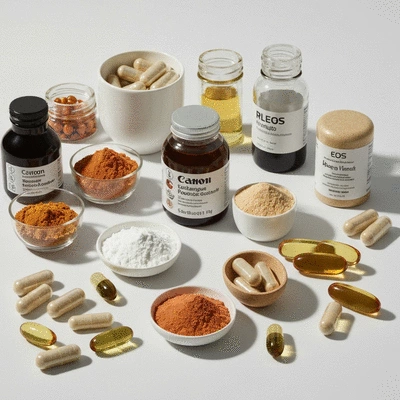
Dietary supplements come in many forms, including pills, powders, and liquids. They can contain a range of ingredients, from vitamins and minerals to herbs and amino acids. Their primary purpose is to fill nutritional gaps, support health, and sometimes even prevent disease.
Understanding your specific needs is crucial when considering dietary supplements. It's always best to approach them as part of a balanced diet and not as a replacement for healthy foods!
The supplement industry has seen a boom over the past few years, with millions of people turning to these products for health enhancement. Statistics show that more than half of adults in the U.S. regularly take some form of dietary supplement!
This growth is fueled by various factors, including increased health awareness and the desire for preventive healthcare. As we navigate this landscape, it's essential to stay informed about the trends and what they mean for our health. Inflammation's role in chronic disease is one area where proper nutrition and supplementation can play a supportive role.
As this industry evolves, so does the need for critical thinking when choosing which supplements to incorporate into our diets!
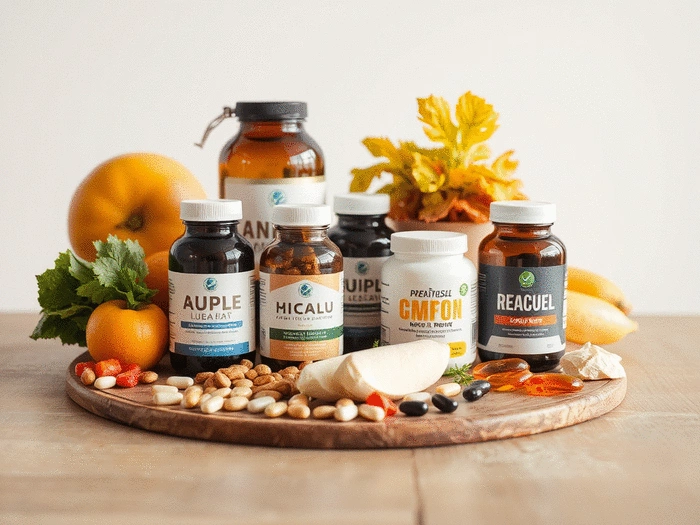
Dietary supplements are diverse and can include various categories. Here’s a brief overview of the main types:
Understanding these categories can help you make more informed choices about what to integrate into your wellness routine.
Vitamins are vital for our body's functions, and each type serves a unique purpose. Here are a few common ones:
Incorporating these vitamins can significantly enhance your well-being. At Fairfax Fitness, we encourage you to consider how these vitamins fit into your dietary patterns!
Minerals are just as important as vitamins and can often be overlooked. Here are some essential minerals:
Each mineral has its role, contributing to overall health. It's important to understand your specific needs when considering mineral supplements!
Herbal supplements are derived from plants and are used for various health benefits. They're popular for their natural origins, but it's essential to approach them with caution:
While herbal supplements can offer benefits, it's crucial to consult with a healthcare provider to avoid any potential interactions or side effects. At Fairfax Fitness, we're here to guide you through these choices, ensuring you have the best tools for your wellness journey! Practical stress management techniques can also complement the holistic benefits sought from certain herbal supplements.
Did you know? To maximize the benefits of dietary supplements, pair them with a balanced diet rich in whole foods. This not only enhances nutrient absorption but also ensures you’re getting a variety of essential vitamins and minerals from natural sources.
Dietary supplements are products designed to provide nutrients—such as vitamins, minerals, herbs, or amino acids—that may be missing or not consumed in sufficient quantities in a person's diet. They come in various forms like pills, powders, and liquids, acting as a complement to food intake.
People use dietary supplements for various reasons, including improving overall health, enhancing athletic performance, addressing specific nutritional deficiencies, and sometimes for disease prevention. They help fill nutritional gaps and support bodily functions.
The main types of dietary supplements include vitamins (organic compounds essential for bodily functions), minerals (inorganic substances crucial for health), and herbal supplements (plant-derived products used for their potential health benefits).
To make informed choices, research ingredients and their proven benefits, look for scientific evidence supporting claims, consult trusted sources like healthcare providers or registered dietitians, be wary of extravagant claims, and check for third-party testing to ensure safety and reliability.
Yes, it is crucial to have an open dialogue with your healthcare provider about any supplements you are considering or currently taking. This helps prevent potential interactions with medications or existing health conditions and ensures the supplements align with your health goals.
When it comes to dietary supplements, making informed choices is crucial for your health journey. At Fairfax Fitness, we believe that understanding what you’re putting into your body can significantly impact your wellness. So let’s break down some key takeaways that will help you select effective dietary supplements confidently!
By keeping these takeaways in mind, you can avoid many common pitfalls and choose supplements that truly benefit your health. Remember, it’s all about making educated decisions for your body!
Communication is key when it comes to your health! I encourage you to have an open dialogue with your healthcare provider about any supplements you’re considering or currently taking. Here are some tips to make that conversation productive:
Having these conversations not only enhances your safety but also empowers you to make the best decisions for your wellness journey!
Here is a quick recap of the important points discussed in the article:
I'm Jordan H. Emerson, a dedicated health and fitness enthusiast passionate about empowering individuals on their wellness journeys. With a background in health sciences and years of personal training experience, I share actionable insights and trusted advice to help you achieve your health goals and build sustainable habits. My goal is to empower you with the knowledge and tools you need to foster lasting wellness and mental clarity.