Jul 11
Eat Healthy Without Breaking Bank
Did you know that eating healthy on a budget is not only possible but can also be enjoyable? Many people are deterred by the misconception that nutritious food is expensive, but this article sheds light on practical strategies that can make healthy eating affordable. Here’s what you’ll learn!
What You Will Learn
- Healthy foods can sometimes be more expensive due to factors like supply chain issues and seasonal availability.
- Common myths, such as the belief that healthy eating is only for the wealthy, can discourage budget-conscious individuals.
- Understanding nutritional labels is crucial for making informed food choices that align with your budgetary and health goals.
- Utilizing community resources, such as food banks and local programs, can provide access to affordable nutritious food.
- Digital tools and apps can streamline meal planning, budgeting, and tracking nutritional intake effectively.
Navigating Healthy Eating on a Budget: Key Challenges & Solutions
Understanding why nutritious food can be perceived as expensive, combating common misconceptions, and leveraging resources can make healthy eating affordable. Below are key areas to focus on.
Why Costs Can Be High
- High demand for organic produce
- Sustainable farming expenses
- Limited shelf life of fresh items
- Premium at specialty stores
Common Misconceptions
- Only for the wealthy
- Takes too much time
- Organic is always better
- Healthy snacks are expensive
Key Label Components
- Serving size
- Calories per serving
- Ingredients list
- Vitamins/minerals/fiber
Community Resources
- Food banks & pantries
- Community gardens
- Nutrition workshops
- Government programs (SNAP)
Digital Tools & Apps
- Meal planning apps
- Grocery list & price trackers
- Budget-friendly recipe sites
- Nutrition trackers (MyFitnessPal)
Key Strategies Recap
- Weekly meal planning
- Take inventory at home
- Utilize community resources
- Smart ingredient choices
Understanding the Challenge of Eating Healthy on a Budget
Eating healthy doesn’t have to break the bank, but many people find it challenging. The perception that nutrition costs can be high often discourages individuals from making healthier choices. At Fairfax Fitness, I understand the struggle of balancing a budget while striving for a nutritious diet. In this section, we’ll explore why these costs can be high and how you can navigate them effectively!
Why Nutrition Costs Can be High
One primary reason is that healthy foods, such as fresh fruits and vegetables, can sometimes cost more than processed options. Factors contributing to these prices include supply chain issues, seasonal availability, and packaging costs. Understanding these dynamics can help you make more informed choices about your grocery shopping. For instance, focusing on understanding macronutrients can guide you to affordable, nutrient-dense options. Here’s a quick look at some common reasons why you might find healthy food costs a bit steep:
- High demand for organic and fresh produce
- Costs associated with sustainable farming practices
- Limited shelf life of fresh items
- Premium prices at specialty health stores
But don't let these costs deter you! Understanding where to shop and how to choose can make a significant difference.
Common Misconceptions About Healthy Eating
There are several misconceptions about what it means to eat healthily on a budget. Many believe that healthy eating requires expensive superfoods or specialty ingredients, which is simply not true! In fact, you can make nutritious meals with everyday ingredients that are affordable. Here are a few myths to bust:
- Healthy eating is only for the wealthy.
- Cooking healthy meals takes too much time.
- Organic foods are always better.
- Healthy snacks are always more expensive.
By overcoming these misconceptions, you can approach your nutritional journey with a clearer perspective and a plan!
Understanding Nutritional Labels for Better Choices
Navigating the grocery store can feel overwhelming, especially with all the labels and claims on packaging. However, understanding nutritional labels is crucial for making informed decisions. Take a moment to check for the following key components:
- Serving size: This helps you understand how much you're actually consuming.
- Calories: Keep an eye on your daily intake without going overboard.
- Ingredients list: Look for whole, recognizable ingredients instead of additives and preservatives.
- Nutrition facts: Pay attention to vitamins, minerals, and fiber content.
By being savvy about nutrition labels, you can make better choices that fit your budget and health goals! Together, we can navigate these challenges and empower you to make nutritious choices without overspending.
Pro Tip
Did you know? Planning your meals around seasonal produce can significantly lower your grocery costs while ensuring you get the freshest nutrients! Seasonal fruits and vegetables are often less expensive and taste better, providing you with more value for your money.
Maximizing Value: Additional Resources for Budget-Friendly Nutrition
When it comes to eating healthy on a budget, taking advantage of available resources can make all the difference! Many communities offer programs aimed at supporting individuals and families who are looking to optimize their nutrition without breaking the bank. These resources can provide valuable assistance, so let’s dive into some options that you might find helpful.
Community Resources for Food Assistance
Many neighborhoods have organizations and programs dedicated to helping residents gain access to affordable, nutritious food. Here are some community resources to consider:
- Food banks and pantries that provide free or low-cost groceries
- Community gardens that allow you to grow your own fresh produce
- Local non-profits offering cooking classes and nutrition workshops
- Government programs like SNAP (Supplemental Nutrition Assistance Program) that provide financial assistance for food
Don’t hesitate to reach out to local organizations or check their websites to see what resources are available in your area. Utilizing these options can greatly enhance your ability to eat healthy while keeping your expenses low!
Digital Tools to Enhance Meal Planning
In today’s tech-savvy world, there are numerous apps and websites that can simplify meal planning and budgeting. These digital tools are designed to help you stay organized and make informed choices:
- Meal planning apps that allow you to create and customize your weekly menus
- Grocery list apps that help you track what you need and compare prices
- Recipe websites with filters for budget-friendly and healthy options
- Nutrition trackers that help you monitor your food intake and spending
Integrating these tools into your routine can streamline your shopping experience and make healthy eating feel more achievable. Remember, the better organized you are, the easier it is to stick to your budget!
Nutrition Apps for Tracking Food Budgets and Meal Prep
Tracking your food budget and meal prep can be made a lot simpler with the right apps. Some popular options include:
- MyFitnessPal for tracking food intake and nutritional values
- YNAB (You Need A Budget) for managing your grocery expenses effectively
- Paprika for organizing recipes and creating grocery lists
By using these apps, you can gain insights into your eating habits and see where you can cut costs while still enjoying nutritious meals. This not only helps you stay within your budget but also supports your journey towards a healthier lifestyle! For more ways to simplify healthy eating, consider learning to master meal prep with ease.
Taking Action: Your Path to Affordable Healthy Eating
Now that we've explored various resources for budget-friendly nutrition, it’s time to take action. Here’s a recap of the key strategies we've discussed to help you navigate your path to affordable healthy eating!
Recap of Key Strategies for Budget Nutrition
To summarize, here are some of the essential strategies we covered:
- Plan your meals weekly to maximize resources
- Take inventory of what you already have at home
- Utilize community resources for food assistance
- Incorporate digital tools for efficient meal planning and budgeting
- Choose budget-friendly ingredients and recipes
By implementing these strategies, you’re already on the right track to making healthier choices without overextending your wallet!
Encouragement to Start Planning and Shopping Smart
As you embark on this journey, remember that every small step counts! Start by creating your meal plan today or choose one new recipe to try this week. Your commitment to healthy eating is commendable, and I encourage you to keep pushing forward!
Join Online Communities for Support and Ideas
Connecting with others on similar health journeys can provide motivation and fresh ideas. Consider joining online communities or social media groups focused on budget-friendly nutrition. Sharing tips and experiences with others can be incredibly inspiring!
Exploring Cooking Classes for Skill Development
If you feel uncertain about cooking or meal prep, enrolling in a local cooking class can be a fun way to build your skills! Many classes focus on healthy, affordable cooking techniques, providing you with the knowledge you need to thrive while keeping your meals delicious and budget-friendly.
Frequently Asked Questions (FAQs)
- Q: Why is healthy food often perceived as expensive?
A: Healthy food can be perceived as expensive due to factors like high demand for organic produce, sustainable farming expenses, limited shelf life of fresh items, and premium prices at specialty stores. - Q: What are common misconceptions about eating healthy on a budget?
A: Common misconceptions include believing that healthy eating is only for the wealthy, that it takes too much time, that organic foods are always better, and that healthy snacks are inherently more expensive. - Q: How can understanding nutritional labels help me eat healthier on a budget?
A: Understanding nutritional labels helps you make informed choices by checking serving size, calories, ingredients, and nutrient content, aligning your food choices with your budget and health goals. - Q: What community resources are available for affordable nutritious food?
A: Community resources include food banks and pantries, community gardens, local nutrition workshops, and government programs like SNAP that provide financial assistance for food. - Q: What digital tools can assist with budget-friendly meal planning and nutrition tracking?
A: Digital tools include meal planning apps, grocery list and price trackers, budget-friendly recipe websites, and nutrition trackers like MyFitnessPal to help you stay organized and make informed choices.
Recap of Key Points
Here is a quick recap of the important points discussed in the article:
- Plan your meals weekly to maximize resources and reduce food waste.
- Take inventory of what you already have at home before shopping.
- Utilize community resources like food banks and local gardens for affordable food options.
- Incorporate digital tools for efficient meal planning and budgeting.
- Choose budget-friendly ingredients and recipes to keep costs low.
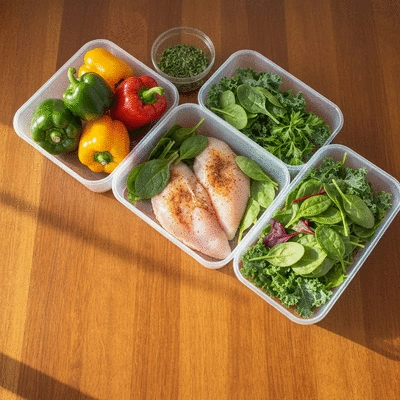
When it comes to healthy eating, planning and preparing your meals can help save money.
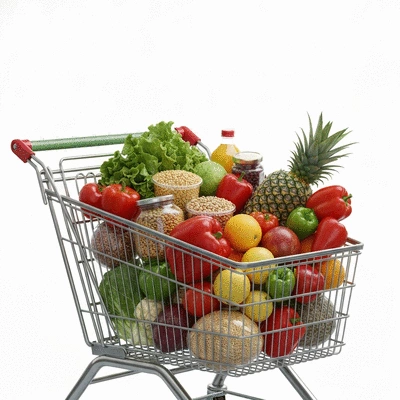
Utilizing seasonal produce and local markets can greatly reduce grocery costs.
About Me

Welcome to Fairfax Fitness!
I'm Jordan H. Emerson, a dedicated health and fitness enthusiast passionate about empowering individuals on their wellness journeys. With a background in health sciences and years of personal training experience, I share actionable insights and trusted advice to help you achieve your health goals and build sustainable habits. My goal is to empower you with the knowledge and tools you need to foster lasting wellness and mental clarity.
Recent Posts

Effective Strategies for Weight Maintenance
2026-10-08
Nurturing Your Health Goals Together
2026-10-07