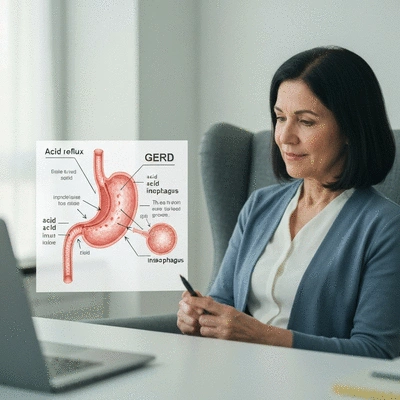
Acid Reflux
- Occasional occurrence
- Mild symptoms (heartburn)
- Less severe complications
Jun 01
Ever felt that uncomfortable burning sensation in your chest? You’re not alone! Understanding the differences between acid reflux and GERD can empower you to manage your symptoms effectively and improve your quality of life.
Understanding the distinctions between occasional acid reflux and chronic GERD is crucial for effective symptom management and overall wellness. This visual breaks down the core differences and highlights when professional medical advice is essential. For more insights on maintaining overall well-being, consider exploring strategies for lasting happiness.
Let's dive into a topic that many people experience but often overlook: acid reflux and GERD. Understanding the differences between these two common conditions can empower you to manage your symptoms effectively. Acid reflux is a general term describing the backflow of stomach contents into the esophagus, while GERD, or gastroesophageal reflux disease, is a chronic and more severe form of acid reflux. If you've ever felt that uncomfortable burning sensation in your chest, you're not alone!
Knowing what you're dealing with can make a significant difference in your approach to treatment. I’ve seen too many people struggle with discomfort without understanding that they may be experiencing GERD. Recognizing the symptoms and differences can help you identify effective strategies for relief.
Acid reflux occurs intermittently when stomach acid escapes into the esophagus, typically after meals. In contrast, GERD involves frequent episodes of acid reflux, which can lead to more serious complications if left untreated. It's important to remember that not all acid reflux is GERD, but frequent occurrences may indicate it's time to make some changes.
Here are some key differences to note:
Understanding these distinctions can help you seek the right resources and support for managing your health. At Fairfax Fitness, we believe in equipping you with the knowledge you need to take charge of your wellness journey!
Recognizing the symptoms of acid reflux and GERD is crucial for effective management. Common symptoms include:
These symptoms can significantly impact daily life. However, identifying your triggers can help reduce their frequency and intensity. Some common triggers include:
In my experience, keeping a journal of what you eat and your symptoms can reveal patterns and help you make informed adjustments. Remember, finding relief is about understanding your body and making choices that support your unique wellness journey! For further guidance on identifying what you consume, check out our guide on decoding nutrition labels.
What has been your most effective strategy for managing acid reflux or GERD symptoms? Share your thoughts below:
It’s essential to recognize when GERD symptoms require more than just home remedies. As someone who has navigated their own health journey, I understand how challenging it can be to discern what is typical discomfort and what might be a sign of a more serious condition. Listening to your body is crucial in these situations!
Here are some red flags that indicate it's time to consult a healthcare professional:
If you experience any of these symptoms, don’t hesitate to seek medical advice. Addressing these issues promptly can lead to better outcomes and enhanced overall health.
Aside from the symptoms mentioned above, other indicators might suggest that your condition requires professional intervention. For example, if you find that over-the-counter medications are not providing relief or you are relying on them too frequently, it's time to reevaluate your approach. GERD can lead to complications, including esophagitis or Barrett's esophagus, if left untreated.
Pay attention to any changes in your body and maintain an open dialogue with your healthcare provider. They can help you navigate the complexities of managing GERD and determine the best course of action for your situation.
Many of us turn to natural remedies and lifestyle changes to alleviate symptoms of GERD. While these methods can be effective, there are times when they simply won’t suffice. If you've made dietary adjustments and implemented lifestyle changes without improvement, it’s important to recognize that you might need additional support.
Some signs that home remedies aren’t enough include:
At Fairfax Fitness, we encourage our community to take proactive steps toward their health while also understanding the limits of self-management. Seeking professional advice is a smart move when your symptoms persist. This proactive approach can significantly contribute to managing conditions effectively, much like understanding managing chronic pain naturally.
As we navigate the complexities of managing acid reflux and GERD, it's vital to consider a comprehensive approach. Combining dietary adjustments, lifestyle changes, and mindfulness practices can significantly enhance your overall well-being. This holistic strategy can help diminish symptoms and improve your quality of life.
Incorporating various strategies can create a strong foundation for managing your symptoms. Here are key areas to focus on:
By embracing this balanced approach, you're more likely to find lasting relief from GERD symptoms. Remember, gradual changes lead to sustainable results!
Incorporating a well-rounded strategy isn't just about addressing symptoms; it’s about fostering a healthier lifestyle overall. At Fairfax Fitness, we believe that small, consistent actions lead to significant improvements over time. Celebrate your progress, and don’t hesitate to reach out for support from your community as you embark on your journey to better health!
Once you’ve explored various management strategies, it's time to take actionable steps toward symptom relief. Empowering yourself with knowledge and community support can make a world of difference in your health journey.
Engaging with practices that others have found beneficial can enhance your own approach. Here’s how to incorporate user-recommended strategies:
Integrating these practices into your daily routine can lead to a more supportive environment as you manage your symptoms.
Don’t underestimate the power of community! Engaging with others who are on a similar journey can provide motivation and encouragement. Consider following Fairfax Fitness for ongoing tips and resources that can help you along the way.
Remember, you’re not alone in this journey. Together, we can foster a supportive environment that encourages sustainable health practices. So let's take those next steps together!
Here is a quick recap of the important points discussed in the article:
I'm Jordan H. Emerson, a dedicated health and fitness enthusiast passionate about empowering individuals on their wellness journeys. With a background in health sciences and years of personal training experience, I share actionable insights and trusted advice to help you achieve your health goals and build sustainable habits. My goal is to empower you with the knowledge and tools you need to foster lasting wellness and mental clarity.