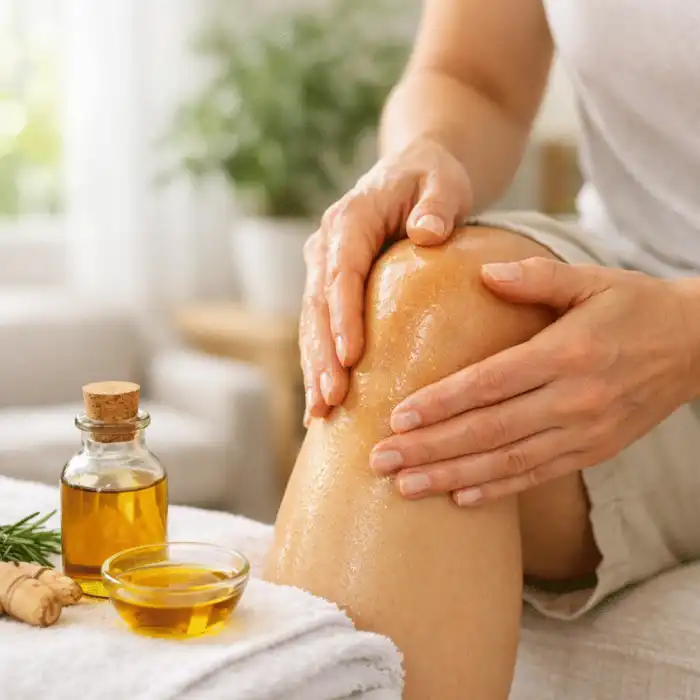
What if managing arthritis pain could extend beyond medication? In a world increasingly turning to natural solutions, the journey to pain relief is evolving with new strategies that empower individuals to take charge of their health.
What You Will Learn
Understanding the difference between osteoarthritis and rheumatoid arthritis, including their causes and symptoms.
The rising popularity of non-medical pain management strategies and their benefits for holistic health.
Evidence from research supporting the efficacy of natural remedies like omega-3 fatty acids and turmeric for pain relief.
When to seek medical intervention, recognizing warning signs that require professional attention.
Tips for creating sustainable pain management habits that can lead to long-term relief.
Establish a routine: movement, mindfulness, anti-inflammatory foods.
Track progress in a journal.
Connect with others for motivation.
Understanding Arthritis and the Need for Non-Medical Pain Management
Arthritis is a term that encompasses over 100 different types of inflammatory joint diseases, with osteoarthritis and rheumatoid arthritis being the most common. These conditions can significantly impact daily life, causing joint pain, stiffness, and reduced mobility. Imagine waking up each day with discomfort that limits your activities—whether it’s playing with your kids or simply walking around the house. Understanding the different types of arthritis and their symptoms is crucial for managing your health.
Osteoarthritis typically results from wear and tear on the joints, often affecting older adults, while rheumatoid arthritis is an autoimmune condition that can occur at any age. Both types can lead to pain and swelling, greatly affecting one's quality of life. Recognizing these conditions encourages proactive management strategies, which can be both empowering and liberating! For more insights into how proactive health choices can improve your well-being, explore our article on strategies for lasting happiness.
What is Arthritis and Its Impact on Daily Life?
Osteoarthritis: Degenerative joint disease caused by wear and tear.
Rheumatoid arthritis: Autoimmune disorder causing inflammation in joints.
Common symptoms: Pain, swelling, stiffness, and reduced range of motion.
Impact on daily activities: Difficulty in performing everyday tasks and hobbies.
When living with arthritis, it’s essential to find ways to navigate these challenges effectively. The impact can range from mild discomfort to significant limitations, affecting not just physical health but also emotional well-being. This is where the need for non-medical pain management approaches becomes vital.
The Rising Demand for Natural Pain Relief
In recent years, there has been a noticeable shift towards natural and complementary therapies for managing arthritis pain. People are increasingly seeking out self-care techniques that focus on holistic health rather than solely relying on medication. The appeal of these methods lies in their ability to promote overall wellness while minimizing potential side effects associated with pharmaceuticals.
As someone who is passionate about health and fitness, I understand the desire to explore these natural options. Many individuals are now incorporating practices like yoga, meditation, and dietary adjustments into their routines to manage pain effectively. This growing interest highlights a collective movement towards healthier, more sustainable lifestyles. Delving deeper into wellness practices, you might find our guide on understanding meditation types and benefits particularly helpful for integrating mindfulness into your pain management routine.
Pro Tip
To enhance your non-medical pain management strategy, consider incorporating a daily routine of gentle stretching and mindfulness practices. Research shows that combining physical activity with mindfulness can significantly improve pain perception and emotional well-being. Start with just a few minutes each day and gradually increase the duration as you become more comfortable!
Evaluating the Efficacy of Non-Medication Pain Management Strategies
As we explore the various methods of managing arthritis pain, it’s important to evaluate the effectiveness of these non-medication strategies. Recent studies have shed light on the benefits of natural remedies, and experts in the field are increasingly supporting these approaches. For instance, a recent meta-analysis published in the Journal of Pain Research highlighted significant reductions in pain levels among individuals who engaged in movement-based therapies and dietary changes.
Additionally, professionals in physical therapy emphasize the importance of personalized routines tailored to individual needs. They suggest that implementing practices like yoga or physical therapy can lead to a noteworthy improvement in mobility and a reduction in discomfort. By combining these insights with your own experiences, you can create an effective and manageable pain relief plan.
Expert Insights and Recent Research Findings on Natural Remedies
Many professionals are advocating for natural remedies as viable options for managing arthritis symptoms. Here are some key findings:
Research indicates that omega-3 fatty acids significantly reduce inflammation and joint stiffness.
Studies have shown that turmeric, containing curcumin, can be as effective as anti-inflammatory medications for pain relief.
Regular low-impact exercise has been proven to enhance joint function and reduce perceived pain.
Anecdotal evidence suggests that acupuncture can lead to significant pain relief and improved mobility for many.
These findings underscore the necessity of integrating natural remedies into your pain management routine. With the support of professionals and ongoing research, the landscape of arthritis treatment is evolving, offering more options than ever before.
Understanding When to Seek Medical Intervention
While many non-medical approaches can provide comfort, there are times when it’s essential to seek medical intervention. Being aware of warning signs can empower you to take action. Here are some symptoms that warrant professional help:
Severe joint pain that interferes with daily activities.
Swelling or warmth around the joints not responding to home remedies.
New symptoms, such as fever or unexplained weight loss.
Persistent pain that worsens over time despite managing it with natural methods.
Recognizing these signs can lead you to pursue necessary treatments sooner rather than later, ultimately improving your quality of life. Understanding the broader implications of inflammation can also be helpful; consider reading about inflammation's role in chronic disease.
Encouraging Sustainable Pain Management Habits
Tips for Maintaining Long-Term Engagement with Pain Management Practices
Creating sustainable habits is crucial for long-term relief from arthritis pain. At Fairfax Fitness, we emphasize the importance of consistency and gradual changes. Here are a few strategies to help you stay engaged:
Set realistic and achievable goals for your exercise and dietary changes.
Establish a routine that incorporates movement, mindfulness, and anti-inflammatory foods.
Track your progress in a journal to celebrate your successes and identify areas for improvement.
Connect with others who share similar goals to stay motivated.
By adopting these practices, you can create a supportive framework that fosters lasting change and enhances your overall wellness.
Resources for Further Support and Information from the Arthritis Foundation and Other Organizations
To further assist you on your journey, there are numerous resources available. Organizations like the Arthritis Foundation and the Mayo Clinic offer valuable information and support for individuals managing arthritis. Here are some recommended resources:
Arthritis Foundation - Offers comprehensive guides on pain management, exercise, and nutrition.
Mayo Clinic - Provides expert insights on treatments, wellness tips, and research updates.
Utilizing these resources can empower you to make informed decisions and create a personalized approach to managing your arthritis pain.
Taking the First Step Towards a Drug-Free Pain Management Journey
Empower Yourself with Knowledge and Action
The journey to effective pain management begins with knowledge and action. Assessing your current strategies and exploring new techniques can lead to significant improvements. Take the time to identify practices that resonate with you, whether it’s engaging in low-impact exercise, trying dietary changes, or incorporating mindfulness techniques.
Always remember: every small step counts! Regularly revisiting your goals and adjusting your approach as needed will help keep you on track. Your health journey is unique, and embracing this process is key to achieving lasting wellness.
Join the Community: Sharing Experiences and Success Stories
We believe that community plays a vital role in healing and support. I invite you to join our Fairfax Fitness community, where you can share your experiences and learn from others on similar journeys. Engaging in discussions about what works for you can provide new insights and motivate others to explore non-medication pain management options.
Let’s empower each other! Your story might inspire someone else to take their first steps towards relief. Together, we can create a supportive environment where we all thrive! For those looking to optimize their physical health and recovery, don't miss our detailed guide on understanding muscle recovery's importance.
Frequently Asked Questions (FAQs)
Q1: What is the main difference between osteoarthritis and rheumatoid arthritis?
A1: Osteoarthritis is a degenerative condition caused by wear and tear on the joints, typically affecting older adults. Rheumatoid arthritis, on the other hand, is an autoimmune disease where the body's immune system attacks its own joints, and it can occur at any age.
Q2: What are some natural remedies effective for arthritis pain?
A2: Research suggests that omega-3 fatty acids and turmeric (curcumin) can significantly reduce inflammation and joint stiffness. Regular low-impact exercise, acupuncture, and dietary changes are also noted for their benefits.
Q3: When should I seek medical intervention for arthritis pain?
A3: It's important to seek medical help if you experience severe joint pain that interferes with daily activities, swelling or warmth around joints that doesn't respond to home remedies, new symptoms like fever or unexplained weight loss, or persistent pain that worsens despite natural management methods.
Q4: How can I maintain long-term engagement with non-medical pain management practices?
A4: To sustain long-term engagement, set realistic goals, establish a consistent routine that includes movement and anti-inflammatory foods, track your progress, and connect with a supportive community for motivation.
Q5: Are there any reliable resources for further information and support on arthritis management?
A5: Yes, organizations like the Arthritis Foundation, Mayo Clinic, and the National Center for Complementary and Integrative Health (NCCIH) offer valuable information, guides, and support for individuals managing arthritis.
Recap of Key Points
Arthritis encompasses various types of joint diseases, with osteoarthritis and rheumatoid arthritis being the most common.
Natural and complementary therapies, such as yoga and dietary adjustments, are increasingly sought for pain management.
Research shows that omega-3 fatty acids and turmeric can effectively reduce arthritis symptoms.
Recognizing warning signs is essential for knowing when to seek medical intervention.
Sustainable habits, like setting achievable goals and connecting with a supportive community, are crucial for long-term pain management.
About Me
Welcome to Fairfax Fitness!
I'm Jordan H. Emerson, a dedicated health and fitness enthusiast passionate about empowering individuals on their wellness journeys. With a background in health sciences and years of personal training experience, I share actionable insights and trusted advice to help you achieve your health goals and build sustainable habits. My goal is to empower you with the knowledge and tools you need to foster lasting wellness and mental clarity.