What if a simple change in your diet could significantly enhance your heart health? The journey to lowering cholesterol naturally begins with understanding the basics and making informed choices. Let's explore essential strategies and insights that can empower you on this path.
What You Will Learn
Cholesterol is vital for bodily functions but can lead to serious health issues when levels are too high.
Understanding the difference between LDL ("bad" cholesterol) and HDL ("good" cholesterol) is crucial for heart health.
Dietary changes, such as choosing healthier fats and increasing soluble fiber, can effectively lower cholesterol levels.
Adopting a whole food diet rich in fruits, vegetables, and lean proteins promotes long-term wellness and better cholesterol control.
Consulting with healthcare professionals can provide personalized guidance tailored to your health needs.
Understanding and Managing Cholesterol
Delve into the crucial distinctions between "good" and "bad" cholesterol and discover actionable dietary and lifestyle strategies to maintain healthy levels. For a deeper understanding of preventive measures, consider exploring heart disease prevention lifestyle changes.
Key Cholesterol Types & Their Impact
LDL Cholesterol ("Bad")
Leads to plaque buildup in arteries, increasing heart disease risk.
High levels = High Risk
HDL Cholesterol ("Good")
Helps remove LDL from bloodstream, protecting against heart disease.
Higher levels = Protective
Strategies for Lowering Cholesterol Naturally
Dietary Adjustments
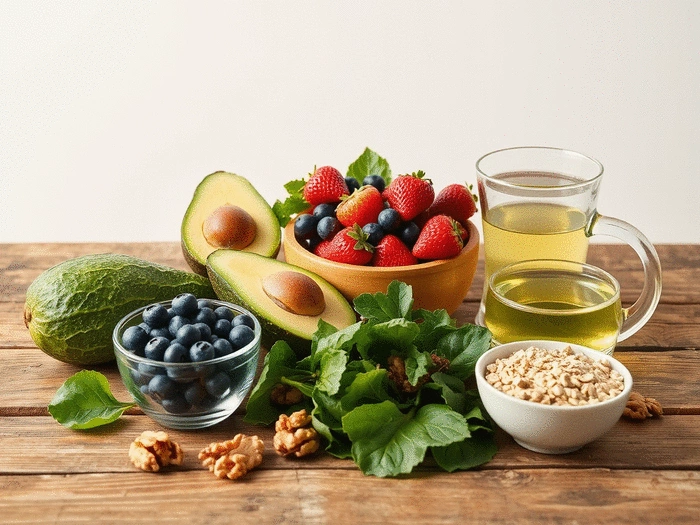
Healthier fats (olive oil, avocados)
More soluble fiber (oats, beans)
Plant-based diet focus
Small Changes, Big Impact
Quick Wins & Guidance
Swap butter for olive oil
Add leafy greens daily
Walk 10 mins after meals
Consult healthcare providers
Actionable Steps Today
Understanding Cholesterol: The Basics of Lowering Cholesterol Naturally
Have you ever wondered what cholesterol really is and why it matters for your health? Understanding cholesterol is crucial because it plays a significant role in various bodily functions, including hormone production and cell membrane formation. However, too much cholesterol can lead to serious health issues like heart disease. Let's dive into the essentials of cholesterol and how you can manage it naturally!
The first step in addressing cholesterol is to recognize its impact on your overall health. At Fairfax Fitness, we believe that knowledge is power. With the right information, you can take control of your health journey!
What Is Cholesterol and Why Does It Matter?
Cholesterol is a waxy substance found in your blood and cells. It's vital for building healthy cells, but when levels become too high, it can lead to plaque buildup in your arteries. This condition, known as atherosclerosis, increases the risk of heart attack and stroke. Understanding this connection is essential for maintaining your heart health.
Cholesterol helps produce hormones and vitamin D.
It aids in the digestion of foods by producing bile acids.
High cholesterol can cause serious cardiovascular problems.
By learning the basics about cholesterol, you're taking an important step towards a healthier lifestyle. Remember, small changes can lead to big improvements in your overall health!
The Difference Between LDL and HDL Cholesterol
When discussing cholesterol, it's important to differentiate between LDL (low-density lipoprotein) and HDL (high-density lipoprotein). LDL is often referred to as "bad" cholesterol because it can lead to plaque buildup in arteries, while HDL is known as "good" cholesterol as it helps remove LDL from the bloodstream. Balancing these two types is key to achieving optimal health.
LDL Cholesterol: High levels increase heart disease risk.
HDL Cholesterol: Higher levels can protect against heart disease.
Understanding these differences empowers you to make informed decisions about your diet and lifestyle choices. With proper knowledge, you can work towards lowering LDL and increasing HDL cholesterol naturally!
Dietary Strategies for Naturally Lowering Cholesterol
Your diet plays a crucial role in managing cholesterol levels. By making mindful food choices, you can significantly improve your health. At Fairfax Fitness, we advocate for balanced nutrition as a foundation for wellness, so let's explore some effective dietary strategies!
Choose healthier fats over saturated and trans fats.
Incorporate more soluble fiber into your meals.
Consider adopting a plant-based diet.
These dietary changes not only support healthy cholesterol levels but also foster overall well-being. Remember, every small step counts in your health journey, so let’s get started on these changes! For optimal nutritional guidance, check out our guide on understanding macronutrients.
Interactive Poll: Your Thoughts on Cholesterol Management
We’d love to hear from you! What dietary change are you most excited to try for lowering your cholesterol?
Summarizing Key Takeaways for Lowering Cholesterol Naturally
As we wrap up our exploration of cholesterol management, it’s important to highlight the key takeaways that can significantly impact your health. Lowering cholesterol naturally is achievable through a combination of dietary adjustments and lifestyle changes. By emphasizing whole foods and consistent habits, you can pave the way for better heart health.
Implementing small changes can lead to big results. Focus on incorporating healthier fats, increasing fiber intake, and staying active. Remember, every little action counts in your wellness journey!
Quick Wins: Immediate Steps You Can Take Today
Ready to take action? Here are some quick wins that you can incorporate into your daily routine right now:
Swap out butter for olive oil in your cooking.
Add a serving of leafy greens to your lunch.
Take a brisk 10-minute walk after meals.
Include a handful of nuts as a healthy snack.
These simple steps can help you start lowering your cholesterol effectively. It’s all about making gradual changes that fit seamlessly into your lifestyle!
Consulting with Healthcare Providers: The Importance of Personalized Guidance
While self-education is vital, don’t underestimate the value of personalized guidance. Consulting with healthcare providers, such as your doctor or a registered dietitian, can offer tailored advice that aligns with your unique health goals.
Healthcare professionals can help you understand your specific cholesterol levels and recommend strategies that consider your entire health picture. Building a strong support network is essential as you navigate your cholesterol-lowering journey!
Empowering Your Cholesterol-Lowering Journey
At Fairfax Fitness, we believe that empowering yourself through knowledge and action is key to achieving lasting health. Making a commitment to a whole food diet can profoundly impact your cholesterol levels and overall wellness.
Remember, it’s not just about restriction; it’s about embracing nourishing choices that make you feel good!
Encouragement to Make Lasting Changes with a Whole Food Diet
Adopting a whole food diet is more than a trend; it’s a sustainable lifestyle choice. Focus on incorporating:
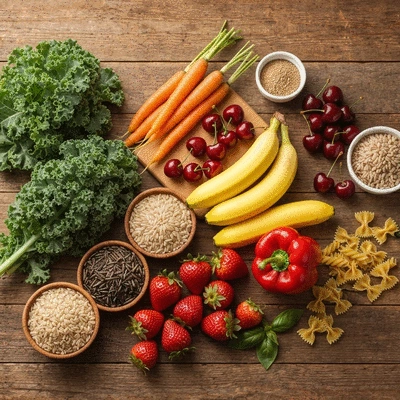
Fresh fruits and vegetables
Whole grains
Lean proteins like fish and beans
Healthy fats from sources like avocados and nuts
By prioritizing these foods, you can improve your cholesterol levels and promote overall health. Take it one meal at a time and celebrate your progress!
Resources and Support for Continued Success, Including Health Blogs and Wellness Programs
To help you stay on track, consider utilizing resources and support available in the wellness community. Health blogs, such as ours at Fairfax Fitness, offer valuable tips and insights. For example, understanding how the Mediterranean diet contributes to heart health can be a great resource.
Additionally, joining wellness programs can provide motivation and accountability. Connecting with like-minded individuals can make your journey more enjoyable and keep you focused on your health goals.
Frequently Asked Questions (FAQs)
What is cholesterol and why is it important? Cholesterol is a waxy substance vital for building healthy cells, producing hormones, and aiding digestion. However, high levels can lead to plaque buildup in arteries, increasing the risk of heart disease and stroke.
What is the difference between LDL and HDL cholesterol? LDL (low-density lipoprotein) is "bad" cholesterol that contributes to plaque buildup in arteries. HDL (high-density lipoprotein) is "good" cholesterol that helps remove LDL from the bloodstream, protecting against heart disease.
What dietary changes can help lower cholesterol naturally? To lower cholesterol naturally, focus on choosing healthier fats (like olive oil and avocados), incorporating more soluble fiber (from oats and beans), and considering a plant-based diet.
Can small changes make a big impact on cholesterol levels? Yes, implementing small, consistent dietary and lifestyle changes can lead to significant improvements. Examples include swapping butter for olive oil, adding leafy greens daily, and taking brisk walks.
Why is consulting a healthcare provider important for cholesterol management? Healthcare providers, such as doctors or registered dietitians, can offer personalized guidance tailored to your specific cholesterol levels and overall health needs, ensuring effective and safe management strategies.
Recap of Key Points
Here is a quick recap of the important points discussed in the article:
Cholesterol is essential for various bodily functions but can lead to health issues if levels are too high.
Understanding the difference between LDL (bad cholesterol) and HDL (good cholesterol) is crucial for heart health.
Incorporate healthier fats and increase soluble fiber in your diet to help lower cholesterol naturally.
Small, consistent dietary changes can lead to significant improvements in your cholesterol levels.
Consult healthcare providers for personalized guidance on managing your cholesterol effectively.
About Me
Welcome to Fairfax Fitness!
I'm Jordan H. Emerson, a dedicated health and fitness enthusiast passionate about empowering individuals on their wellness journeys. With a background in health sciences and years of personal training experience, I share actionable insights and trusted advice to help you achieve your health goals and build sustainable habits. My goal is to empower you with the knowledge and tools you need to foster lasting wellness and mental clarity.