
May 28
Flexibility and Mobility: Key Differences
What if unlocking your true potential was as simple as understanding the difference between flexibility and mobility? These two concepts are cornerstones of physical health that can dramatically enhance your daily life and performance.
What You Will Learn
- Flexibility refers to the ability of muscles and tendons to lengthen, aiding in a wider range of motion.
- Mobility involves active control of joints through their full range of motion, integrating strength and coordination.
- Improving flexibility and mobility can significantly enhance athletic performance and reduce injury risk.
- Healthy joints are crucial for both flexibility and mobility; proper nutrition and regular exercise support joint health.
Flexibility vs. Mobility: A Key Distinction
Understanding the difference between flexibility and mobility is crucial for optimal movement quality and overall physical health.
Flexibility: Passive Tissue Lengthening
Ability of muscles and tendons to lengthen, allowing a wider range of motion in joints.
- Focuses on passive stretching.
- Often involves external force (e.g., gravity, partner).
- Crucial for daily tasks and injury reduction.
Mobility: Active Joint Movement
Active control of joints through their full range of motion, requiring strength and coordination.
- Emphasizes active control and strength.
- Essential for functional movement and athletic performance.
- Aids in recovery and injury rehabilitation.
Why Both Are Essential
Understanding Flexibility and Mobility: Key Definitions
As we embark on our health and fitness journeys, it’s crucial to grasp the foundational concepts of flexibility and mobility. Both terms are often used interchangeably, but they have distinct meanings that play vital roles in our overall wellness. Let's dive into these definitions to better understand how they contribute to our physical health. For a deeper understanding of how these factors contribute to overall health, consider exploring movement's impact on mental health as well.
At Fairfax Fitness, we believe that knowledge is power! So, let’s break it down clearly.
What is Flexibility? The Role of Passive Tissue Lengthening
Flexibility refers to the ability of our muscles and tendons to lengthen, allowing us to achieve a wider range of motion in our joints. This often involves passive tissue lengthening, which occurs when a muscle is stretched without the engagement of any active effort. Think of it like this: when you do a forward bend, gravity helps your muscles stretch as you reach toward your toes.
- Flexibility is essential for performing daily tasks comfortably.
- It helps improve overall performance in physical activities.
- Maintaining flexibility can reduce the risk of injuries.
Incorporating flexibility exercises into your routine can yield significant benefits, enhancing everything from your workout performance to your daily movements.
What is Mobility? Exploring Active Joint Movement
Mobility, on the other hand, focuses on the active control of our joints through their full range of motion. It involves not just the flexibility of muscles and tendons but also the strength and coordination of the surrounding muscles. For instance, when you perform a squat, you're not just relying on flexibility; you're also engaging your muscles to control the movement and stabilize your body.
- Mobility allows for better functional movement, which is crucial for everyday tasks.
- It enhances athletic performance, especially in sports that require dynamic movements.
- Improving mobility can aid in recovery and rehabilitation from injuries.
Understanding the difference between flexibility and mobility is key to developing a balanced approach to your fitness regimen. Both elements play unique roles in keeping us active and healthy!

Distinguishing Between Flexibility and Mobility
Now that we have a grasp on what flexibility and mobility are, let's explore how they differ and why that distinction matters for our health.
Key Differences: Active vs. Passive Movement
The primary distinction lies in how each is achieved. While flexibility is largely about passive stretching, mobility requires active movement and control. This means that someone can be flexible but not necessarily mobile, which could affect their ability to perform certain tasks, highlighting the importance of a comprehensive warm-up routine before any physical activity.
- Flexibility focuses on passive stretching.
- Mobility emphasizes active control and strength.
- Both are essential for optimal movement quality.
As a personal trainer, I've seen firsthand how clients often need to balance both aspects for improved overall function.
The Importance of Range of Motion in Daily Activities
Range of motion is a critical factor in our ability to perform daily activities with ease. Whether it's bending down to tie your shoes or reaching for something on a high shelf, maintaining an adequate range of motion is essential. Regularly working on both flexibility and mobility can keep our bodies functioning optimally, allowing us to move with grace and confidence.
At Fairfax Fitness, I often recommend simple stretches and mobility drills that can easily fit into your day, enhancing your range of motion and overall movement efficiency. Make sure to include them in your routine!
Exploring the Impact of Joint Health on Flexibility and Mobility
Joint health significantly impacts both flexibility and mobility. Healthy joints allow for smoother movements and better performance in various activities. On the flip side, joint issues can lead to stiffness, reduced flexibility, and limited mobility.
- Proper nutrition supports joint health, increasing flexibility and mobility.
- Regular exercise keeps joints lubricated and functioning well.
- Listening to your body is crucial; don’t push through pain!
By focusing on joint health, we can enhance both flexibility and mobility, paving the way for a successful fitness journey! It's also vital to understand inflammation's role in chronic disease, as chronic inflammation can severely impact joint health and, consequently, your flexibility and mobility.
Pro Tip
Incorporating dynamic stretches before workouts can significantly enhance your mobility. Try movements like arm circles, leg swings, and torso twists to prepare your body for the exercises ahead. This not only increases blood flow but also primes your joints for better performance!
Frequently Asked Questions About Flexibility and Mobility
Summarizing the Importance of Flexibility and Mobility
As we wrap up our exploration of flexibility and mobility, it’s clear that both are crucial elements of our overall health. At Fairfax Fitness, I believe that understanding these concepts can dramatically improve your well-being. Not only do they enhance physical performance, but they also play a vital role in everyday life, ensuring we can carry out daily tasks with ease and confidence!
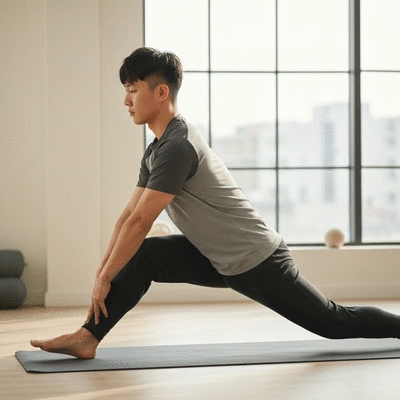
To summarize, let’s take a look at the key benefits of maintaining good flexibility and mobility:
- Improved athletic performance: Enhanced range of motion allows for better execution of physical activities.
- Injury prevention: Proper flexibility and mobility can reduce the risk of strains and sprains.
- Better posture: Improved movement quality leads to a more aligned and balanced body.
- Enhanced recovery: Stretching helps alleviate muscle tightness and promotes faster recovery after workouts.
These benefits are just a glimpse of why you should prioritize flexibility and mobility in your fitness routine. Whether you're just starting out or looking to refine your existing practices, remember that incorporating these elements can lead to a healthier and more active lifestyle!
Conclusion: Why Both Are Essential for Lifelong Movement Quality
In conclusion, embracing flexibility and mobility is not just about improving your workouts; it is about enhancing your quality of life. By integrating these practices into your daily routine, you can ensure that you maintain functional movement as you age. Remember, it’s never too late to start making positive changes! At Fairfax Fitness, I’m here to support you every step of the way on your journey to better health.
Always keep in mind that flexibility and mobility are interconnected. They contribute to not only your physical capabilities but also to your overall mental well-being. When you feel good in your body, you're more likely to engage in activities you love, which can lead to increased happiness and fulfillment!
Call to Action: Start Your Journey Towards Better Movement Today
Are you ready to take action? Let’s get started on your flexibility and mobility journey right now! Here are a few simple steps you can take:
- Set a daily stretching goal: Aim for at least 10 minutes of stretching each day.
- Incorporate mobility exercises: Try to include at least one mobility workout each week.
- Join a class: Look for local or online yoga or Pilates classes that focus on flexibility and mobility.
- Track your progress: Keep a journal of your flexibility and mobility improvements!
Let’s embrace the journey together! Whether you’re new to fitness or a seasoned pro, enhancing your flexibility and mobility will provide lasting benefits. If you have questions or need guidance, feel free to reach out to me here at Fairfax Fitness. Together, we can achieve your wellness goals!
Recap of Key Points
Here is a quick recap of the important points discussed in the article:
- Flexibility involves the passive lengthening of muscles and tendons, enhancing your range of motion.
- Mobility emphasizes active control and strength around joints, crucial for functional movements.
- Both flexibility and mobility are essential for optimal movement quality and injury prevention.
- Maintaining a good range of motion supports daily activities and overall well-being.
- Healthy joints are vital for flexibility and mobility; proper nutrition and regular exercise play key roles.
About Me

Welcome to Fairfax Fitness!
I'm Jordan H. Emerson, a dedicated health and fitness enthusiast passionate about empowering individuals on their wellness journeys. With a background in health sciences and years of personal training experience, I share actionable insights and trusted advice to help you achieve your health goals and build sustainable habits. My goal is to empower you with the knowledge and tools you need to foster lasting wellness and mental clarity.
Recent Posts

Effective Strategies for Weight Maintenance
2026-10-08
Nurturing Your Health Goals Together
2026-10-07