Building Core Strength Naturally

Building Core Strength Naturally
FITNESS & MOVEMENT

Building Core Strength Naturally

Have you ever wondered why core strength is often emphasized in fitness routines? It serves as the foundation for almost every movement we make, playing a crucial role in our overall health and well-being. A strong core not only enhances your physical abilities but also supports injury prevention and better posture.

What You Will Learn

  • Core strength encompasses several muscle groups, including the rectus abdominis, transverse abdominis, obliques, erector spinae, and pelvic floor muscles.
  • Strong core muscles are essential for maintaining stability and proper posture during various activities, reducing the risk of injuries.
  • A structured core strength training plan is vital for progressive improvement, ensuring motivation and engagement in workouts.
  • Nutrition and recovery are key components of optimal core performance; staying hydrated and having a balanced diet supports muscle repair.
  • Incorporating functional training and balance exercises can enhance your core strength and improve overall functional fitness for daily activities.

The Core Strength Advantage: Benefits and Progression

Discover how strengthening your core enhances stability, posture, and overall fitness, along with a structured 4-week progression plan to guide your journey. For more insights into optimizing your workouts, consider exploring our guide on essential warm-up routines for workouts, which can further prepare your body for effective core training.

Essential Core Muscles

  • Rectus Abdominis
  • Transverse Abdominis
  • Obliques
  • Erector Spinae
  • Pelvic Floor Muscles

Benefits of Strong Core

  • Improved Posture
  • Enhanced Stability
  • Injury Prevention
  • Better Movement Efficiency

Optimal Performance Factors

  • Hydration (8+ glasses/day)
  • Balanced Diet
  • Regular Rest Days

4-Week Core Strength Progression Plan

Week 1: Foundational Exercises

Planks & Bridges, 15-20 min, 3x/week.

Week 2: Increase Duration & Variations

Side Planks & Bicycle Crunches, 20-25 min.

Week 3: Anti-Rotation Focus

Pallof Press, increase to 4x/week.

Week 4: Circuit Integration

Combine all exercises into a 30 min circuit.

Functional Training

  • Single-Leg Deadlifts
  • Medicine Ball Throws
  • Balance Boards

Key Takeaways

Core strength is foundational for daily activities and athletic performance.

Consistency, nutrition, and recovery are crucial for optimal results.

Understanding Core Strength: Definition and Importance

At Fairfax Fitness, we often emphasize the foundational role of core strength in overall fitness. But what exactly is core strength? Simply put, it refers to the ability of the muscles in your abdomen, lower back, hips, and pelvis to work together effectively. These muscles provide stability and support for your entire body, which is essential for not only athletic performance but everyday activities as well!

What is Core Strength?

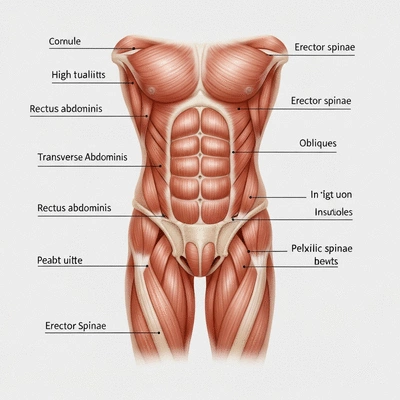
Core strength involves a variety of muscles that play crucial roles in maintaining posture, balance, and stability. When we think of core muscles, we often picture the abdominal muscles, but the core is much more than just abs. It includes:

  • Rectus abdominis - the "six-pack" muscles that help with trunk flexion
  • Transverse abdominis - the deep muscle layer that stabilizes the torso
  • Obliques - these side muscles aid in rotation and lateral movement
  • Erector spinae - muscles that support the spine
  • Pelvic floor muscles - crucial for stability and support

Understanding the full scope of core strength can help you appreciate its significance in your fitness journey. It’s not just about looking good; it’s about functionality and moving well!

Diagram showing human core muscles, including rectus abdominis, transverse abdominis, obliques, erector spinae, and pelvic floor muscles

Why Core Strength is Essential for Stability and Posture

Core strength is essential for maintaining proper stability and posture. Strong core muscles help you keep your body stable during various activities, whether you're lifting heavy objects, running, or simply sitting at a desk. Poor core strength can lead to imbalances, which might result in discomfort or even injuries over time. Learning about how to improve your form and avoid mistakes can further enhance your core training efficacy.

Here are some key reasons why cultivating core strength is vital:

  • Improved Posture: A strong core helps you maintain an upright position, reducing strain on your spine.
  • Enhanced Stability: It provides a sturdy base for your movements, allowing for better balance.
  • Injury Prevention: A strong core reduces the risk of injuries during physical activities.
  • Better Movement Efficiency: It allows for smoother and more controlled movements.

As you work on strengthening your core, you’ll likely notice not just physical changes but also improvements in your daily activities. Remember, every great fitness journey begins with a solid foundation!

Pro Tip

To maximize your core strength training, consider incorporating a variety of exercises that challenge different muscle groups. For example, alongside traditional planks and sit-ups, try adding exercises like medicine ball slams or stability ball rollouts. These variations not only engage your core more effectively but also keep your workouts exciting and prevent plateaus!

Creating a Structured Core Strength Training Plan

At Fairfax Fitness, one of our core missions is to help you build a sustainable approach to your fitness journey. That's why creating a structured core strength training plan is essential. With a clear roadmap, you'll not only see progress but also feel motivated to continue your workouts!

A well-structured plan allows you to gradually increase intensity while ensuring that you stay engaged and avoid burnout. Whether you’re just starting or looking to elevate your routine, I’m excited to share a sample 4-week core strength progression plan that you can easily follow.

Sample 4-Week Core Strength Progression Plan

  • Week 1: Focus on foundational exercises like planks and bridges for 15-20 minutes, 3 times a week.
  • Week 2: Increase duration and add variations, such as side planks and bicycle crunches, aiming for 20-25 minutes.
  • Week 3: Introduce anti-rotation exercises like the Pallof press, and increase sessions to 4 times a week.
  • Week 4: Combine all previous exercises into a circuit, targeting 30 minutes with rest intervals.

This structured approach ensures that you build a strong core progressively. Remember, consistency is key! Celebrate your successes, no matter how small, and always listen to your body.

Incorporating Nutrition and Recovery for Optimal Core Performance

While exercising is crucial for developing core strength, nutrition and recovery play equally important roles. To optimize your training, consider what you fuel your body with and how you allow it to recover.

  • Hydration: Staying hydrated helps maintain muscle function. Aim for at least 8 glasses of water a day!
  • Balanced Diet: Include a mix of proteins, healthy fats, and carbohydrates to support muscle repair and energy levels. For more information on dietary needs, check out our guide on understanding macronutrients: a beginner's guide.
  • Rest Days: Schedule regular rest days to let your muscles recover, helping to prevent injury and build strength effectively.

By focusing on nutrition and recovery, you’ll enhance your core strength journey, ensuring that you not only build muscle but also maintain overall health.

Person performing a functional core exercise with a medicine ball

Integrating Functional Training and Balance Exercises into Your Routine

Incorporating functional training and balance exercises into your core routine can take your strength to the next level. These movements mimic everyday activities, making them practical and beneficial for daily life.

  • Single-Leg Deadlifts: Great for improving balance and engaging the core!
  • Medicine Ball Throws: Work on explosive strength while engaging your core muscles.
  • Balance Boards: Using these can enhance core stability and coordination.

When you integrate these exercises, you'll not only strengthen your core but also improve your overall functional fitness. It's all about building a body that moves well in everyday life!

Frequently Asked Questions (FAQs)

Core strength refers to the ability of the muscles in your abdomen, lower back, hips, and pelvis to work together effectively. It's crucial for stability, balance, posture improvement, injury prevention, and overall movement efficiency in both athletic performance and daily activities.

The core includes the rectus abdominis ("six-pack" muscles), transverse abdominis (deep stabilizing muscle), obliques (side muscles for rotation), erector spinae (back muscles supporting the spine), and pelvic floor muscles.

A structured plan is key. Start with foundational exercises like planks and bridges 3 times a week for 15-20 minutes. Gradually increase duration and introduce variations like side planks, bicycle crunches, and anti-rotation exercises as you progress over several weeks.

Nutrition and recovery are vital. Proper hydration (8+ glasses of water daily) maintains muscle function, and a balanced diet (proteins, healthy fats, carbs) supports muscle repair and energy. Regular rest days are also crucial for muscle recovery, preventing injury, and building strength effectively.

Yes, incorporating functional training and balance exercises can greatly enhance core strength. Examples include single-leg deadlifts, medicine ball throws, and using balance boards. These mimic everyday movements and improve overall functional fitness.

Recap of Key Points

Here is a quick recap of the important points discussed in the article:

  • Core strength is essential for stability, posture, and overall functionality in daily activities.
  • A structured core strength training plan helps progressively build strength and avoid burnout.
  • Nutrition and recovery are crucial components that support your core strength journey.
  • Incorporating functional training and balance exercises enhances core stability and overall fitness.
About Me

Welcome to Fairfax Fitness!

I'm Jordan H. Emerson, a dedicated health and fitness enthusiast passionate about empowering individuals on their wellness journeys. With a background in health sciences and years of personal training experience, I share actionable insights and trusted advice to help you achieve your health goals and build sustainable habits. My goal is to empower you with the knowledge and tools you need to foster lasting wellness and mental clarity.