Did you know that nurturing your spiritual self can enhance not just your emotional well-being but also your physical health? Integrating spirituality into your wellness routine can lead to profound personal growth and resilience.
What You Will Learn
Spirituality is a personal journey that fosters emotional balance and mental clarity.
Engaging in reflective practices promotes self-discovery and understanding of personal values.
Building meaningful connections enhances emotional well-being and fosters community support.
Spirituality encourages exploration and personal growth, contrasting with the rigidity often found in religious practices.
Integrating spirituality can lead to lower stress levels, promoting overall mental health.
A holistic approach to wellness considers the interconnectedness of physical, emotional, and social health.
Spirituality vs. Religion in Wellness
Understanding the distinctions between spirituality and religion is key to a holistic approach to health and wellness. Spirituality, being a personal journey, offers unique benefits that contribute significantly to overall well-being. To explore how different practices can impact your physical health, consider exploring yoga's broader benefits.
Spirituality: Personal Journey
Self-Discovery: Reflective practices for values & priorities.
Fluid, individualized, explores beliefs without dogma.
Religion: Structured Frameworks
Structure: Prescribed practices & doctrines.
Community: Emphasizes communal worship.
Dogma: Rigid beliefs & rules.
Specific rituals, shared beliefs, often communal.
Spirituality's Impact on Well-Being
Emotional Resilience: Navigating challenges with grace.
Stress Reduction: Practices reduce anxiety.
Holistic Health: Integrates physical, emotional, social aspects.
Foundation for peace, purpose, and resilience.
Exploring Spiritual Practices
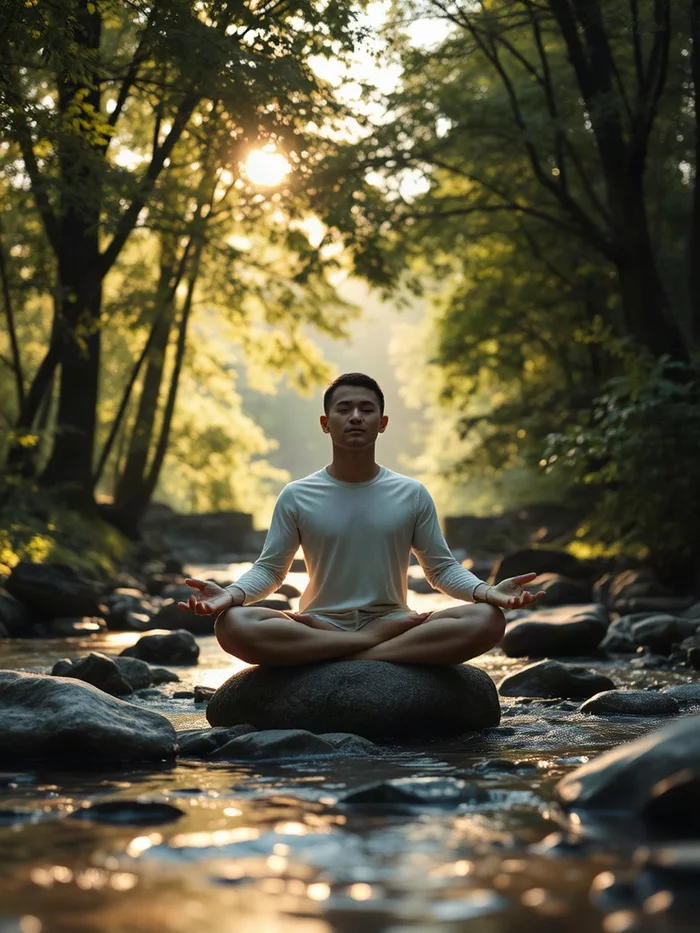
Mindfulness/Meditation: Connect with inner self.
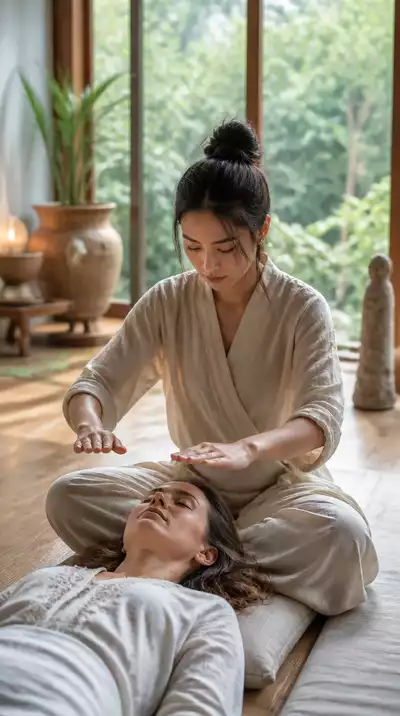
Energy Healing: Reiki, Acupuncture, Yoga.
Self-Reflection: Journaling, quiet contemplation.
Diverse methods to deepen personal development.
Understanding Spirituality and Its Distinction from Religion
When we talk about spirituality, it's essential to establish what it means in the context of health and wellness. Spirituality is often viewed as a deeply personal journey that encompasses one’s search for meaning, purpose, and connection to something greater than oneself. This can manifest in various ways, including practices that promote mental clarity, emotional balance, and a sense of community. At Fairfax Fitness, we recognize that nurturing this part of ourselves can be just as crucial as physical fitness in achieving overall wellness!
Unlike the structured frameworks of religion, spirituality is more fluid and individualized. It allows each person to explore their beliefs and values without the confines of dogma. This exploration can lead to profound insights about oneself and the world around us, contributing significantly to personal growth and emotional resilience. To further enhance your emotional well-being and build resilience, consider exploring strategies for building resilience through life's challenges.
Defining Spirituality in the Context of Health and Wellness
Spirituality plays a vital role in health and wellness. It's about more than just beliefs; it's about the practices and experiences that connect us to our inner selves and to others. Here are a few key aspects of spirituality in health:
Self-Discovery: Engaging in reflective practices can help you understand your values and priorities.
Connection: Building meaningful relationships enhances emotional well-being and fosters community.
Purpose: Finding a sense of direction and meaning in life can provide motivation and resilience during challenging times.
At Fairfax Fitness, we believe that when you integrate spirituality into your wellness routine, you not only enhance your physical health but also nurture your emotional and mental well-being. This holistic approach is essential for creating a balanced lifestyle.
How Spirituality Differs from Religious Practices
While spirituality and religion can overlap, they are fundamentally different. Religion typically involves specific doctrines, rituals, and a community of shared beliefs. In contrast, spirituality is about personal experiences and connections that may or may not align with religious beliefs. Here are some distinctions:
Structure vs. Flexibility: Religions often have prescribed practices, while spirituality allows for personal interpretation.
Community vs. Individuality: Religion often emphasizes communal worship, whereas spirituality can be a solitary journey.
Dogma vs. Exploration: Religious beliefs can be rigid, while spirituality encourages questioning and personal growth.
Understanding these differences is key to appreciating how spirituality can complement your wellness journey, enhancing your life without the constraints of traditional religious frameworks. It’s all about finding what resonates with you!
Pro Tip
To deepen your spiritual practice, consider incorporating daily gratitude exercises. Take a moment each day to reflect on at least three things you are grateful for. This simple act can shift your mindset, enhance emotional resilience, and strengthen your overall sense of well-being.
Summarizing the Importance of Spirituality in Overall Well-Being
As we wrap up our discussion on spirituality, it's vital to recognize its profound impact on our overall health and wellness. Spirituality isn’t just a concept; it’s a foundation for understanding ourselves and connecting with the world around us. By nurturing our spiritual selves, we can cultivate a sense of peace, purpose, and resilience that significantly enhances our quality of life.
Let’s highlight some key takeaways about spirituality in the context of health and wellness:
Emotional Resilience: Spirituality can foster resilience, helping us navigate life’s ups and downs with grace.
Connection to Self and Others: It encourages a deeper connection to ourselves and those around us, promoting a sense of belonging.
Stress Reduction: Engaging in spiritual practices can effectively reduce stress and anxiety, leading to better mental health outcomes. Consider exploring practical stress management techniques to complement your spiritual journey.
Holistic Well-Being: Spirituality integrates physical, emotional, and social aspects of health, supporting a whole-person approach.
Integrating spirituality into our lives doesn't require dogma or strict beliefs; rather, it invites us to explore what resonates with our unique journeys. As the founder of Fairfax Fitness, I encourage you to incorporate these principles into your daily habits for a more balanced and fulfilling life!
FAQs about Spirituality and Wellness
Q1: How does spirituality differ from religion?
A1: Spirituality is a personal journey focused on meaning, purpose, and connection, often individualized and flexible. Religion typically involves structured frameworks, specific doctrines, rituals, and communal worship.
Q2: What are the main benefits of integrating spirituality into my wellness routine?
A2: Integrating spirituality can lead to enhanced emotional balance, mental clarity, self-discovery, stronger connections with others, a greater sense of purpose, increased emotional resilience, and reduced stress levels.
Q3: What are some spiritual practices I can explore?
A3: Popular spiritual practices include mindfulness, meditation, journaling, quiet contemplation, energy healing (like Reiki or acupuncture), yoga, and engaging in gratitude exercises.
Q4: Can spirituality improve physical health?
A4: Yes, by reducing stress and anxiety, fostering emotional resilience, and promoting a holistic approach to health, spirituality can indirectly contribute to improved physical health.
Q5: Do I need to be religious to be spiritual?
A5: No, spirituality is distinct from religion. You can explore your spiritual journey without adhering to specific religious doctrines or practices.
Encouraging Readers to Explore Their Spiritual Journey
Embarking on a spiritual journey can be one of the most rewarding experiences in life! It’s about seeking understanding, connection, and a deeper sense of purpose. I invite you to take a moment to reflect on your own spiritual beliefs and practices. Here are some tips to help you explore your path:
Start Small: Begin with simple practices like mindfulness or meditation to connect with your inner self.
Seek Knowledge: Read books or attend workshops that resonate with your spiritual interests.
Connect with Others: Engage in conversations with friends or community groups focused on spirituality.
Reflect Regularly: Set aside time for self-reflection through journaling or quiet contemplation.
Remember, everyone's spiritual journey is unique. Be patient and open as you explore what feels right for you!
Exploring Energy Healing and Alternative Medicine for Personal Development
For those interested in deepening their spiritual journey, energy healing and alternative medicine can be transformative. These practices often focus on the body's energy systems, promoting healing and balance. Here are some popular approaches you might consider:
Reiki: A gentle technique that involves channeling energy to promote healing.
Aromatherapy: Utilizing essential oils to enhance emotional and physical well-being.
Acupuncture: An ancient practice that stimulates specific points on the body to restore energy flow.
Yoga: Combining physical postures, breath control, and meditation to foster holistic health.
Each of these methods offers unique benefits, and you might find that one resonates with you more than others. At Fairfax Fitness, we believe that exploring these alternative practices can significantly enhance not just your physical health but also your spiritual well-being! To learn more about the intrinsic link between mind and body, read our article on the mind and body connection.
Recap of Key Points
Here is a quick recap of the important points discussed in the article:
Spirituality as a Personal Journey: It is a unique exploration of meaning and connection that nurtures mental and emotional well-being.
Integration with Health: Embracing spirituality enhances physical health and promotes holistic wellness through self-discovery, connection, and purpose.
Differences from Religion: Spirituality is flexible and individualistic, focusing on personal experiences rather than structured doctrines.
Connection: Spirituality encourages meaningful relationships, enhancing one's sense of belonging and community.
Stress Reduction: Engaging in spiritual practices can lead to significant reductions in stress and anxiety.
Holistic Well-Being: Acknowledging the connection between physical, emotional, and social health is essential for overall wellness.
About Me
Welcome to Fairfax Fitness!
I'm Jordan H. Emerson, a dedicated health and fitness enthusiast passionate about empowering individuals on their wellness journeys. With a background in health sciences and years of personal training experience, I share actionable insights and trusted advice to help you achieve your health goals and build sustainable habits. My goal is to empower you with the knowledge and tools you need to foster lasting wellness and mental clarity.