Benefit 1
Stress Reduction
Engaging with nature significantly lowers cortisol levels, contributing to a calmer physiological state.
Lower Cortisol
Apr 17
Ever felt the weight of stress lift as you step outside? The connection between nature and mental well-being is more than just a feeling; it's backed by science. Research shows that spending time outdoors can enhance your emotional health and cognitive function, making it a vital part of your wellness journey.
Studies consistently highlight the profound impact of nature on mental well-being. Below are the primary ways engaging with natural environments can enhance mental health. For more insights on how to improve your overall well-being, explore effective practical stress management techniques.
Engaging with nature significantly lowers cortisol levels, contributing to a calmer physiological state.
Nature exposure improves mood, attention span, memory, and heightens creativity.
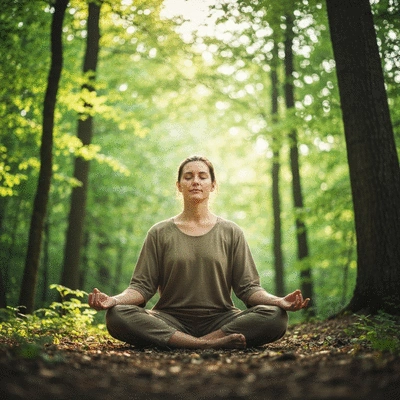
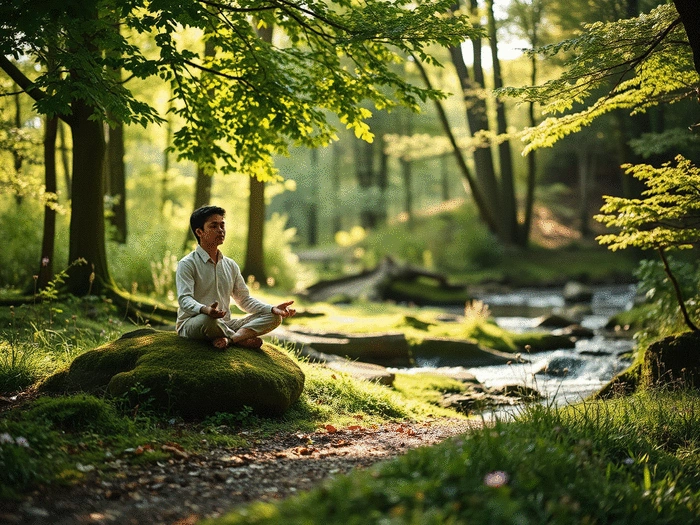
Nature therapy aids in processing grief, trauma, and promotes self-discovery and mindfulness.
Fosters an innate bond with nature, leading to a sense of belonging and responsibility.
Many of us have felt the calming embrace of nature—whether it's the rustling of leaves, the warmth of sunlight, or the sound of waves crashing on the shore. But did you know that nature has a profound impact on mental health? Numerous studies suggest that spending time outdoors can significantly enhance our emotional well-being. For instance, research shows that individuals who engage with natural environments report lower levels of anxiety and depression.
In fact, a study published in the journal Environmental Science & Technology found that just five minutes of exercise in a green space can boost mood and self-esteem. Think about it: nature isn’t just a backdrop to our lives; it’s a therapeutic ally that promotes healing!
It's fascinating how our connection to nature intertwines with our mental health. The concept of “biophilia” suggests that humans have an innate connection to the natural world. This connection prompts us to seek out environments that promote healing and wellness. When we immerse ourselves in nature, we activate our senses and create a sense of belonging, which can be crucial for mental recovery. This innate bond is similar to the deeper understanding of strategies for lasting happiness, as both emphasize our fundamental needs for connection and well-being.
As I’ve observed in my journey at Fairfax Fitness, many clients find that their mental clarity improves after even a short walk outdoors. They return refreshed and ready to tackle their fitness goals!
Let’s talk about stress. We all experience it, but did you know that spending time in nature can lower our cortisol levels? Research indicates that people who engage in nature-related activities, like hiking or gardening, show significant reductions in stress hormones. This means those moments spent outdoors aren’t just enjoyable; they’re actively contributing to our mental health.
Imagine taking a deep breath while surrounded by trees—your body responds naturally by calming down. Nature provides not only a visual escape but also a physiological benefit that helps us manage anxiety and stress effectively.
There’s also a direct correlation between nature and mood enhancement. Studies reveal that individuals who spend regular time outdoors experience less depression and improved overall mood. When we interact with natural environments, our brain receives a boost that enhances cognitive function.
At Fairfax Fitness, I often recommend outdoor workouts. They not only promote physical health but also elevate mood and mental clarity, making it a win-win situation!
Ecopsychology is a fascinating field that delves into our emotional connection with the earth. It emphasizes the significance of this bond for mental health. By understanding our place within the ecosystem, we foster a sense of responsibility and care, which can be incredibly healing.
Ecopsychology advocates for integrating nature into therapy, suggesting that re-establishing our connection to the environment can lead to profound transformations in mental health. When we engage with nature, we don’t just heal ourselves; we also nurture our planet!
Nature therapy and ecotherapy are gaining traction as methods to support emotional healing. These therapeutic practices encourage individuals to spend time in natural settings, facilitating emotional release and personal growth. The calming presence of trees or water can lead to breakthroughs that traditional therapy may not achieve alone.
As I continue to support my community through Fairfax Fitness, I’m excited to see how integrating more outdoor experiences can enhance emotional resilience in each individual’s journey! This aligns with the understanding that mindset matters in weight loss and other aspects of health, as emotional well-being is a cornerstone of lasting change.
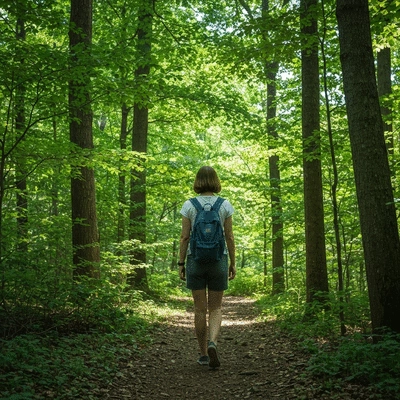
To truly harness the mental health benefits of nature, try incorporating a simple practice called "mindful walking." As you walk, focus on your surroundings—the colors of the leaves, the sound of birds, and the feeling of the ground beneath your feet. This mindfulness can enhance your connection to nature and deepen the emotional benefits you experience.
As we’ve explored, nature plays a vital role in promoting mental health and well-being. Immersion in natural environments can lead to significant positive outcomes, from reducing stress levels to enhancing mood and cognitive function. Studies have shown that spending just a few minutes outdoors can help lower cortisol levels and improve overall mental clarity.
It's not just about enjoyment; it's a necessary component of healing! Engaging with nature provides us with a sense of connection and peace that can be profoundly restorative. Whether it’s a park visit, a nature walk, or simply sitting under a tree, these experiences are essential for our mental wellness.
Spending time in nature has been shown to lower cortisol levels, which are primary stress hormones. This physiological response helps in calming the body and mind, effectively reducing stress.
Nature exposure improves mood, enhances cognitive functions like attention span, memory, and creativity, and reduces feelings of anxiety and depression. It also aids in emotional healing and fosters a sense of belonging.
Research suggests that even a short period, such as five minutes of exercise in a green space, can boost mood and self-esteem. Regular, consistent engagement is key for sustained benefits.
Ecopsychology is a field that studies the emotional connection between humans and the natural world. It asserts that this innate bond is crucial for mental health and advocates for integrating nature into therapeutic practices for healing and well-being.
You can take regular nature walks, practice forest bathing, create green spaces in your home, join community gardening events, and limit screen time when outdoors to fully immerse yourself in the natural environment.
Now that we understand the importance of nature, let’s talk about how you can start incorporating more of it into your daily life. Here are some actionable steps you can take:
By committing to these simple yet effective practices, you can significantly boost your mental health. Regular exposure to nature not only enhances your well-being but also deepens your appreciation for the environment around you. Remember, it’s all about taking small, consistent steps!
In conclusion, the benefits of connecting with nature are numerous and well-documented. From stress reduction to emotional healing, engaging with the natural world can be a powerful tool for improving mental health. I encourage you to embrace nature in your healing journey—whether it’s through a walk in the park or simply sitting quietly in your garden, every little bit counts! This holistic approach to well-being is highly effective, much like understanding the specific components that contribute to understanding macronutrients: a beginner's guide for physical health.
Let's make a commitment together to prioritize our mental well-being by allowing nature to play a larger role in our lives. After all, as we learned, nature is not just a backdrop; it’s an essential part of our healing process!
Here is a quick recap of the important points discussed in the article:
I'm Jordan H. Emerson, a dedicated health and fitness enthusiast passionate about empowering individuals on their wellness journeys. With a background in health sciences and years of personal training experience, I share actionable insights and trusted advice to help you achieve your health goals and build sustainable habits. My goal is to empower you with the knowledge and tools you need to foster lasting wellness and mental clarity.