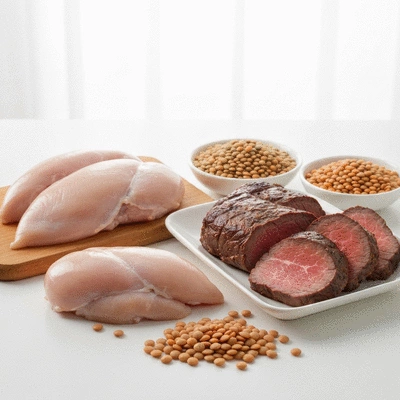
Did you know that incorporating protein into your diet can significantly enhance your feelings of fullness while preserving muscle mass? Understanding this connection is crucial for effective weight management. Here’s what you will learn about the vital role protein plays in your wellness journey.
What You Will Learn
Protein enhances satiety: It helps you feel fuller for longer, making it easier to control your calorie intake.
Supports muscle preservation: Adequate protein intake is crucial for maintaining lean mass, especially during calorie deficits.
Affects hormonal balance: Protein influences hormones like GLP-1, CCK, and PYY, which help regulate hunger and fullness.
Understanding hunger hormones: Ghrelin increases appetite while leptin signals satiety; balancing them is essential for weight management.
Protein aids in thermogenesis: It boosts energy expenditure, helping you burn more calories during digestion.
Promotes muscle protein synthesis: Essential for muscle repair and growth, especially when losing weight.
The Science Behind Protein: Satiety, Hormones, and Muscle
Delve into how protein profoundly impacts feelings of fullness, regulates key hunger hormones, and supports muscle preservation, offering a clear guide to optimizing your health and fitness journey. To truly grasp the bigger picture, it's beneficial to also have a solid understanding of macronutrients in general.
Protein's Role in Satiety
Protein stimulates hormones like GLP-1, CCK, and PYY, signaling fullness and reducing appetite. This helps prevent overeating and supports calorie control for effective weight management.
✓ GLP-1: Increases fullness
✓ CCK: Slows digestion
✓ PYY: Reduces appetite
Hormonal Balance for Appetite Control
Protein helps regulate ghrelin (hunger hormone) and leptin (satiety hormone). Balanced intake keeps ghrelin low and leptin effective, fostering a healthier relationship with food.
⚠ Ghrelin: Signals hunger
✓ Leptin: Signals satiety
✓ Protein: Balances both
Muscle Preservation & Metabolism
Protein triggers thermogenesis, increasing calorie expenditure. During weight loss, adequate protein intake is crucial for muscle protein synthesis, preserving lean muscle mass and enhancing recovery.
✓ Thermogenesis: Burns more calories
✓ MPS: Builds & repairs muscle
✓ Retention: Protects lean mass
Implementing Protein in Your Diet
To harness protein's benefits, track your intake, set reasonable goals, and prioritize protein-rich foods like lean meats, dairy, legumes, and nuts in every meal and snack.
● Track intake via app/diary
● Set personalized protein goals
● Prioritize rich food sources
The Connection Between Protein, Satiety, and Muscle Preservation
Understanding the connection between protein, satiety, and muscle preservation is key to effective weight management. Satiety refers to the feeling of fullness that occurs after eating, which plays a crucial role in appetite control. When we feel satisfied after a meal, we're less likely to reach for snacks or overeat later on, making it easier to maintain our health goals!
In this section, we’ll explore how protein impacts our feelings of fullness and its importance in our overall wellness journey. By understanding these connections, we can make informed choices to support our fitness goals.
Understanding Satiety and Its Importance in Weight Management
Satiety is not just about feeling full; it's a complex physiological process that helps regulate our appetite and food intake. When we eat, our bodies release various hormones that signal to our brain that we have consumed enough food. This feedback loop is essential for weight loss and maintaining a healthy lifestyle.
Effective appetite control can help prevent overeating and encourage healthier food choices. By learning to recognize our body's natural signals of hunger and fullness, we can make better decisions about what and when to eat.
Understanding your hunger cues helps in managing portion sizes.
Satiety plays a role in preventing emotional eating.
Awareness of satiety can aid in long-term weight management.
Incorporating practices that enhance satiety can lead to a more sustainable approach to health, which is a core value here at Fairfax Fitness. For a deeper dive into how your mind influences your eating habits, consider exploring mindset matters in weight loss.
The Role of Protein in Enhancing Fullness
Protein is often heralded as a powerhouse macronutrient when it comes to promoting satiety. Research shows that consuming protein-rich foods can stimulate the release of hormones like GLP-1, CCK, and PYY, which help signal fullness and curb appetite.
Incorporating adequate protein into our meals can lead to reduced hunger throughout the day, making it easier to stick to our nutrition goals. This is especially important for those looking to manage their weight effectively!
GLP-1: Increases feelings of fullness.
CCK: Slows down digestion and signals the brain to stop eating.
PYY: Reduces appetite in response to food intake.
As we explore the benefits of protein further, keep in mind that prioritizing protein sources can significantly impact your overall health journey.
The Impact of Hunger Hormones on Appetite Control
Understanding hunger hormones is essential for effective appetite control. Two pivotal hormones, ghrelin and leptin, play opposing roles in our bodies. Ghrelin, often dubbed the “hunger hormone,” increases appetite and signals the body to seek out food, while leptin helps regulate energy balance by inhibiting hunger.
When we consume a diet low in protein, ghrelin levels can remain elevated, leading to continuous feelings of hunger. Balancing protein intake can help keep these hormones in check, promoting a healthier relationship with food.
Ghrelin: Signals hunger and increases appetite.
Leptin: Signals satiety and reduces appetite.
Balancing these hormones is crucial for weight management.
By learning about these hormones, we can make dietary choices that support our fitness goals and enhance our overall well-being.
Mechanisms of Protein's Effect on Appetite and Muscle Retention
How Protein Affects Hormones and Energy Expenditure
Protein doesn’t just fill us up; it also influences our metabolism. When we consume protein, our bodies engage in a process known as thermogenesis, which increases energy expenditure. This means that our bodies burn more calories processing protein than they would with fats or carbohydrates.
Additionally, amino acid oxidation during protein metabolism contributes to muscle maintenance and overall body composition. This metabolic advantage underscores the importance of including protein in our daily diet.
Protein's Impact on Muscle Protein Synthesis
For those of us dedicated to fitness, preserving lean muscle mass during calorie deficits is a top priority. Protein plays a crucial role in muscle protein synthesis, the process through which our bodies repair and build muscle tissue. Adequate protein intake is essential when trying to lose weight while maintaining muscle.
When we consume enough protein, we not only support muscle retention but also enhance recovery post-exercise. This is vital for anyone looking to improve their performance and overall health journey! Understanding muscle recovery importance can further help you optimize your fitness regimen.
Understanding Protein Digestion and Metabolism
The way our bodies digest and metabolize protein has a profound impact on muscle recovery and performance. After consumption, proteins are broken down into amino acids, which are then utilized for various bodily functions, including muscle repair.
Understanding this process can help you make more informed choices about your protein sources and timing throughout the day. Choosing high-quality protein can optimize your nutrition and enhance your fitness results.
Did You Know?
A study published in the American Journal of Clinical Nutrition found that individuals who increased their protein intake to 25-30% of their daily calories experienced a significant reduction in hunger levels and a decrease in overall calorie consumption. This highlights the powerful role protein plays in satiety and weight management!
Frequently Asked Questions About Protein and Weight Management
Protein stimulates the release of hormones like GLP-1, CCK, and PYY, which send signals to your brain that you are full and help reduce your appetite, making it easier to control your calorie intake.
Preserving lean muscle mass is crucial because muscle burns more calories at rest than fat. Maintaining muscle helps keep your metabolism active, which is beneficial for sustainable weight management and overall body composition.
Hormones like ghrelin (which increases appetite) and leptin (which signals satiety) regulate your hunger. A balanced protein intake helps keep ghrelin levels low and leptin effective, preventing constant hunger and supporting better appetite control.
Yes, protein has a higher thermic effect than fats or carbohydrates. This means your body expends more energy (burns more calories) to digest and process protein, contributing to increased overall calorie expenditure.
Excellent protein sources include lean meats (chicken, beef, fish), dairy products (yogurt, cheese), legumes (beans, lentils), nuts, and seeds. Prioritizing these foods in your meals and snacks can help you meet your protein goals.
Summarizing the Importance of Protein in Satiety and Muscle Preservation
In conclusion, we've explored the critical role of protein in enhancing satiety and preserving muscle mass. As we've seen, protein not only plays a significant role in appetite regulation through various hormones, but it also helps maintain lean muscle during weight management efforts. It’s clear that prioritizing protein is essential for anyone looking to achieve their health and fitness goals.
To recap, remember these key points:
Protein enhances satiety: It helps you feel fuller for longer, making it easier to control your calorie intake.
Supports muscle preservation: Adequate protein intake is crucial for maintaining lean mass, especially during calorie deficits.
Affects hormonal balance: Protein influences hormones like GLP-1, CCK, and PYY, which help regulate hunger and fullness.
By incorporating more protein into your diet, you can significantly improve your chances of successful weight management while supporting muscle retention. As someone who has experienced the benefits of protein firsthand, I can assure you that these insights can truly make a difference on your wellness journey!
Call to Action: How to Implement These Insights in Your Daily Life
Now that you understand the importance of protein, it's time to take action! I encourage you to assess your current protein intake and consider making adjustments based on your personal health goals. Here are a few simple steps to get started:
Track your intake: Use a food diary or a mobile app to keep tabs on how much protein you’re consuming daily.
Set a target: Determine a reasonable protein goal based on your age, activity level, and fitness objectives.
Prioritize protein-rich foods: Aim to include more lean meats, dairy, legumes, and nuts in your meals and snacks.
Taking these small steps can lead to significant improvements in your satiety and muscle preservation. Remember, at Fairfax Fitness, we’re here to support you in making these sustainable changes. Let’s empower your journey together!
Recap of Key Points
Here is a quick recap of the important points discussed in the article:
Protein enhances satiety: It helps you feel fuller for longer, making it easier to control your calorie intake.
Supports muscle preservation: Adequate protein intake is crucial for maintaining lean mass, especially during calorie deficits.
Affects hormonal balance: Protein influences hormones like GLP-1, CCK, and PYY, which help regulate hunger and fullness.
About Me
Welcome to Fairfax Fitness!
I'm Jordan H. Emerson, a dedicated health and fitness enthusiast passionate about empowering individuals on their wellness journeys. With a background in health sciences and years of personal training experience, I share actionable insights and trusted advice to help you achieve your health goals and build sustainable habits. My goal is to empower you with the knowledge and tools you need to foster lasting wellness and mental clarity.