
May 01
Eating and Metabolism: The Connection
To enhance your understanding of how what you eat affects your metabolism, consider the impact of the Thermic Effect of Food (TEF). This knowledge can empower you to make informed dietary choices that support your health goals.
What You Will Learn
- The Thermic Effect of Food (TEF) accounts for about 10% of daily calorie expenditure, highlighting the energy your body uses to digest food.
- Protein has the highest TEF, requiring 20-30% of its energy content for digestion, which means it can significantly boost your metabolism.
- Incorporating high-TEF foods, particularly lean proteins, can support effective weight management and enhance overall metabolic rates.
- Understanding the TEF of macronutrients can help you balance your energy intake with expenditure for better health outcomes.
The Thermic Effect of Food: Understand How Eating Affects Your Metabolism
Have you ever wondered why some foods seem to have a more significant impact on your energy levels than others? That’s where the Thermic Effect of Food (TEF) comes into play! TEF refers to the energy expended during the process of digesting and metabolizing food. Essentially, it’s the amount of energy your body uses to break down food and absorb the nutrients. Understanding TEF is vital because it plays a significant role in our overall energy expenditure, directly influencing our metabolism.
TEF accounts for about 10% of your daily calorie expenditure. This means that your body uses energy, even while digesting your meals! Each macronutrient—proteins, carbohydrates, and fats—has a different TEF value, which affects how many calories you burn during digestion. When you eat a meal, your body works hard to process it, and knowing this can help you make informed dietary choices that align with your health goals. For a deeper dive into how different food components affect your body, you might want to explore understanding macronutrients: a beginner's guide.
Defining the Thermic Effect of Food (TEF)
The Thermic Effect of Food can be thought of as a metabolic bonus from what you eat! When you consume food, your body has to work to digest it, breaking down nutrients and absorbing them. This process requires energy, which is where TEF comes in. Studies suggest that protein has the highest TEF, followed by carbohydrates, and then fats. This means that choosing foods with a higher TEF can help increase your calorie burn, even at rest!
- Protein: Has the highest thermic effect (20-30% of its energy content is used in digestion)
- Carbohydrates: Moderate thermic effect (5-15% of their energy content used)
- Fats: Lowest thermic effect (0-3% of their energy content used)
By understanding TEF, you can make more strategic choices about what you eat. It’s not just about counting calories; it’s about choosing foods that help you maximize energy expenditure!
How TEF Contributes to Your Overall Metabolism
TEF plays a critical role in our daily caloric burn. When you’re out and about, exercising, or just completing daily tasks, your body is constantly using calories. The TEF adds an extra layer to this process by utilizing energy during digestion. This means that by simply being mindful of the foods you consume, you can enhance your metabolic rate.
- Incorporating high-TEF foods can support weight management.
- Understanding TEF can help you balance your energy intake with expenditure.
- A well-timed intake of macronutrients can enhance overall metabolism.

As I often explain to my clients at Fairfax Fitness, it’s not just about working out; how you fuel your body matters immensely! By choosing foods that have a higher thermic effect, you’re making an investment into your metabolism and overall health. This strategy is also crucial when considering calculating your personalized caloric needs to ensure your diet supports your fitness goals.
Breaking Down Macronutrients: Which Foods Have the Highest TEF?
Now that we’ve covered what TEF is and why it matters, let’s dive into the macronutrients and see how they stack up! Each macronutrient has a different impact on your body’s energy expenditure, so it’s essential to know which ones to focus on for maximum benefit.
The Impact of Protein on TEF
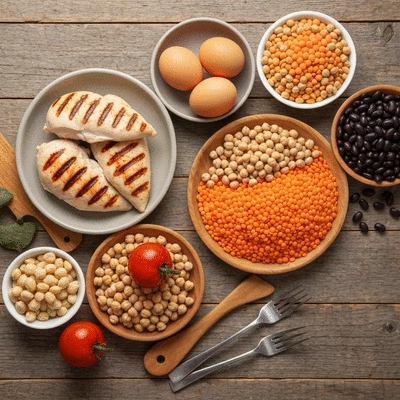
Protein stands out as the champion of TEF! Foods rich in protein require more energy to digest than carbohydrates or fats, which means more calories burned during digestion. This is why incorporating high-protein foods into your diet can significantly boost your metabolism.
- Chicken breast
- Turkey
- Fish
- Legumes (like lentils and beans)
- Greek yogurt
Including these high-protein foods in your meals can help enhance your thermic effect while also supporting muscle growth and recovery—two components that are essential on your wellness journey!
High-Protein Foods to Incorporate into Your Diet
There are plenty of delicious and nutritious protein-rich foods you can enjoy! Here are some excellent examples:
- Eggs: A versatile source of protein packed with essential nutrients.
- Quinoa: A complete protein that's also a great source of fiber.
- Nuts and seeds: Perfect for snacking and packed with healthy fats.
As you explore these options, remember that high-protein foods not only support your metabolism but also keep you feeling full longer, which can help in managing cravings!
Understanding Carbohydrates and Fats in TEF
While protein takes the lead in terms of TEF, it’s essential to understand how carbohydrates and fats contribute as well. Carbohydrates have a moderate thermic effect and are vital for energy, while fats have the lowest TEF. It’s a balancing act; including both in appropriate amounts can support your overall health.
When planning your meals, aim to include a variety of macronutrients to ensure you’re getting the benefits of each. This balanced approach helps facilitate a sustainable energy supply throughout the day, supporting your activities and workouts. Understanding the nuances of meal timing and nutrient absorption can further optimize these benefits.
Low-TEF Foods to Minimize
While it’s important to know which foods to include in your diet, being aware of those that have low TEF can also help. Here are some foods that don’t significantly contribute to energy expenditure:
- Processed snacks (like chips and cookies)
- Sugary drinks
- Refined grains (such as white bread)
These items are often low in nutrients and can hinder your metabolism. Instead, focus on whole foods that not only fuel your body but also keep your metabolism working efficiently!
The Role of Dietary Fiber in Enhancing TEF
One often-overlooked aspect of TEF is dietary fiber. While fiber itself isn’t digested in the same way as other macronutrients, it plays a crucial role in digestive health and can help increase the thermic effect of your meals. High-fiber foods require more energy to process, thus enhancing TEF!
Incorporating plenty of fruits, vegetables, and whole grains into your diet can significantly boost your fiber intake. This not only improves digestion but can also keep you feeling satiated, helping you manage your weight more effectively.
Interactive Poll: Your Thoughts on TEF!
How important do you think the thermic effect of food is in your daily diet? Share your opinion below!
Frequently Asked Questions (FAQs) About TEF
Achieving Your Health Goals Through Strategic Eating
Understanding the thermic effect of food (TEF) is crucial for anyone looking to enhance their metabolism and manage their weight effectively. By making informed choices about what you eat, you can leverage this natural process to your advantage. High-TEF foods can significantly boost your calorie burn during digestion, which can lead to improved energy balance over time. Remember, every small decision adds up to big changes!
At Fairfax Fitness, we emphasize the importance of integrating foods with a high thermic effect into your daily meals. This approach isn't just about losing weight; it's about cultivating sustainable habits that support your overall health and wellness journey. Consistency is key, so start by incorporating these strategies into your routine.
Call to Action: Start Boosting Your Metabolism Today
Are you ready to take your health to the next level? Begin by incorporating more high-TEF foods into your meals! These foods not only enhance your metabolism but also support lasting energy levels throughout the day. Consider creating personalized meal plans that focus on your specific needs and goals.
- Lean proteins such as chicken, turkey, and fish
- High-fiber foods like legumes, fruits, and vegetables
- Healthy fats in moderation, like avocados and nuts
By focusing on these food choices, you're setting yourself up for success in achieving your health goals. And don’t forget, tracking your progress is essential; consider keeping a food diary or using apps to monitor your intake!
Downloadable Resources
To support you in your journey, we've created a downloadable TEF meal plan that outlines high-TEF foods and provides meal ideas to help you maximize your metabolism. This valuable resource will give you the tools you need to start integrating these strategies into your life today!
Recap of Key Points
Here is a quick recap of the important points discussed in the article:
- The Thermic Effect of Food (TEF) accounts for about 10% of daily calorie expenditure.
- Protein has the highest TEF, followed by carbohydrates and fats, meaning it burns more calories during digestion.
- Incorporating high-TEF foods can support weight management and enhance overall metabolism.
- Including dietary fiber in your meals can help increase TEF and improve digestive health.
- Being mindful of food choices, such as minimizing low-TEF foods like processed snacks and sugars, can aid in achieving health goals.
About Me

Welcome to Fairfax Fitness!
I'm Jordan H. Emerson, a dedicated health and fitness enthusiast passionate about empowering individuals on their wellness journeys. With a background in health sciences and years of personal training experience, I share actionable insights and trusted advice to help you achieve your health goals and build sustainable habits. My goal is to empower you with the knowledge and tools you need to foster lasting wellness and mental clarity.
Recent Posts

Effective Strategies for Weight Maintenance
2026-10-08
Nurturing Your Health Goals Together
2026-10-07