Cause 1: Metabolic Adaptation & Stagnation
- ✓Body needs fewer calories as weight drops.
- ✓Exercise routine becomes less effective.
- ✓Stress/sleep impact hormones & metabolism.
Apr 21
Have you ever felt like your weight loss journey was going great, only to suddenly hit a wall? This common experience, known as a weight loss plateau, can be frustrating, but understanding it is the first step to overcoming it. Here’s what you can learn about breaking through these barriers.
Weight loss plateaus are a natural part of the journey. This visual breaks down the primary causes and effective strategies to overcome them, focusing on metabolic, hormonal, and dietary factors.
Have you ever felt like you were making great progress on your weight loss journey, only to hit a wall? This experience is known as a weight loss plateau, and it can be incredibly frustrating! Understanding what plateaus are and why they happen is essential to overcoming them and continuing your journey toward lasting wellness.
A weight loss plateau occurs when your body stops shedding pounds despite maintaining the same diet and exercise routine. This stagnation can last weeks or even months, leaving many feeling disheartened. But remember, hitting a plateau doesn’t mean you’ve failed—it’s a natural part of the process!
Weight loss plateaus are periods where your progress slows down or comes to a halt. During these times, you may feel like you’ve hit a brick wall, despite sticking to your established routines. It's crucial to recognize that plateaus can happen to anyone, regardless of their level of fitness or experience. Exploring the mindset matters in weight loss, as mental resilience is key to pushing through these challenging phases.
It’s important to stay patient and remember that progress isn’t just measured by the scale. Sometimes, your body is working hard behind the scenes to adapt and stabilize, which is a crucial part of your overall journey.
So, what causes these pesky plateaus? One significant factor is metabolic adaptation. As you lose weight, your body requires fewer calories to function, which can slow down your weight loss progress. Other common culprits include:
Understanding these causes can empower you to make informed changes and push past your plateau. It’s all about finding what works for your body and lifestyle!
Hormones play a significant role in weight loss, particularly leptin and ghrelin. Leptin, often referred to as the "satiety hormone," signals to your brain that you’re full. As you lose weight, leptin levels can decrease, making it harder to feel satisfied after meals. On the flip side, ghrelin is known as the "hunger hormone." When you diet, ghrelin levels can rise, increasing your appetite and potentially leading to weight regain.
By understanding these hormonal influences, you can better navigate your weight loss journey. Staying mindful of how your body reacts and finding strategies that support hormonal balance can be key to breaking through plateaus!
Insulin sensitivity is another critical factor affecting weight loss. When your body is more sensitive to insulin, it can efficiently use glucose for energy instead of storing it as fat. This sensitivity can fluctuate based on your diet, activity level, and overall health.
Focusing on foods that support insulin sensitivity—like whole grains, lean proteins, and healthy fats—can significantly impact your results. Remember, consistency is key!
Here's a brief recap of the key points discussed so far:
When you're on a weight loss journey, hitting a plateau can be frustrating. It often feels like all your hard work is going unnoticed! But don't worry, making some effective dietary adjustments can help you break through this barrier and continue on your path to wellness.
In this section, I'll share some practical dietary strategies that can help you overcome weight loss plateaus. From increasing protein intake to exploring nutrient timing, these adjustments are designed to keep your metabolism active and your body fueled for success.
One of the most effective ways to enhance fat loss is by increasing your protein intake. Protein plays a crucial role in building and maintaining muscle mass, which is vital for boosting your metabolism. When you consume adequate protein, your body requires more energy to digest it, leading to increased caloric expenditure—talk about a win-win!
As you look to incorporate more protein into your meals, consider options like lean meats, fish, legumes, and dairy. These nutrient-dense foods support your weight loss journey and ensure you feel satiated and energized.
So, how much protein should you aim for? A good rule of thumb is to include about 0.8 to 1 gram of protein per pound of body weight in your diet. For example, if you weigh 150 pounds, that's about 120 to 150 grams of protein daily. Adjusting your intake to meet this guideline can significantly impact your weight loss progress!
Fiber is another key player in overcoming weight loss plateaus. Not only does it promote digestive health, but it also helps you feel fuller for longer. When you boost your fiber intake, you can easily manage hunger and avoid those pesky snacking temptations that can derail your progress!
To add more fiber to your diet, focus on whole grains, fruits, vegetables, and legumes. These foods not only provide essential nutrients but also keep you satisfied throughout the day.
Soluble fiber, in particular, has unique benefits for weight loss. Found in foods like oats, beans, and fruits, soluble fiber forms a gel-like substance in the gut, slowing digestion and promoting a feeling of fullness. Incorporating these foods can make it easier to stick to your dietary goals without feeling deprived!
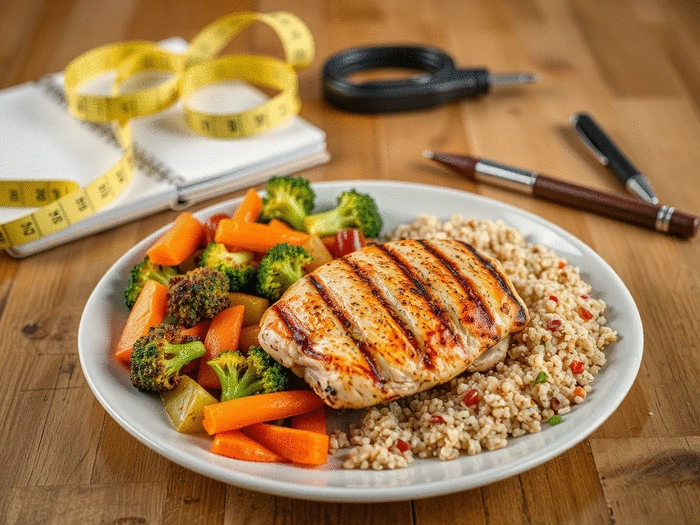
Tracking your caloric intake is a powerful tool when it comes to overcoming weight loss plateaus. It's easy to underestimate how much you eat, and keeping a food journal can help you identify patterns and areas for improvement. By being mindful of your caloric consumption, you can make informed choices that support your weight loss journey.
Using apps or a simple notebook, jot down everything you consume for a week. This practice can reveal valuable information and help you stay accountable to your goals!
To effectively monitor your caloric intake, start by calculating your daily caloric needs based on your activity level and weight loss goals. Then, aim to create a caloric deficit of 500-1000 calories per day for gradual weight loss. Remember, consistency is key, so stick with it and adjust as necessary!
A well-rounded diet isn't just about counting calories; it’s essential to balance your macronutrients. Each macronutrient plays a unique role in your body and contributes to overall health and weight loss. By focusing on a balanced intake of carbohydrates, fats, and proteins, you can ensure that your body functions optimally while shedding those extra pounds! For a deeper dive, check out our guide on understanding macronutrients: a beginner's guide.
Consider the following balance when structuring your meals:
This approach allows for a sustainable diet that nourishes your body while keeping you energized and satisfied. Experiment with different ratios to find what works best for you!
Intermittent fasting has gained popularity as an effective strategy for weight loss. By cycling between periods of eating and fasting, many find it easier to manage their caloric intake and enhance their metabolic health. If you're curious about this method, it might be worth exploring to see if it fits your lifestyle! For more details, you can compare intermittent fasting or calorie restriction to see which approach aligns better with your goals.
Common intermittent fasting methods include:
Before diving in, remember to consult with a healthcare professional, especially if you have any underlying health conditions. This strategy may not be suitable for everyone, but it can be a game-changer for some!
Nutrient timing refers to when you eat your meals, especially around your workouts. Consuming the right nutrients at the right times can enhance performance and recovery, making it easier to stay on track with your weight loss goals. Consider optimizing your meals around your workout schedule to maximize your results.
Here are a few tips to consider:
By paying attention to when you eat, you can support your body’s needs and make your weight loss journey more effective!
A: A weight loss plateau occurs when your body stops losing weight despite maintaining a consistent diet and exercise routine. It's a natural part of the weight loss journey where your body adapts to the changes you've made.
A: Plateaus can be caused by several factors, including metabolic adaptation (your body needing fewer calories as you lose weight), hormonal changes (like decreased leptin and increased ghrelin), inconsistent caloric intake, and exercise routine stagnation.
A: Effective strategies include increasing protein and fiber intake, meticulously tracking caloric intake to identify hidden calories, balancing macronutrients, and exploring advanced strategies like intermittent fasting and optimizing nutrient timing around workouts.
A: A good general guideline is to aim for 0.8 to 1 gram of protein per pound of body weight daily. This helps maintain muscle mass, boosts metabolism, and promotes satiety.
A: As you lose weight, leptin (the satiety hormone) levels can decrease, making you feel hungrier. Conversely, ghrelin (the hunger hormone) levels can increase, boosting your appetite. Understanding these hormonal shifts helps in managing hunger and cravings.
Here is a quick recap of the important points discussed in the article:
I'm Jordan H. Emerson, a dedicated health and fitness enthusiast passionate about empowering individuals on their wellness journeys. With a background in health sciences and years of personal training experience, I share actionable insights and trusted advice to help you achieve your health goals and build sustainable habits. My goal is to empower you with the knowledge and tools you need to foster lasting wellness and mental clarity.