Collagen's Role: The Body's Abundant Protein
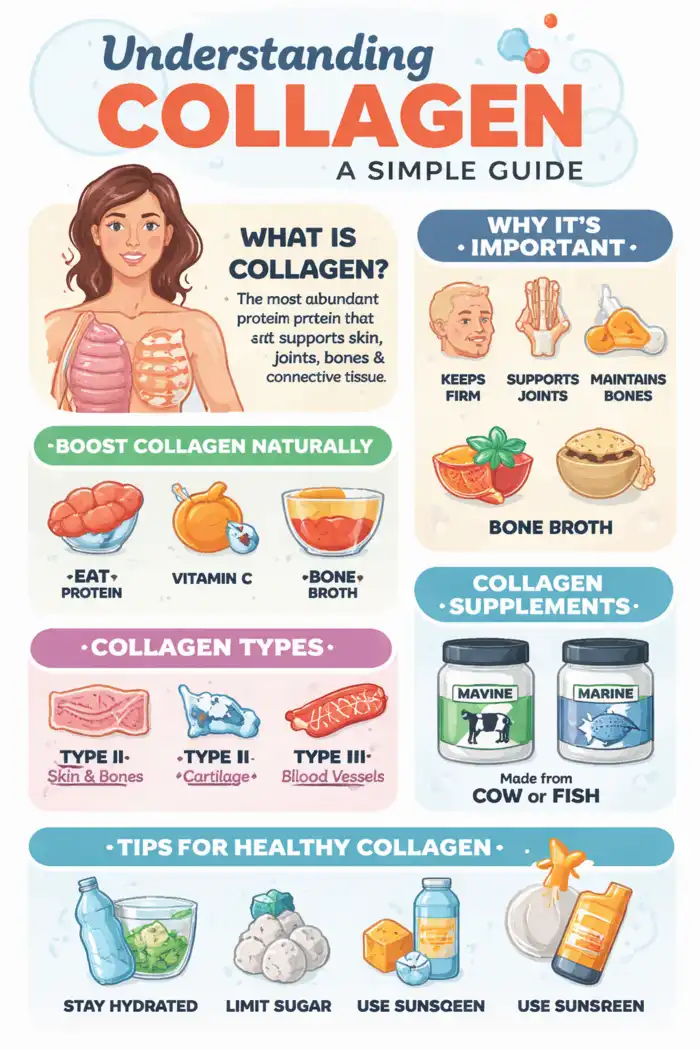
Collagen is the most abundant protein, making up about 30% of total protein content. It provides structure to skin, bones, muscles, tendons, and ligaments.
Mar 28
Did you know that collagen is the most abundant protein in our bodies, comprising about 30% of our total protein content? Understanding its significance can unlock the keys to better health and wellness!
Delve into the three primary types of collagen and their distinct roles in the body, understanding how each contributes to overall health. Below, you'll find a comparison of these vital proteins. For a deeper understanding of how different nutrients impact your body's recovery and performance, explore our guide on understanding macronutrients: a beginner's guide.
Collagen is the most abundant protein, making up about 30% of total protein content. It provides structure to skin, bones, muscles, tendons, and ligaments.
Do you ever wonder why collagen is such a buzzword in the health and wellness community? Collagen is the most abundant protein in our bodies, making up about 30% of our total protein content! It's a vital component that provides structure to our skin, bones, muscles, tendons, and ligaments. But what exactly makes it so essential for overall health? Let's dive in!
Collagen is essentially the glue that holds our bodies together. It’s a protein that forms a scaffold to provide strength and support, and it plays a crucial role in maintaining the integrity of our connective tissues. Without sufficient collagen, our skin can lose elasticity, joints can become stiff, and we might even notice slower recovery from injuries. It's amazing how this one protein affects so many facets of our health! To further support your body's ability to repair and rebuild, understanding muscle recovery importance is key.
At Fairfax Fitness, we believe in the importance of understanding how our bodies work. By incorporating collagen into your wellness journey, you can promote healthier skin, joints, and overall vitality!
Collagen is naturally found in the body, but it can also be sourced from various foods. Some of the best natural sources of collagen include:
Including these foods in your diet can help bolster your body’s collagen levels. Plus, it’s always exciting to explore new recipes that incorporate these nourishing ingredients!
As we age, our body's natural collagen production decreases, leading to wrinkles and sagging skin. Collagen plays a key role in skin elasticity and hydration, helping to keep our skin looking plump and youthful. When we maintain adequate levels of collagen, our skin remains resilient and can better retain moisture.
For those of us passionate about health and fitness, understanding collagen's role in skin health can inspire us to take action—whether through dietary choices or supplementation. After all, who doesn’t want to feel confident in their skin while pursuing fitness goals?
Collagen exists in multiple forms, but the three most common types are Type I, Type II, and Type III. Each type serves different functions in the body:
Understanding these types can help you choose the right collagen sources or supplements tailored to your specific health needs. For instance, if joint health is your focus, you might want to look for products containing Type II collagen. This targeted approach to health is similar to how focusing on reversing prediabetes with lifestyle changes can significantly impact specific health outcomes.
To maximize the benefits of collagen, consider combining your intake with Vitamin C-rich foods such as oranges, strawberries, and bell peppers. Vitamin C plays a vital role in collagen synthesis, enhancing its effectiveness in promoting skin elasticity and overall health!
As we wrap up our exploration of collagen, it’s crucial to highlight its numerous benefits and why integrating it into your wellness routine can be a game-changer. From supporting skin health to enhancing joint function, collagen truly plays a vital role in our overall well-being. By understanding its significance, we can make informed choices about our health and nutrition.
To summarize, here are some key insights into the benefits of collagen:
Considering these benefits, it’s no wonder that many are turning to collagen supplements as part of their daily routine. I encourage you to think about how you can incorporate collagen into your lifestyle!
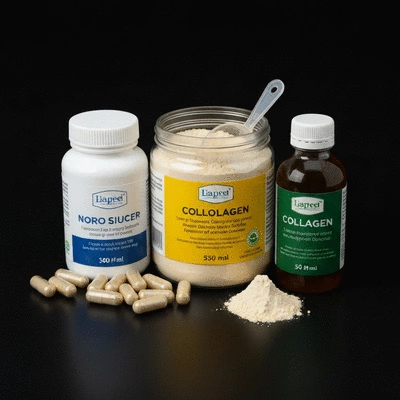
Finding quality collagen supplements is essential for ensuring you get the best benefits. At Fairfax Fitness, we prioritize integrity and inclusivity, so we recommend looking for brands that are transparent about their sourcing and production processes. Here are some trusted places to find collagen supplements:
Make sure to read reviews and check ingredient lists when choosing a product. With the right supplement, you can support your journey towards enhanced health and wellness!
Getting started with collagen is easier than you might think! Here are some simple steps to help you incorporate collagen into your routine:
With this simple approach, you can start reaping the benefits of collagen in no time!
I love connecting with our Fairfax Fitness community! If you’ve started using collagen or are considering it, I’d love to hear about your experiences. Sharing your journey not only helps you reflect on your progress but can also inspire others on their health paths.
Let’s kick off an engaging conversation—feel free to comment or reach out on social media!
In addition to supplements, incorporating collagen-rich foods into your diet can provide a natural boost. Here are some foods to consider:
By focusing on a diet that promotes collagen production and includes collagen-rich foods, you can support your body’s natural health. Remember, at Fairfax Fitness, we’re all about taking small, sustainable steps toward a healthier lifestyle! For more ways to support your wellness, consider exploring strategies for lasting happiness.
Here is a quick recap of the important points discussed in the article:
I'm Jordan H. Emerson, a dedicated health and fitness enthusiast passionate about empowering individuals on their wellness journeys. With a background in health sciences and years of personal training experience, I share actionable insights and trusted advice to help you achieve your health goals and build sustainable habits. My goal is to empower you with the knowledge and tools you need to foster lasting wellness and mental clarity.