Aug 17
Healthy Snack Ideas for Everyone
In today's fast-paced world, many people view snacking as a guilty pleasure. However, it can also be a crucial part of maintaining a balanced diet. Understanding the components of healthy snacking can empower you to make better choices that satisfy cravings while nourishing your body.
What You Will Learn
- Balance your snacks with protein, fiber, and healthy fats for sustained energy.
- Practice mindful eating to enhance your snacking experience and develop a better relationship with food.
- Be aware of portion sizes to prevent overeating and ensure nutrient-dense choices.
- Incorporate a variety of whole foods and superfoods into your snacks for additional health benefits.
Key Elements of Satisfying Snacking
Healthy snacking is an integral part of a balanced diet. The visual below highlights the key components, nutritious options, and mindful practices that contribute to satisfying and wholesome snacking. For more insights on optimizing your diet, consider understanding macronutrients.
Key Components of Healthy Snacks
- Protein: Lasting energy, satiety
- Fiber: Aids digestion, promotes fullness
- Healthy Fats: Brain function, sustainable energy
Nutritious Snack Options
- Whole Foods (e.g., fruit, veggie sticks, nuts)
- Superfoods (e.g., chia seeds, dark chocolate)
- Balanced combinations (e.g., apple with nut butter)
Mindful Snacking Practices
- Eat Intentionally: Snack with purpose
- Avoid Distractions: Focus on your food
- Recognize Hunger Cues: Distinguish physical vs. emotional
Key Takeaways for Success
- Balance Protein, Fiber, Fats for energy
- Practice mindful eating & portion awareness
- Incorporate diverse whole foods & superfoods
Understanding Healthy Snacking: What Makes a Snack Satisfying?
Snacking can often be viewed as a guilty pleasure, but it doesn’t have to be! At Fairfax Fitness, we believe that healthy snacking is an essential part of a balanced diet. The key to satisfying your cravings and keeping your energy levels stable lies in choosing the right snacks. Let's dive deeper into what makes a snack not just satisfying, but also nutritious!
Healthy snacks should ideally contain a balance of key nutrients. Remember, it’s not just about filling your stomach; it’s about fueling your body! When you’re mindful of what you eat, you can choose snacks that nourish both your body and mind.
Defining Healthy Snacks: Key Components of Nutrition
So, what exactly constitutes a healthy snack? Here are some essential components you should consider:
- Protein: Helps keep you full and provides lasting energy.
- Fiber: Aids digestion and promotes satiety.
- Healthy Fats: Supports brain function and provides energy.
By focusing on these components, you can create snacks that not only taste good but also work to enhance your overall health!
The Role of Protein in Satiety and Energy
Protein is a powerhouse when it comes to staying full longer. When you include protein-rich foods in your snacks—like Greek yogurt or nuts—you’ll notice that your hunger pangs diminish. Plus, protein contributes to muscle repair, making it an excellent choice for those of us on a fitness journey! You can learn more about how protein supports your fitness goals by understanding muscle recovery.
For instance, try pairing some cottage cheese with fruit or enjoying a handful of almonds. These snacks can keep your energy up and help you power through the afternoon slump!
Importance of Fiber for Digestive Health
Fiber plays a crucial role in our digestive health. It not only keeps your gut happy but also helps you feel satisfied after eating. Foods rich in fiber, such as fruits, vegetables, and whole grains, can help regulate your digestion and maintain steady energy levels throughout the day.
When snacking, consider options like baby carrots with hummus or an apple with nut butter. These combinations are not only delicious but also packed with fiber, making them smart additions to your snack repertoire!
Healthy Fats: Fueling Your Body Sustainably
Don’t shy away from healthy fats! Foods like avocados, olive oil, and fatty fish provide essential fatty acids that are vital for brain health and hormone production. They also help you feel full and satisfied.
For a quick snack, enjoy some guacamole with whole-grain crackers or a few slices of avocado on toast. These options are not only tasty but also give your body the fuel it needs to thrive.
Exploring Nutritious Snack Options: Whole Foods and Superfoods
Now that we understand the components of healthy snacking, let’s look at some nutritious options that can easily be incorporated into your diet. Whole foods and superfoods are fantastic choices that provide a wide range of health benefits.
Incorporating Whole Foods for Better Health
Whole foods are minimally processed and full of nutrients. They can be fruits, vegetables, whole grains, or nuts. Here’s a quick list of whole food snacks:
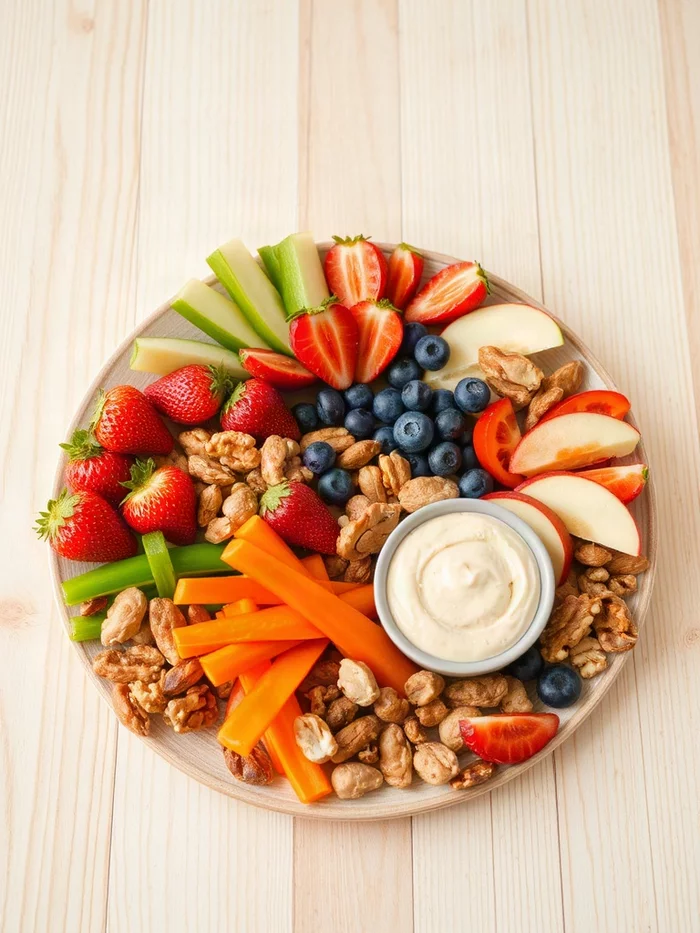
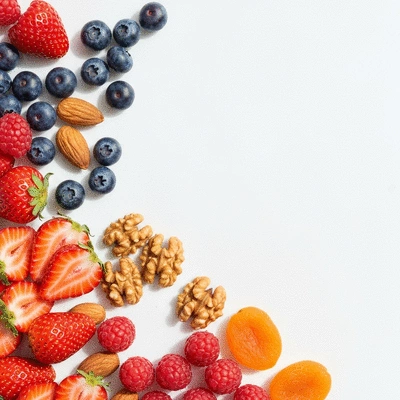
- Fresh fruit like bananas or berries
- Vegetable sticks with hummus
- Homemade trail mix with nuts and seeds
These snacks are not only easy to prepare but also rich in vitamins and minerals, promoting overall health and wellness!
Superfoods You Can Add to Your Snacks
Superfoods pack an extra punch of nutrients. They’re a great way to elevate your snacking game! Consider adding these superfoods to your daily snacks:
- Chia seeds: Add them to smoothies or yogurt for a fiber boost.
- Quinoa: Use cooked quinoa in salads or as a topping for roasted veggies.
- Dark chocolate: A small piece can satisfy your sweet tooth while providing antioxidants.
Incorporating these superfoods can make your snacks not only tastier but also healthier. It’s all about making wise choices that work for your lifestyle!
Mindful Eating Practices for Better Snacking
As we explore healthy snacking, it’s essential to integrate mindful eating practices. These practices can enhance your snacking experience and help you develop a better relationship with food.
Eating Intentionally: How to Snack with Purpose
Snacking isn't just about eating mindlessly; it’s about making intentional choices. Before grabbing a snack, ask yourself: “Am I truly hungry, or am I eating out of boredom?” This simple question can help you make more conscious decisions about your food intake.
Next time you feel the urge to snack, take a moment to assess your motivation. Are you craving something specific, or are you just reaching for the nearest bag of chips? Making thoughtful choices can lead to greater satisfaction!
Avoiding Distractions: Creating a Focused Snacking Environment
Distractions can lead to mindless eating. To truly enjoy your snacks, find a quiet space where you can focus on your food. Turn off screens and take a moment to appreciate what you’re eating. This practice can enhance your enjoyment and help you feel more satisfied.
Try setting aside time to enjoy your snack without multitasking. You’ll find that being in the moment can elevate your snacking experience!
Recognizing Hunger Cues vs. Emotional Eating
Understanding your body's hunger cues is vital. Sometimes, we confuse emotional hunger with physical hunger. Take a moment to distinguish between the two—are you eating because you're truly hungry, or is it out of stress or boredom?
To cultivate awareness, keep a food journal where you note what you eat and how you feel. This can help you identify patterns and make healthier snacking choices in the future! For further reading on this topic, explore understanding stress eating triggers.
Pro Tip
To elevate your snacking game, consider preparing a variety of healthy snacks in advance. This not only saves time but also ensures that you have nutritious options readily available when cravings strike. Try batching snacks like homemade energy bars or sliced veggies with hummus at the beginning of the week!
Frequently Asked Questions About Healthy Snacking
Q1: What are the key components of a healthy snack?
A1: Healthy snacks should include a balance of protein for lasting energy and satiety, fiber to aid digestion and promote fullness, and healthy fats to support brain function and provide sustainable energy.
Q2: How can I make my snacks more nutritious?
A2: Incorporate whole foods like fruits, vegetables, nuts, and seeds. You can also add superfoods such as chia seeds or dark chocolate for an extra boost of nutrients. Balanced combinations like apple slices with nut butter are also excellent choices.
Q3: What is mindful snacking and why is it important?
A3: Mindful snacking involves eating intentionally, avoiding distractions, and recognizing your true hunger cues. It enhances your snacking experience, helps you appreciate your food, and prevents emotional or mindless eating, leading to a healthier relationship with food.
Q4: How does protein contribute to satisfying snacks?
A4: Protein helps keep you feeling full for longer periods, reducing hunger pangs and preventing overeating. It also provides sustained energy and supports muscle repair, which is beneficial for overall health and fitness.
Q5: How can I distinguish between physical hunger and emotional hunger?
A5: Physical hunger develops gradually, can be satisfied by various foods, and typically comes with stomach cues. Emotional hunger often strikes suddenly, craves specific comfort foods, and persists even after you've eaten. Keeping a food journal can help you identify these patterns.
Wrapping Up Your Healthy Snacking Journey
As we conclude our exploration of healthy snacking, it’s essential to highlight key takeaways that can guide you toward making satisfying and nutritious choices. Understanding the balance of key nutrients—like protein, fiber, and healthy fats—can significantly impact your overall wellness. These components not only keep you energized but also support your body’s needs throughout the day!
Additionally, embracing mindful eating and being aware of portion sizes can transform your snacking habits. By tuning in to your hunger cues and consciously choosing what and when to eat, you can develop a healthier relationship with food. Remember, it’s not just about what you eat, but how you eat it!
Key Takeaways for Satisfying and Nutritious Snacking
- Balance your snacks with protein, fiber, and healthy fats for sustained energy.
- Practice mindful eating to enhance your snacking experience.
- Be aware of portion sizes to prevent overeating and ensure nutrient-dense choices.
- Incorporate a variety of whole foods and superfoods into your snacks.
These takeaways are not just tips; they’re tools you can use on your journey toward better health. As the founder of Fairfax Fitness, I emphasize the importance of gradual changes. By incorporating these principles into your daily routine, you’ll create a balanced approach to snacking that genuinely supports your wellness goals.
Balancing Protein, Fiber, and Healthy Fats for Optimal Health
Each of these nutrients plays a unique role in keeping you full and maintaining energy levels. For example, protein can help repair muscles and keep you feeling satisfied longer. Meanwhile, fiber aids digestion and helps regulate blood sugar levels, which is crucial for maintaining energy. Lastly, incorporating healthy fats from sources like nuts or avocados can provide long-lasting fuel. This balance ensures that your snacks are not only enjoyable but also effective in nourishing your body.
The Importance of Mindful Eating and Portion Awareness
Mindful eating is all about paying attention to how and why you snack. Are you reaching for that bag of chips because you’re hungry, or is it out of habit or boredom? Taking a moment to assess your motivations can lead to better choices. Along with this, understanding portion sizes is vital—just because a snack is healthy doesn’t mean we should eat it without limits!
Next Steps: Practical Guidance for Your Snacking Plan
Now that you’re equipped with knowledge about healthy snacking, it’s time to put it into action! Creating a personalized snack list tailored to your lifestyle can significantly enhance your snacking experience. This list should reflect your taste preferences and nutritional needs, making it easier to choose healthy options whenever hunger strikes.
In addition, don’t forget to utilize the tools and resources available through Fairfax Fitness to support your healthy snacking journey. Consider meal prepping snacks for the week ahead or exploring new recipes that align with your goals. Consistency is key, and having a plan will help keep you on track! For more guidance on healthy eating, check out our article on foods that keep you full.
Creating a Personalized Snack List to Fit Your Lifestyle
- Identify your favorite healthy snacks and write them down.
- Experiment with new recipes to keep things exciting.
- Include a variety of textures and flavors to satisfy cravings.
- Adjust your list as needed based on your daily activities and hunger levels.
Resources and Tools for Healthy Snacking Success
As you embark on this journey, remember that resources like guides, apps, and community support can make a world of difference. At Fairfax Fitness, we offer a range of materials designed to help you succeed, from meal planning templates to nutritional articles. Take advantage of these tools and stay connected with our community for ongoing motivation and inspiration!
Recap of Key Points
Here is a quick recap of the important points discussed in the article:
- Balance your snacks with protein, fiber, and healthy fats for sustained energy.
- Incorporate whole foods and superfoods into your snacks for enhanced nutrition.
- Practice mindful eating to develop a better relationship with food.
- Be aware of portion sizes to prevent overeating and ensure nutrient-dense choices.
About Me

Welcome to Fairfax Fitness!
I'm Jordan H. Emerson, a dedicated health and fitness enthusiast passionate about empowering individuals on their wellness journeys. With a background in health sciences and years of personal training experience, I share actionable insights and trusted advice to help you achieve your health goals and build sustainable habits. My goal is to empower you with the knowledge and tools you need to foster lasting wellness and mental clarity.
Recent Posts
Effective Strategies for Weight Maintenance
2026-10-08
Nurturing Your Health Goals Together
2026-10-07