Ultra-Low-Cost ($100–$500)
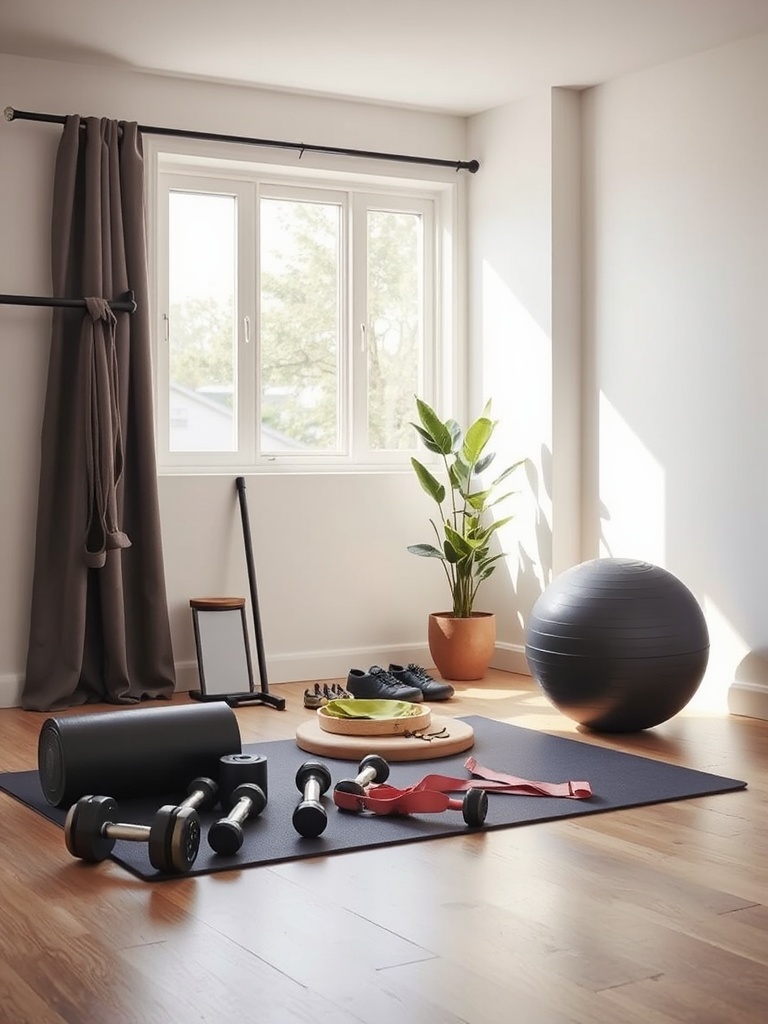
Ideal for beginners, focusing on essentials like resistance bands, yoga mats, and dumbbells to kickstart fitness.
Essential & Accessible
Jul 08
Did you know that having a well-planned budget can significantly enhance your home gym experience? Understanding where to allocate your funds can transform your fitness journey from overwhelming to empowering.
Understanding your budget is the first step in creating a home gym that aligns with your fitness goals and space. Here’s a breakdown of what you can expect in each tier. For more insights on optimizing your routine, check out our guide on essential warm-up routines for workouts.
Ideal for beginners, focusing on essentials like resistance bands, yoga mats, and dumbbells to kickstart fitness.
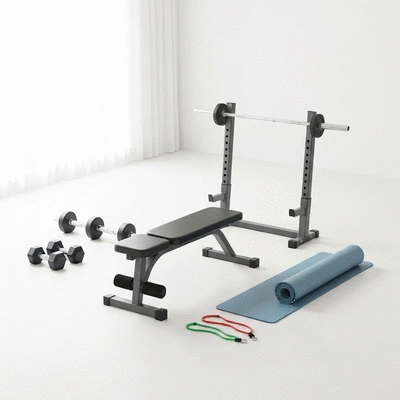
More comprehensive setup with adjustable dumbbells, a bench, and a cardio machine for enhanced workouts.
High-end equipment like power racks, multi-gym stations for a fully customized training environment.
Align your budget with fitness goals and available space. Start small, assess needs, and consider used equipment for value.
Creating a home gym is an exciting venture, but it all starts with understanding your budget. Your budget plays a crucial role in determining the type of equipment and space you'll need. At Fairfax Fitness, we believe that setting a budget doesn’t have to be overwhelming. In fact, it can be a straightforward process that helps clarify your fitness goals!
When planning your budget, consider breaking it down into three tiers: ultra-low-cost ($100–$500), mid-range ($500–$2,000), and premium ($2,000+). Each tier has its advantages and can cater to different fitness needs and preferences.
Let’s explore these budget tiers a bit more to understand what you can expect in each range:
By understanding these tiers, you can make informed decisions based on your current fitness level and future goals. Remember, it’s not about how much you spend but making sure your purchases align with your fitness aspirations! For more on maximizing your fitness, explore how resistance training can build stronger bones.
Before diving into equipment shopping, it’s essential to assess your fitness goals and available space. Ask yourself: What type of workouts do I plan to do? Do I want to focus on strength training, cardio, or a mix of both?
Additionally, consider your available space—it’s crucial to find a spot that not only fits your equipment but also allows for comfortable movement while exercising. Here are a few tips to help assess your situation:
Aligning your budget with these factors ensures you create a home gym that meets your needs and supports your fitness journey. Feel free to reach out to me at Fairfax Fitness if you need personalized help in this planning stage! Let’s get you started on the path to achieving your wellness goals!
When setting up your home gym, consider the versatility of your equipment. Investing in adjustable weights and multi-functional machines can maximize your workout options while saving space and money. This approach allows you to adapt your routine as your fitness level progresses, ensuring that your home gym remains a valuable resource on your fitness journey!
As we wrap up this guide on creating a functional home gym, it's essential to recap the key points we've covered. A well-planned home gym not only enhances your fitness journey but also aligns with your budget and space constraints. We've discussed the importance of careful space planning, gradually acquiring equipment, and the need for regular maintenance to ensure longevity.
By following these steps, you’ll be well on your way to creating a home gym that meets your needs without breaking the bank!
The three main budget tiers are Ultra-Low-Cost ($100–$500), Mid-Range ($500–$2,000), and Premium ($2,000+).
With an ultra-low-cost budget, you can get resistance bands, a yoga mat, and a set of dumbbells.
Before buying equipment, you should define your fitness goals (strength, cardio, flexibility), measure your available space, and consider your lifestyle to determine how often you'll realistically use the gym.
Yes, considering used equipment can be a great way to maximize your budget and get more value for your investment.
Fitness apps and online classes can provide structured routines, track your progress, offer guided sessions, and help you stay engaged through community challenges, enhancing motivation and consistency.
Now that you have a clear roadmap, it's time to take action! Begin by establishing a budget and a simple plan that outlines your goals and the space you have available. Remember, starting small is completely okay. You might feel overwhelmed at first, but I promise you, taking one step at a time can lead to significant changes.
I'd love to hear from you! Share your plans or any questions you have in the comments. Engaging with others on a similar journey can provide valuable insights and encouragement. Don’t hesitate to reach out—let’s support each other!
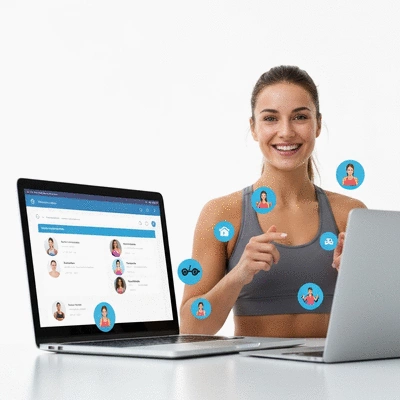
In this digital age, there are plenty of tools available to support your at-home workouts! Home fitness apps and online classes can be game-changers in keeping you motivated and on track. These resources offer structured routines that cater to various fitness levels and preferences.
Utilizing these platforms can help you maintain consistency and make your workouts feel more dynamic. Plus, many apps offer features that allow you to connect with friends or join community challenges, adding a fun social element! For more ways to enhance your fitness knowledge, consider learning about understanding macronutrients.
Connecting with a fitness community can be incredibly beneficial for your motivation and accountability. Whether it's through social media, local fitness groups, or online forums, engaging with others who share your interests can help keep your journey exciting and inspiring.
At Fairfax Fitness, I encourage you to reach out, share your experiences, and connect with others. Remember, you're not alone on this journey, and together we can achieve our fitness goals!
Here is a quick recap of the important points discussed in the article:
I'm Jordan H. Emerson, a dedicated health and fitness enthusiast passionate about empowering individuals on their wellness journeys. With a background in health sciences and years of personal training experience, I share actionable insights and trusted advice to help you achieve your health goals and build sustainable habits. My goal is to empower you with the knowledge and tools you need to foster lasting wellness and mental clarity.